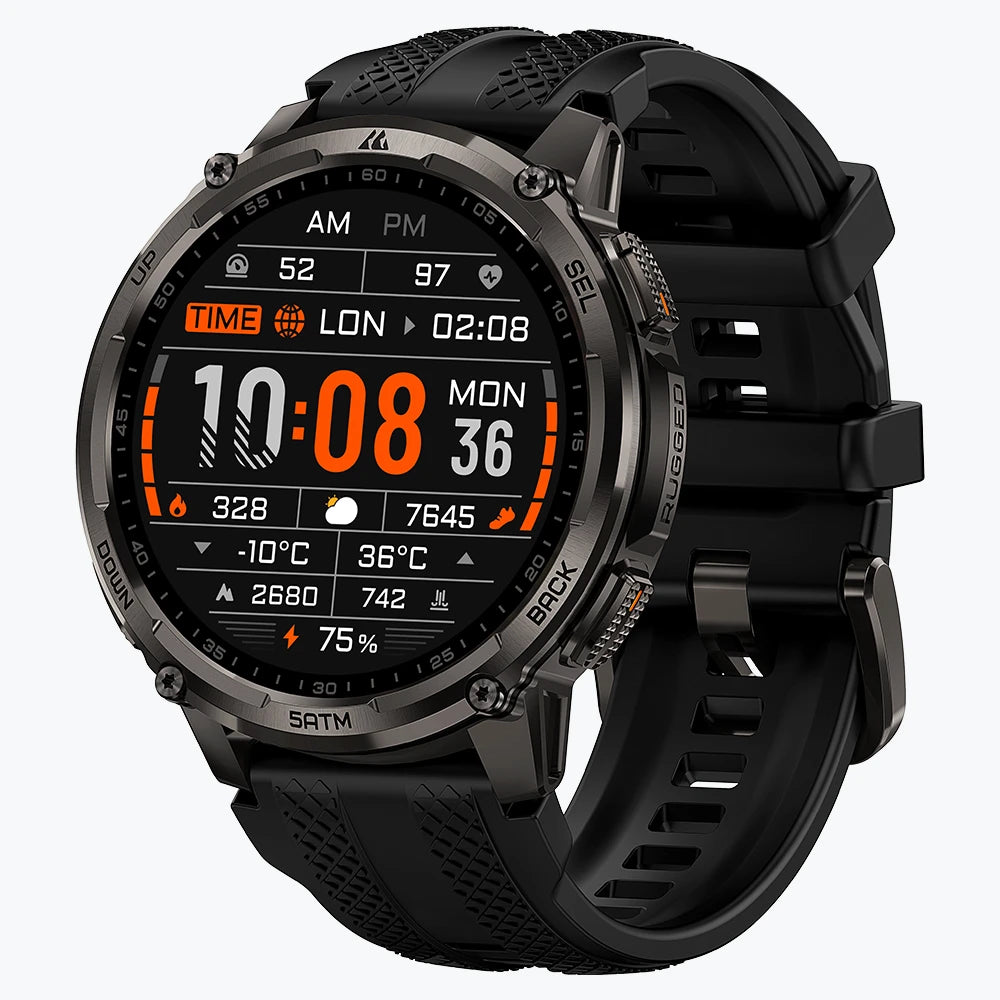
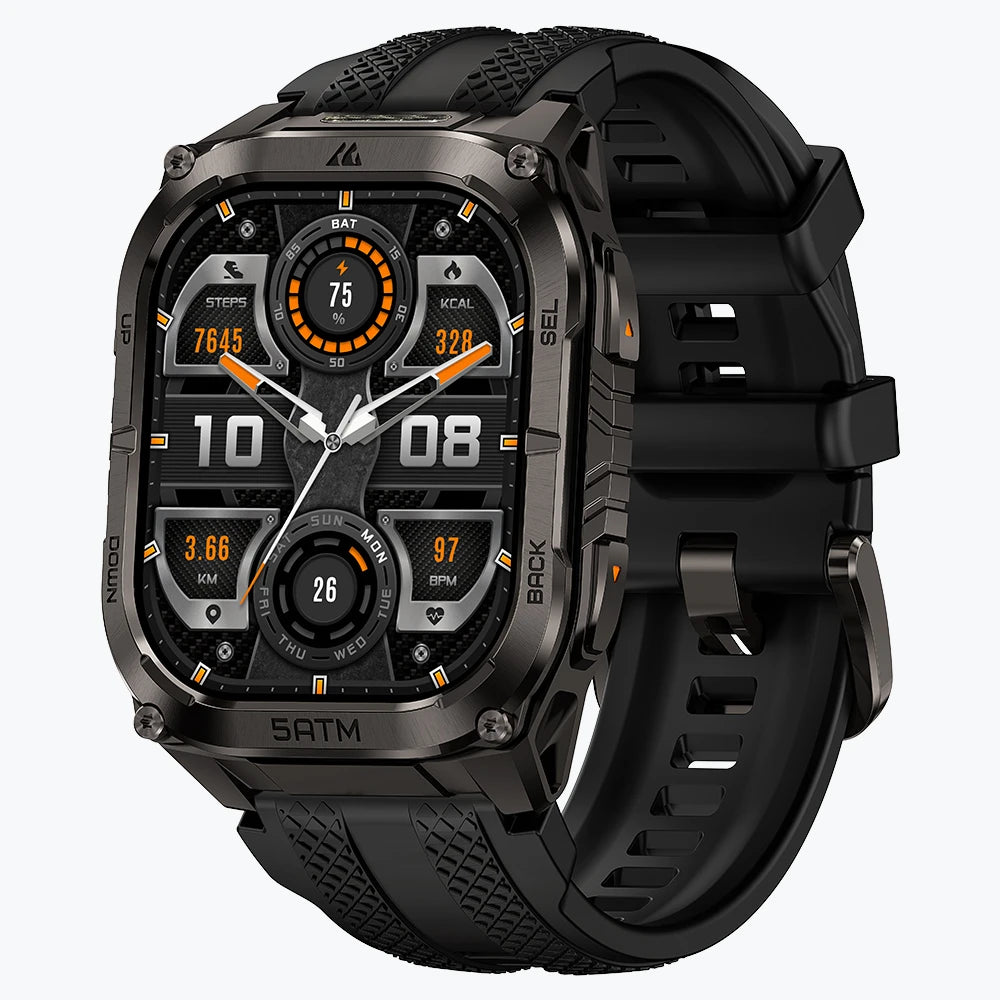
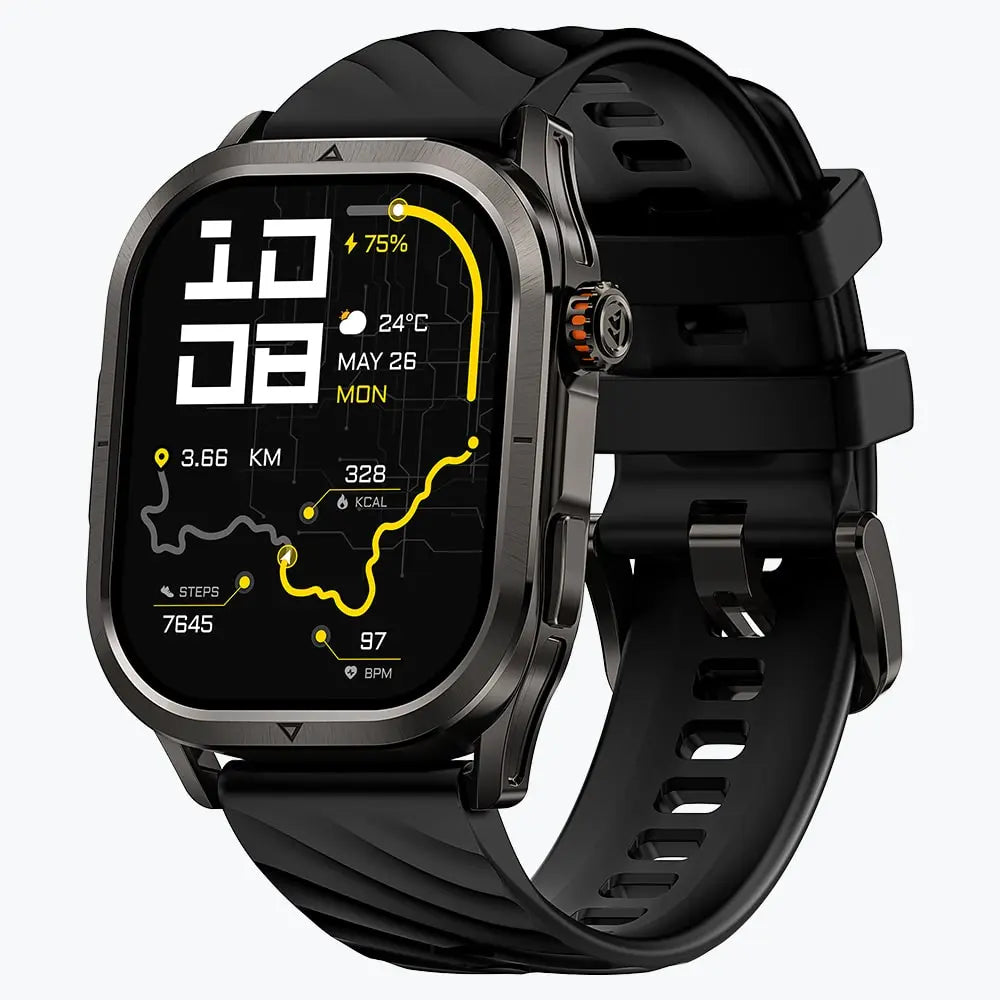


Users focused on preventing scratches should choose Sapphire Glass. Gorilla Glass offers a better balance of everyday durability, weight, features, and price.
For runners, hikers, gym users, and people who wear their smartwatch throughout the day, Gorilla Glass is usually the more practical choice. People regularly exposed to sand, stone, tools, or other abrasive materials may find the additional cost of Sapphire Glass worthwhile.
However, choosing a durable smartwatch involves more than comparing the cover glass. A protective bezel, reinforced case, and complete-watch testing can matter just as much as the screen material.
Quickly Understand:
- Choose Sapphire Glass: You plan to keep the smartwatch for years and want to minimize visible scratches.
- Choose Gorilla Glass: You need a smartwatch for exercise, outdoor activity, work, and everyday wear.
- Compare the complete watch: Your environment includes scratches, impacts, dust, water, and changing temperatures.

Sapphire vs Gorilla Glass: The Differences That Matter
| What to Compare | Sapphire Glass | Gorilla Glass |
|---|---|---|
| Scratch resistance | Exceptionally high | Strong, but generally lower than sapphire |
| Impact protection | Can still chip or crack under concentrated impacts | Chemically strengthened to balance impact and damage resistance |
| Outdoor visibility | Depends heavily on the anti-reflective coating | Depends on the version; DX and DX+ focus more on optical clarity |
| Weight and design | Denser and commonly used on premium smartwatches | Supports a wider range of lighter and thinner designs |
| Price | Usually increases the smartwatch price | Available across more price ranges |
| Best reason to choose it | Keeping the screen cleaner over years of wear | Balancing screen protection with comfort, features, and price |
According to the Gemological Institute of America, sapphire ranks 9 on the Mohs scale and has excellent toughness. However, this rating measures scratch resistance rather than the drop resistance of a finished smartwatch.
Sapphire Glass Pros and Cons
Pros
- Fewer cosmetic marks can make the watch look newer over several years of ownership.
- Less dependence on a replaceable screen protector simplifies long-term use.
- Premium watches may retain a cleaner appearance for resale or collection.
- Abrasive environments create a clearer reason to pay for the material upgrade.
Cons
- The higher purchase price may come from the entire premium watch configuration, not the screen alone.
- Repair or replacement can become costly once the display is damaged.
- Sapphire branding says nothing about the protection around the edge of the screen.
- A larger screen budget may mean compromising on GPS, maps, battery life, or water resistance.
Gorilla Glass Pros and Cons
Pros
- A wider range of smartwatch designs and price points gives buyers more choice.
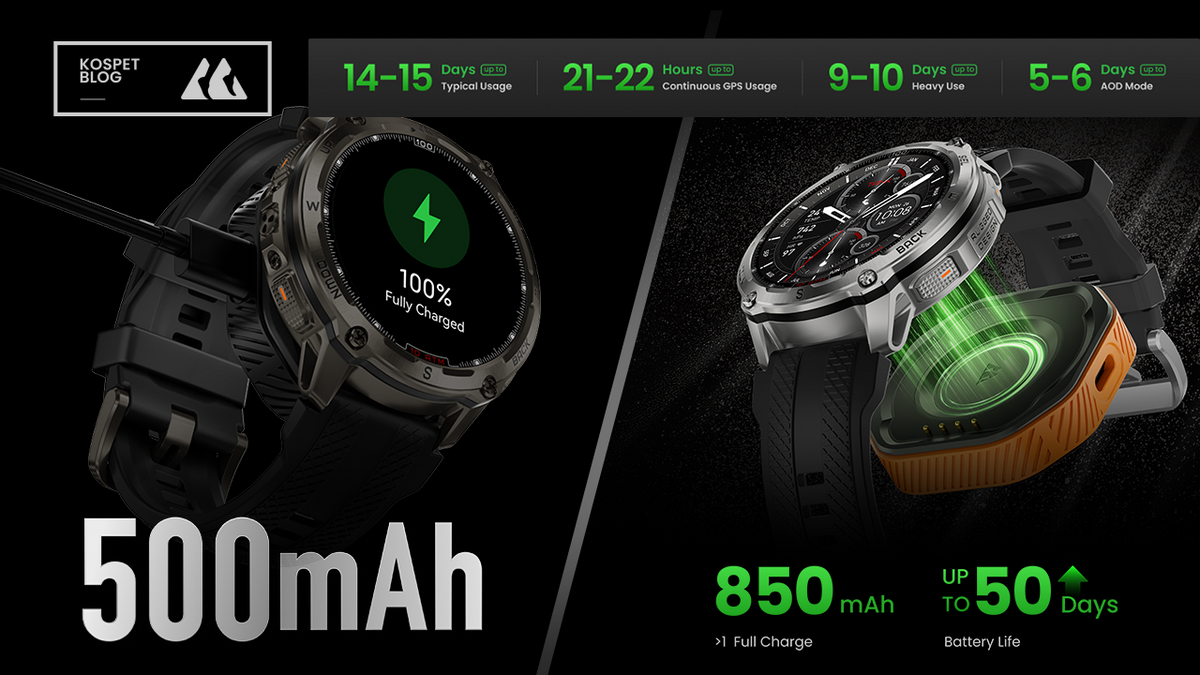
- The available budget can go toward navigation, battery life, sports tracking, and other practical features.
- Replaceable protective films provide an inexpensive response to cosmetic wear.
- One watch can cover exercise, work, outdoor use, and everyday wear without a large material premium.
Cons
- “Gorilla Glass” without a version number is an incomplete specification.
- Different generations prioritize damage resistance, optical clarity, or scratch performance differently.
- Regular exposure to sand, stone, and metal can still produce visible surface wear.
- Product pages sometimes use the Gorilla Glass name without supplying enough information for comparison.
Which Material Fits the Way You Use Your Smartwatch?
A Cleaner Screen After Years of Wear
Sapphire Glass makes the strongest case for buyers planning to keep the same smartwatch for several years. Its Mohs hardness of 9 provides a measurable advantage in environments where small abrasive particles frequently contact the screen.
The benefit is mainly cosmetic longevity. Sapphire does not remove the need to examine repair cost, screen position, bezel height, and case construction.
Running, Cycling, and Gym Use
Exercise creates a broader set of buying priorities: watch weight, display visibility, GPS performance, battery life, comfort, and resistance to accidental knocks.
Gorilla Glass is often the more balanced starting point for these activities. The lower material premium also allows manufacturers and buyers to prioritize features that affect every workout rather than concentrating the budget on maximum scratch resistance.
Rugged Work Raises a Different Question
Construction work, hiking, maintenance, and other demanding activities expose a smartwatch to more than one type of damage. Sand can scratch the display, tools can strike the case, and water or dust can affect the rest of the device.
In these conditions, compare how the entire smartwatch is built. A reinforced structure and protected screen edges may provide more useful protection than choosing Sapphire or Gorilla Glass in isolation.
Why the Gorilla Glass Version Matters
| Gorilla Glass Version | What It Adds | Best Fit |
|---|---|---|
| Gorilla Glass 3 | Native Damage Resistance designed to reduce visible damage and retain more strength after scratches | Everyday use, running, hiking, and rugged smartwatches |
| Gorilla Glass DX | Greater emphasis on optical clarity and reduced reflections | Sports watches frequently viewed outdoors |
| Gorilla Glass DX+ | Optical clarity with stronger scratch resistance within the DX range | Premium wearables where visibility and surface protection both matter |
Corning’s laboratory testing found that Gorilla Glass 3 provided up to four times the scratch resistance of competing aluminosilicate glasses. This comparison was not conducted against sapphire.
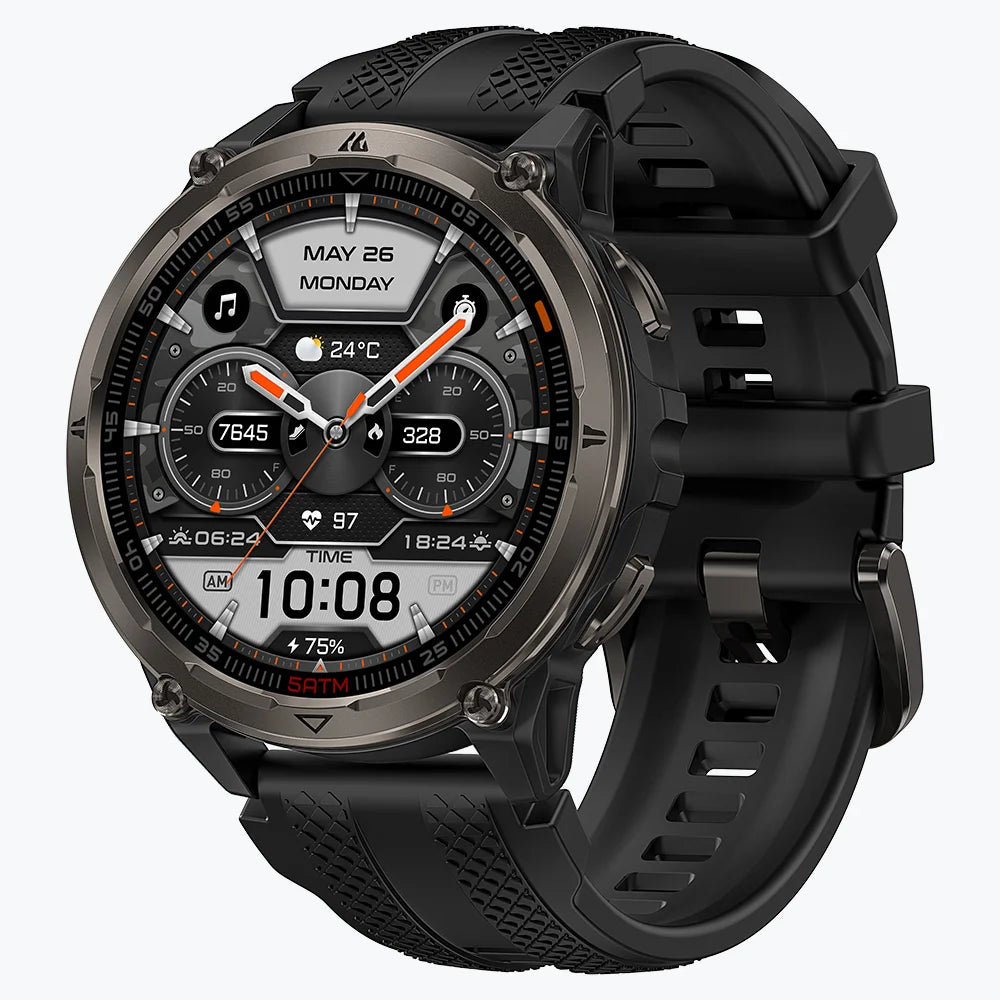
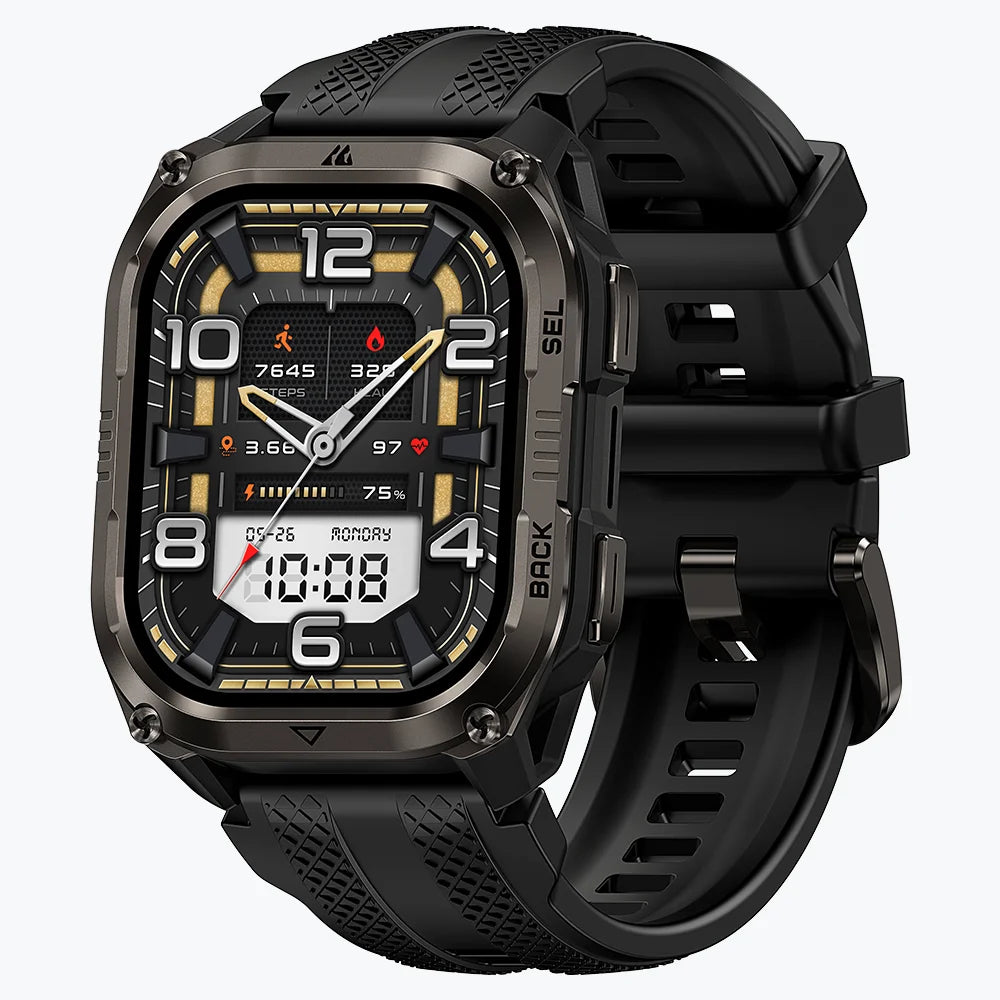
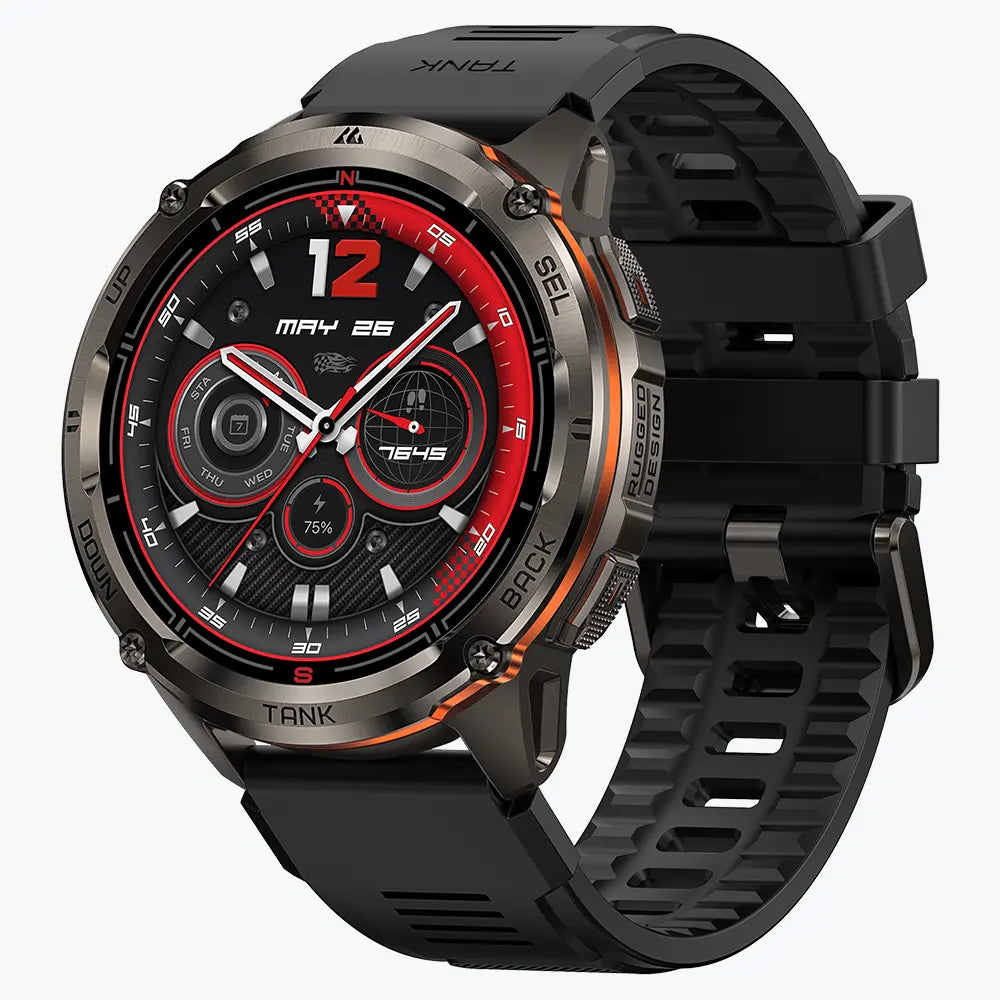
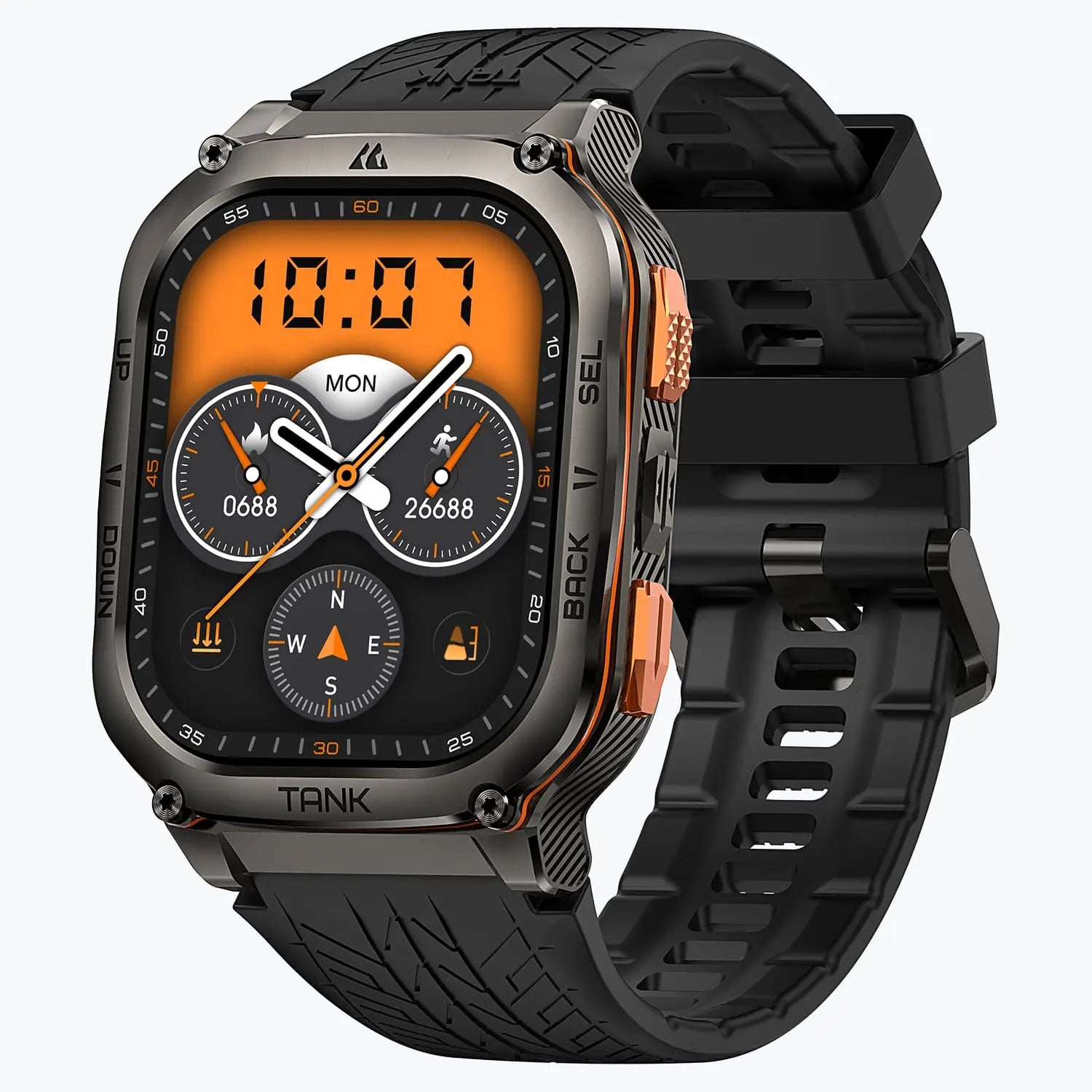
Why KOSPET TANK M4 Uses Gorilla Glass 3
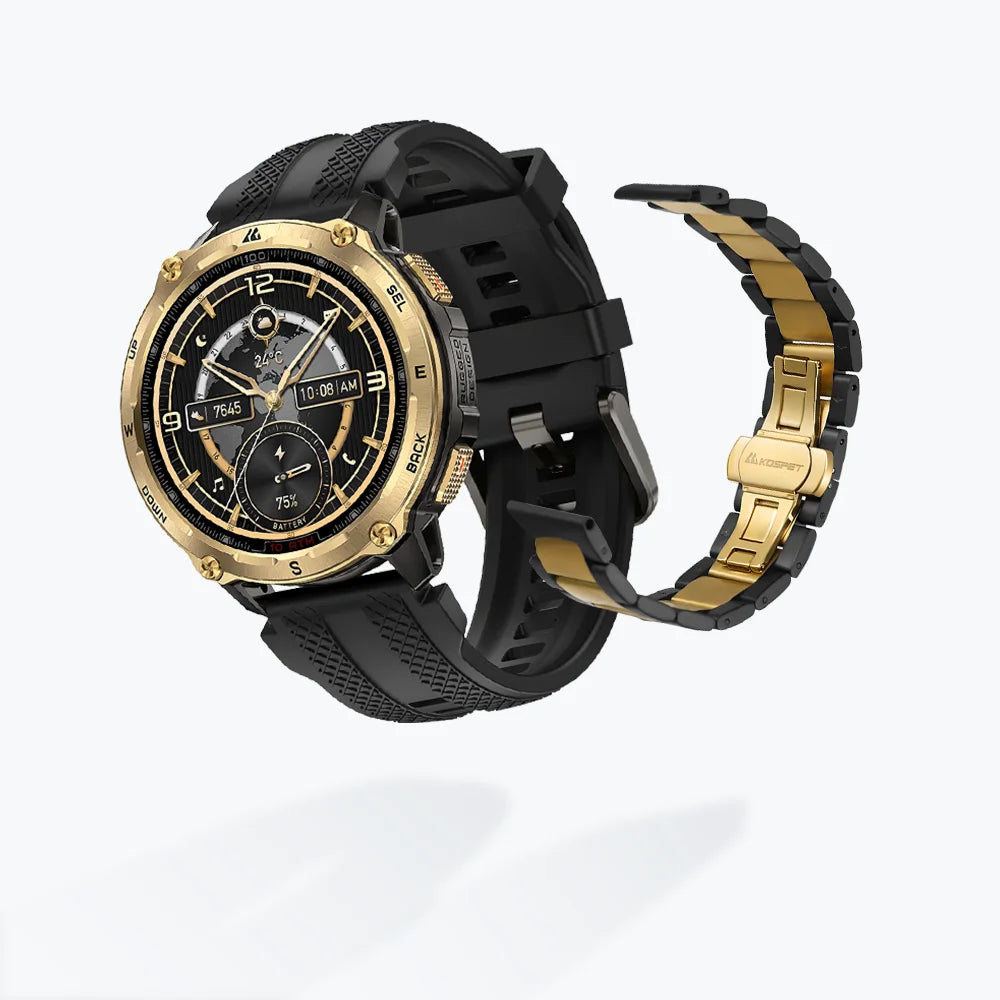
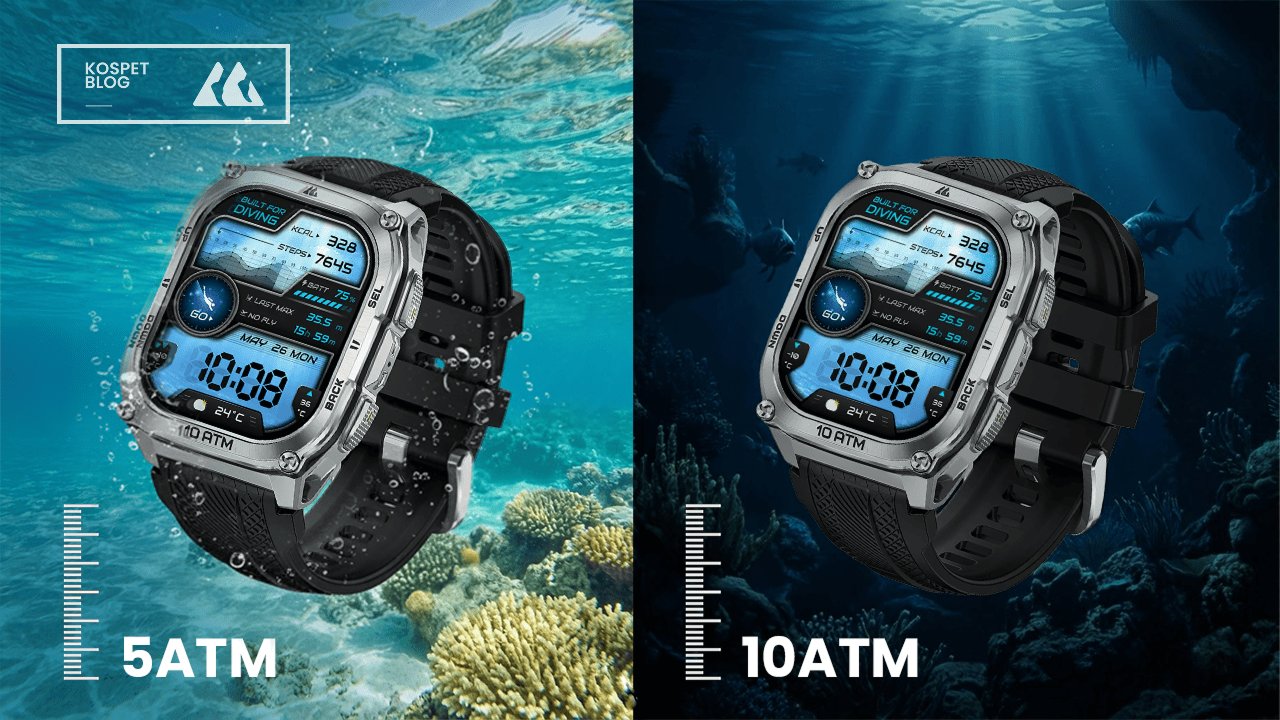
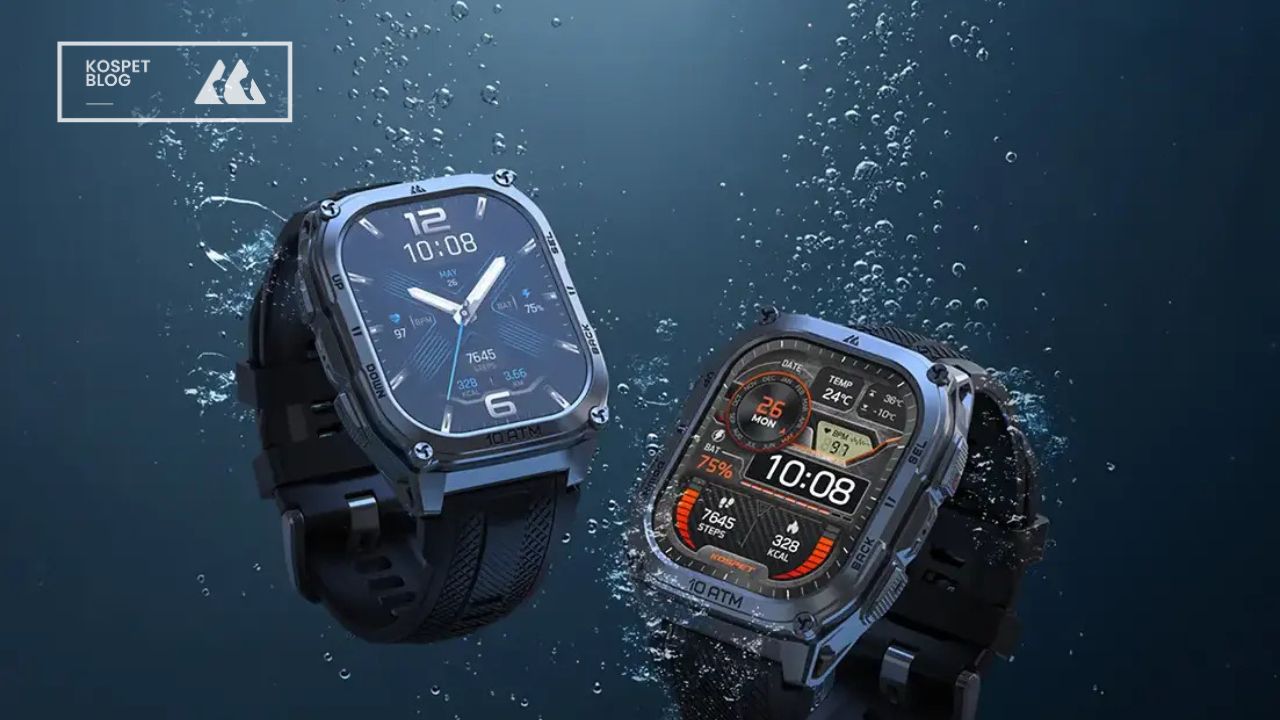
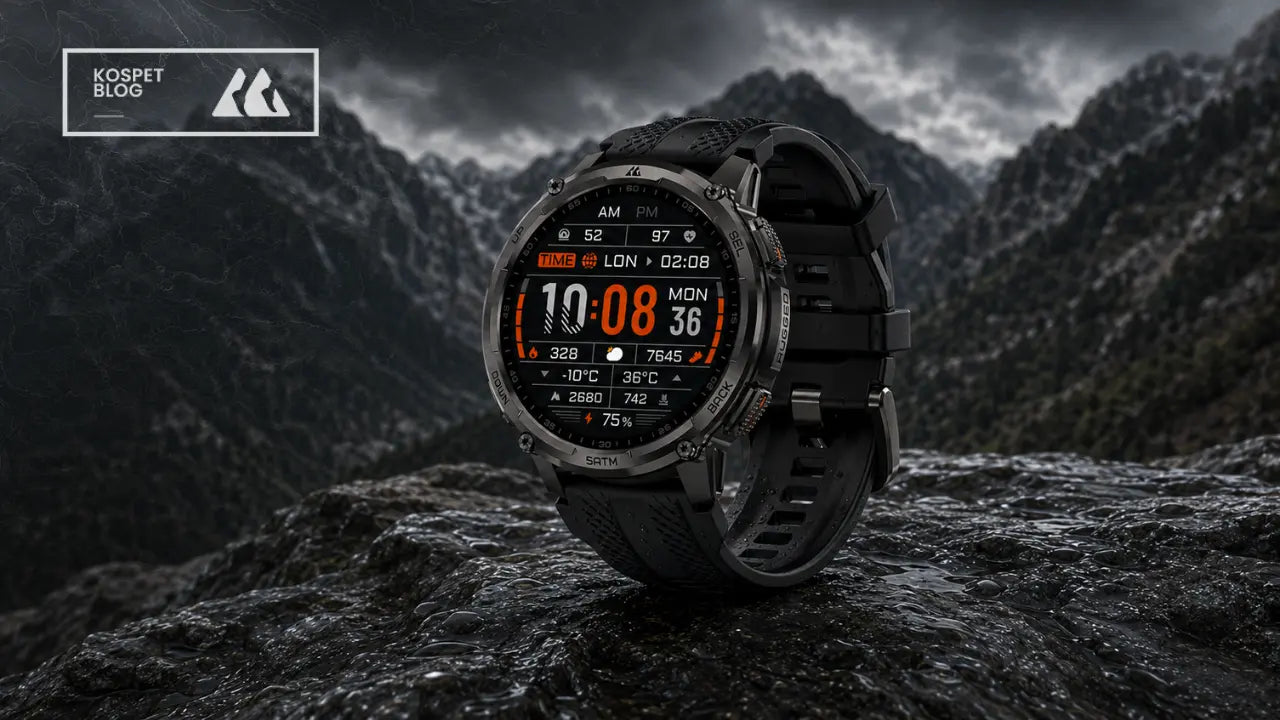
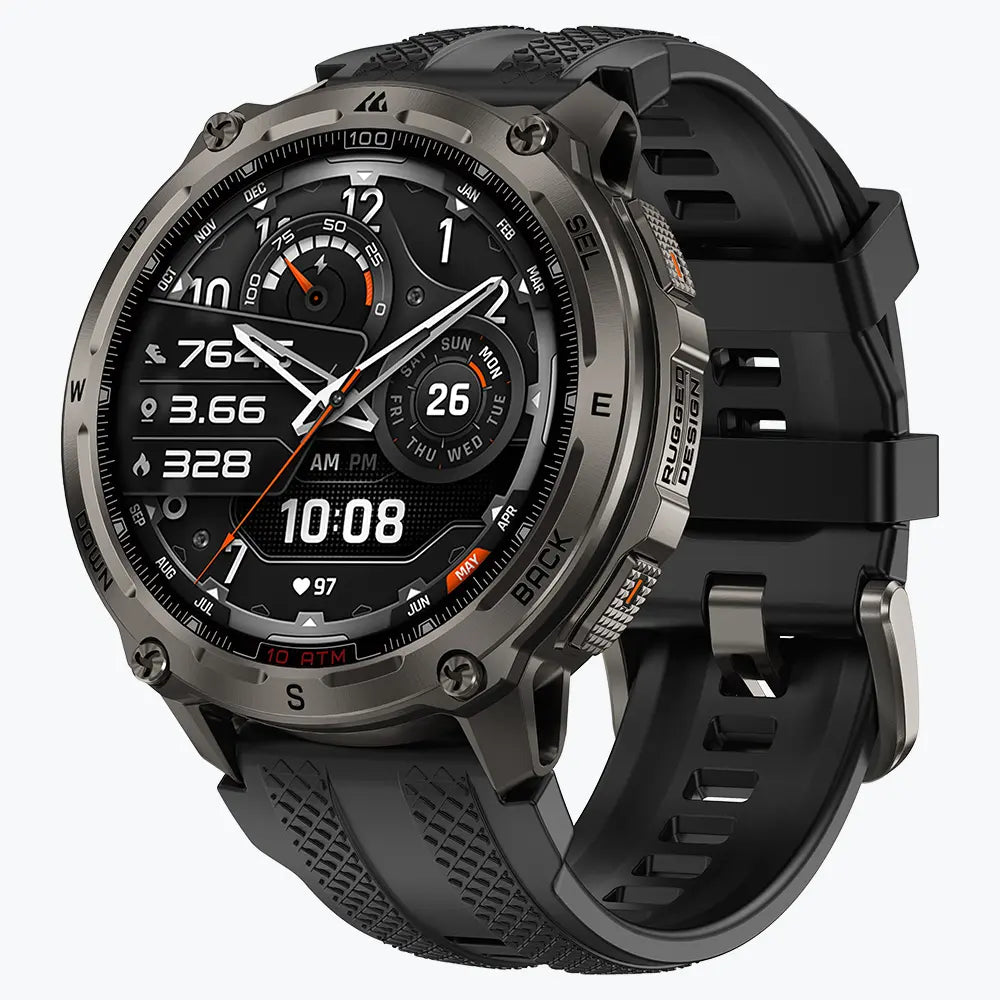
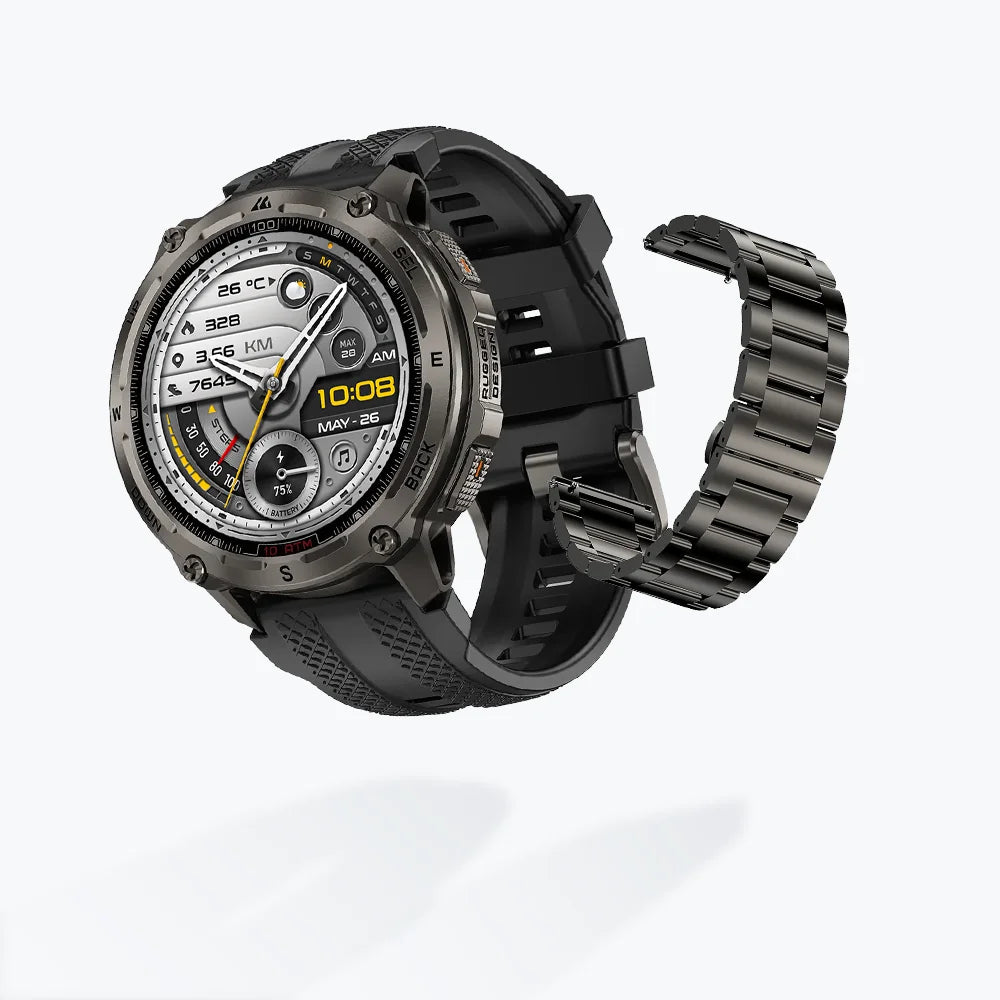
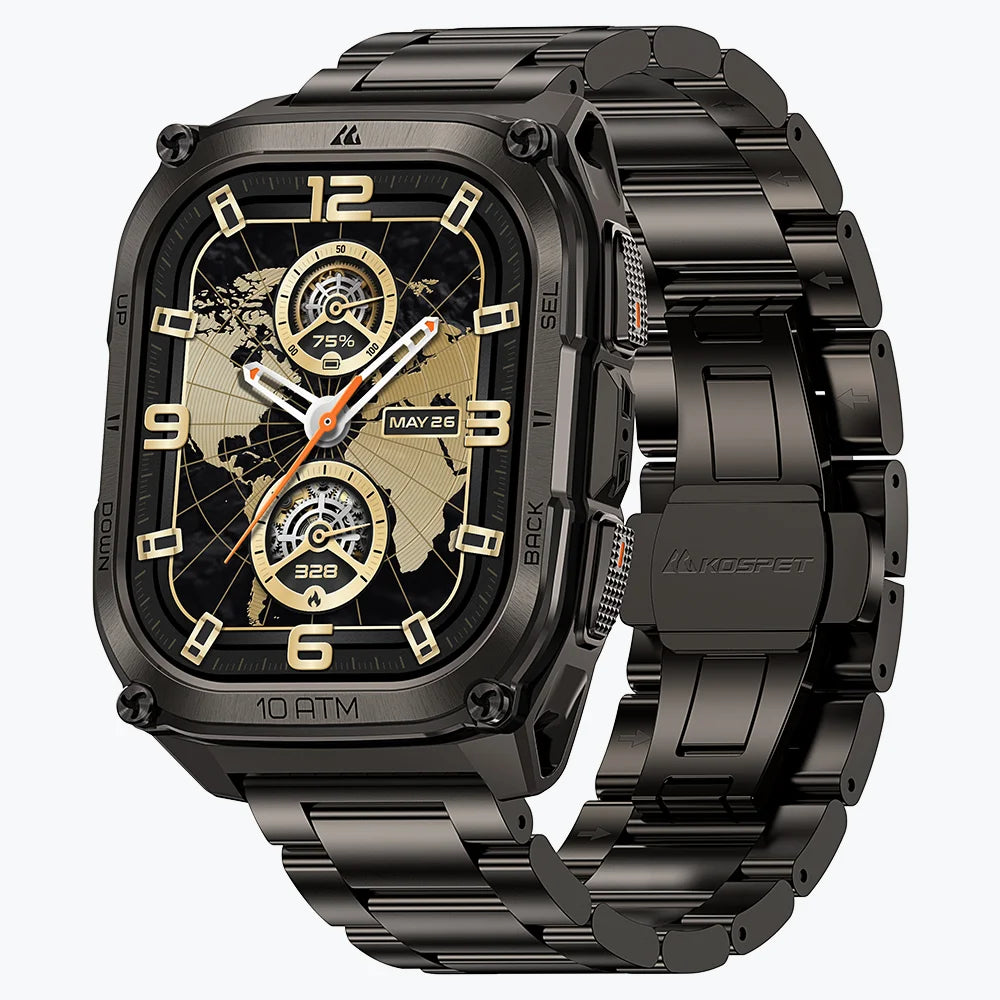
The KOSPET TANK M4 is designed for active outdoor use, where a smartwatch may face repeated movement, bumps, dust, rain, and changing temperatures. For this type of use, Gorilla Glass 3 provides a practical balance between screen protection and the wider features expected from an outdoor smartwatch.
KOSPET does not rely on the glass alone. The display is supported by an Inox 360 stainless-steel shield structure, extending protection beyond the screen surface.
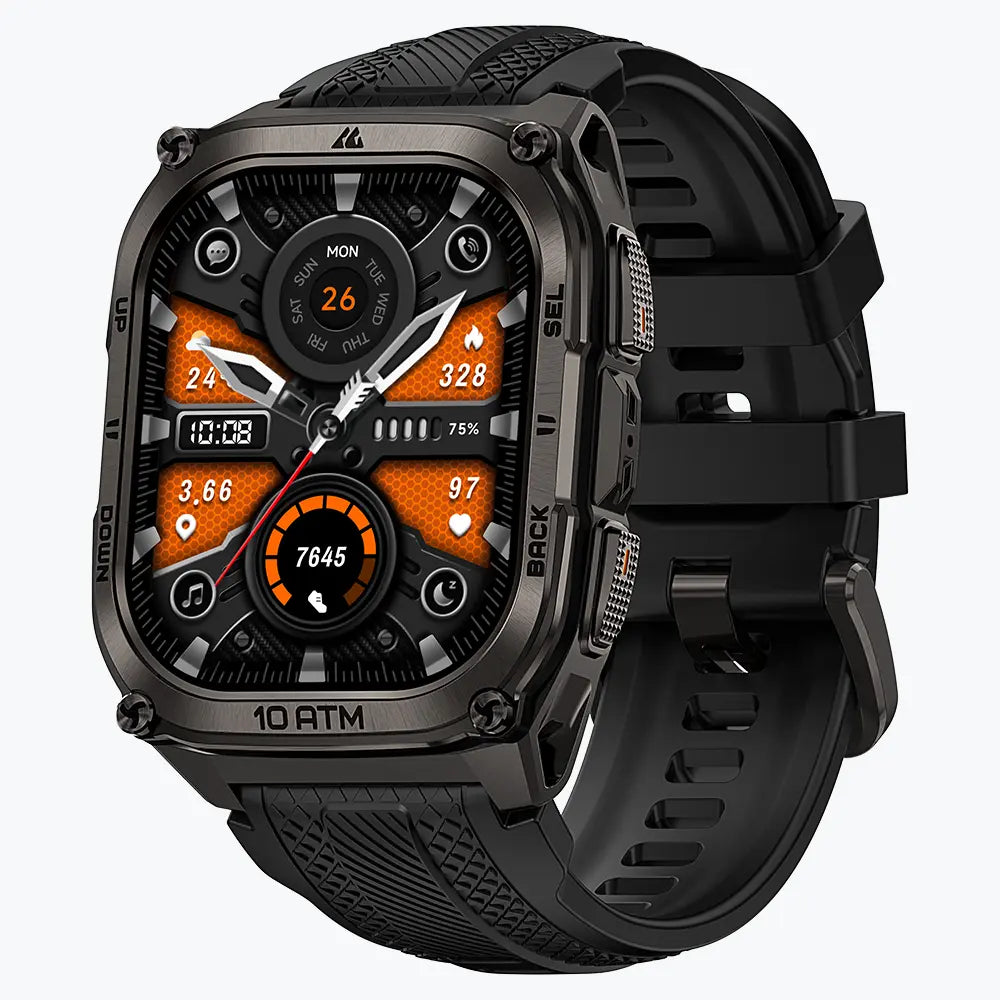
KOSPET TANK M4 Smartwatch
$209.99 USD
This combination matters in three ways:
- Screen protection: Gorilla Glass 3 helps resist the deep scratches that can weaken glass over time.
- Structural protection: The stainless-steel construction supports the display and protects the rest of the smartwatch during active use.
- Complete-watch durability: The TANK M4 has undergone 20 MIL-STD-810H test procedures covering conditions such as shock, dust, humidity, and extreme temperatures.
The 1.96-inch AMOLED display also reaches up to 1,000 nits and includes an ambient light sensor, helping maps, routes, and workout data remain readable under changing outdoor light.
Recommended for:
- Runners and hikers who want a durable smartwatch with offline maps
- Outdoor users regularly exposed to rain, dust, and repeated movement
- Buyers who value complete-watch protection rather than focusing on one premium material
If maximum scratch resistance is your only priority, a Sapphire Glass smartwatch may suit you better. If you want screen protection supported by a rugged structure, outdoor visibility, navigation, and broader durability testing, the TANK M4 offers a more complete package.
FAQs
Is Sapphire Glass completely scratch-proof?
No. Sapphire is highly scratch-resistant, but materials with similar or greater hardness can still mark it. Surface coatings may also show damage even when the sapphire underneath remains intact.
Is Gorilla Glass 3 the same as Gorilla Glass DX?
No. Gorilla Glass 3 focuses on damage resistance and retained strength. DX and DX+ place additional emphasis on optical clarity, reduced reflections, and scratch resistance for wearable displays.
Should I use a screen protector on Gorilla Glass?
A screen protector is useful if the smartwatch is regularly exposed to sand, tools, stone, or other abrasive materials. It provides a replaceable surface layer, although it does not make the smartwatch immune to strong impacts.