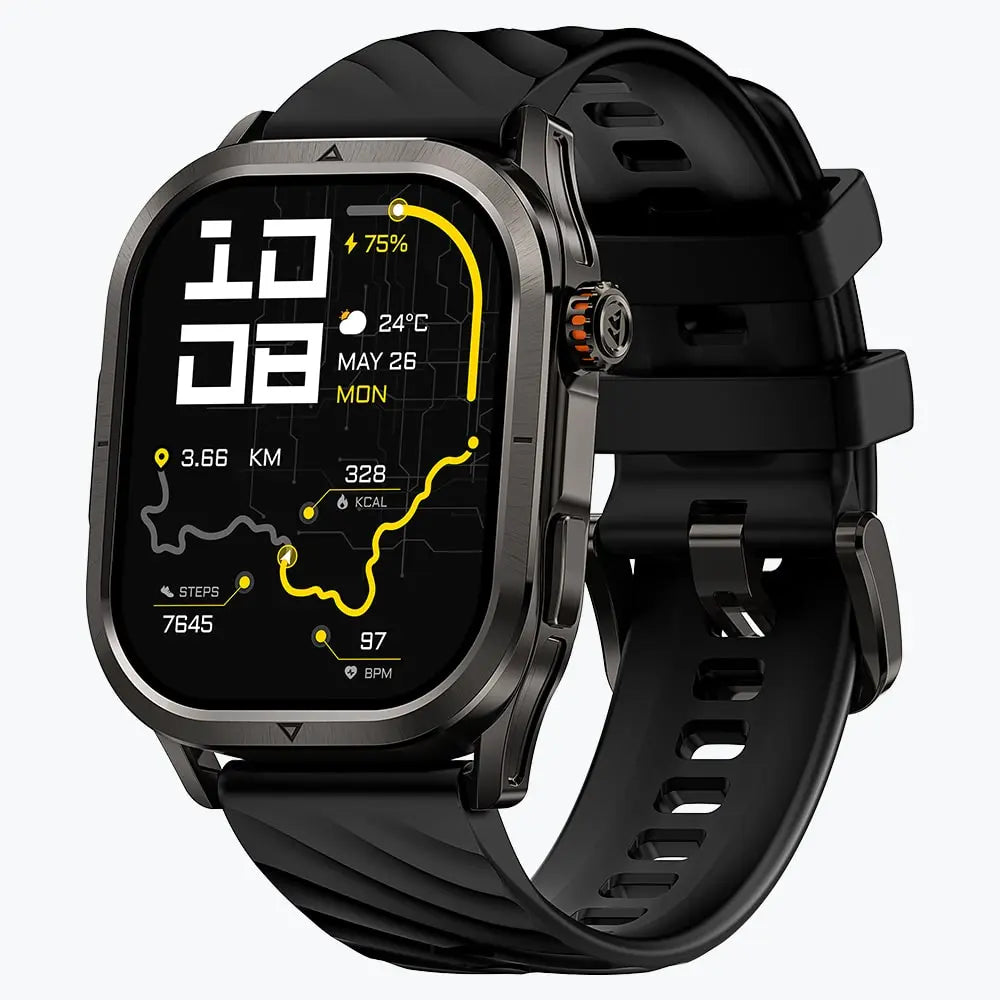


Smartwatch batteries drain quickly because a small battery must power the display, health sensors, GPS, wireless connections, notifications and background processing. Battery use increases further when several of these features operate at the same time.
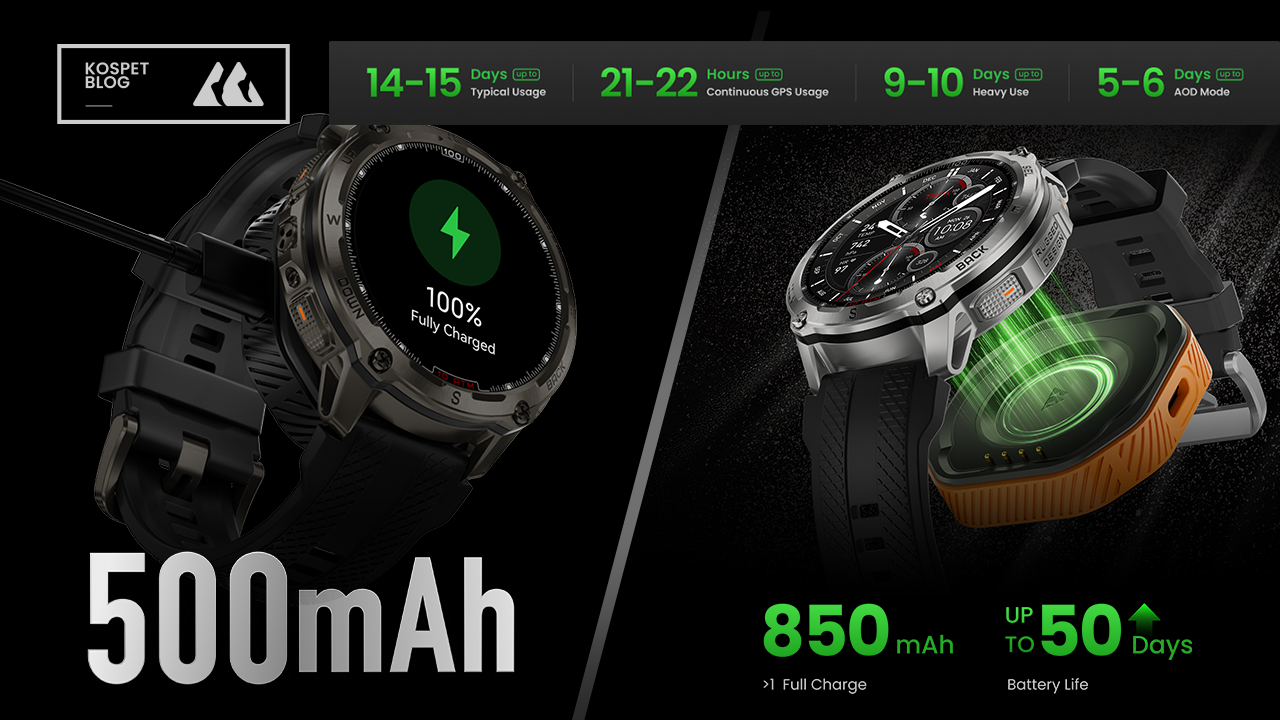
The KOSPET smartwatch that lasts longer depends on how it is used. The TANK T3 ULTRA 2 has the longest published continuous-GPS runtime among the three models compared below, while the TANK T4 and TANK M4 provide longer published figures for heavy use and Always-On Display. Their typical-use endurance is broadly comparable.

Why Do Smartwatch Batteries Drain Quickly?
Smartwatch battery life is affected by both active features and operating conditions. The following functions are among the most common sources of power consumption:
- Always-On Display: The screen continues using power even when the watch is not being actively viewed.
- GPS and navigation: Continuous location tracking requires frequent satellite communication and data processing.
- Mobile and wireless connections: Cellular, Wi-Fi and Bluetooth connections consume more power when coverage is weak or devices repeatedly reconnect.
- Health monitoring: Automatic heart-rate, blood oxygen and other measurements activate sensors throughout the day.
- Notifications: Frequent alerts wake the screen, activate vibration and increase background activity.
- Third-party apps: Apps that refresh, synchronize or access location in the background may increase idle battery drain.
- Temperature: Operating a watch outside its specified temperature range can affect battery performance.
Apple’s battery information explains that runtime depends on battery capacity, usage and configuration. Its published battery tests also identify cellular coverage, network conditions and signal strength as relevant factors.
Short runtime alone does not prove that the battery is defective. A sudden decline under the same routine is a stronger indication that an app, setting, software change or ageing battery requires attention.
How to Find the Source of Battery Drain
Review what the watch was doing during the period with the largest battery drop. The pattern can help narrow down the likely cause.
| Battery pattern | Possible causes | Action |
|---|---|---|
| The display remains active for long periods | Always-On Display, high brightness or a long screen timeout | Disable AOD when it is not needed, reduce brightness and shorten the screen timeout |
| A large drop occurs during an outdoor workout | Continuous GPS, route navigation or on-watch audio | Compare the result with the published continuous-GPS figure and turn off unused navigation or audio features |
| The battery decreases quickly while the watch is idle | Background apps, automatic health measurements or repeated network connections | Review recently installed apps and reduce optional measurements or connections |
| Small drops occur frequently throughout the day | Notifications repeatedly activating the screen and vibration | Keep essential alerts and disable low-priority notifications |
| Runtime changes after an update or settings adjustment | New software, changed permissions, recently enabled features or operating temperature | Install available updates, restart the watch and review recent changes |
Change one setting at a time and compare battery use over a similar day or workout. This makes it easier to identify which adjustment produced the improvement. Required health and safety features can remain active during testing.
If the watch continues to lose power unusually quickly under the same workload, contact KOSPET Support. Include the model, firmware version, recent battery history and a description of when the drain occurs.
Compare the Right Battery-Life Mode
Battery figures marked “up to” are measured under defined test conditions. Actual results vary with settings, feature use, network conditions and operating temperature.
| Battery mode | What it measures | When it matters |
|---|---|---|
| Typical use | Runtime under the manufacturer’s standard daily-use test | Routine wear with a mixture of notifications, health tracking and workouts |
| Heavy use | Runtime under a more intensive manufacturer-defined scenario | Frequent workouts, health measurements, notifications and screen use |
| AOD mode | Runtime with Always-On Display enabled | Users who want the watch face to remain visible throughout the day |
| Continuous GPS | Uninterrupted GPS tracking during outdoor activity | Long hikes, runs, rides and other route-recording activities |
These figures are not interchangeable. For example, 15 days of typical use does not mean that the watch can record GPS continuously for 15 days. Compare the mode that most closely matches the feature you use for the longest period.
Which KOSPET Smartwatch Lasts Longer?
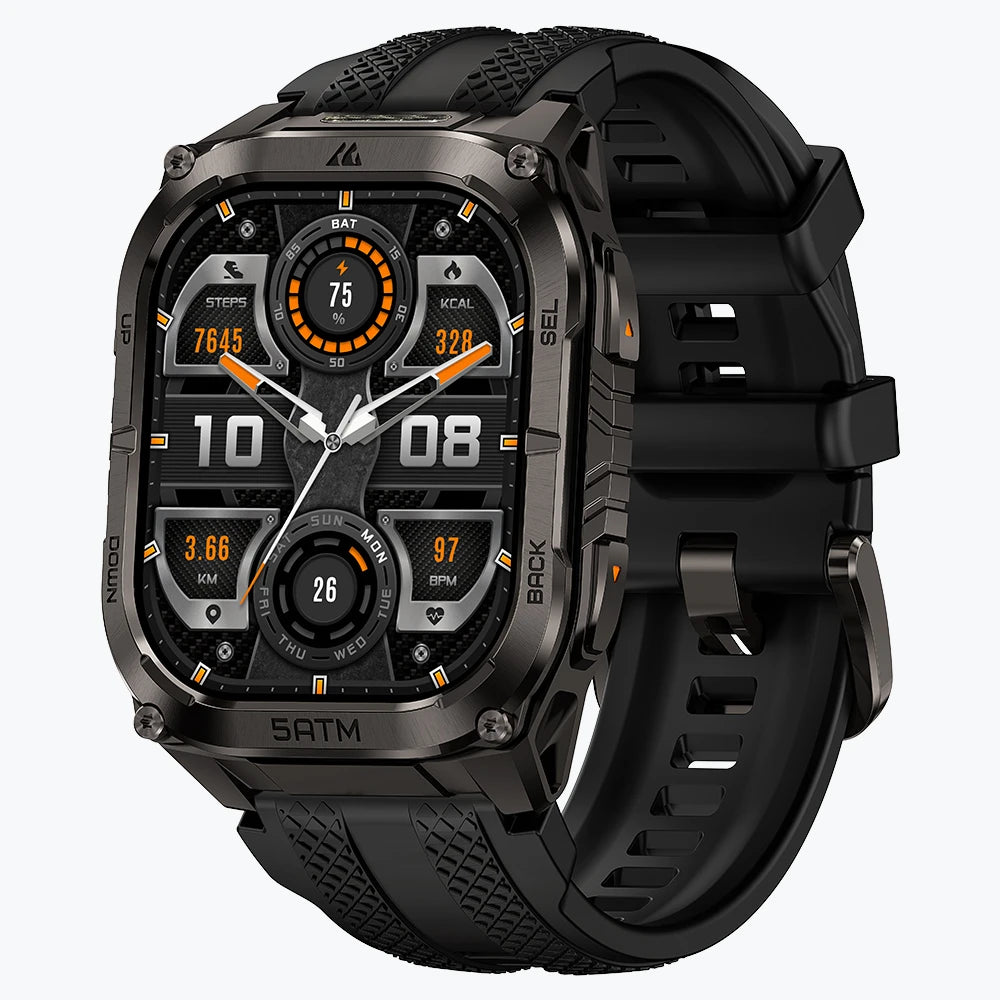
No single model leads in every battery mode. Based on the published figures from the linked KOSPET product pages:
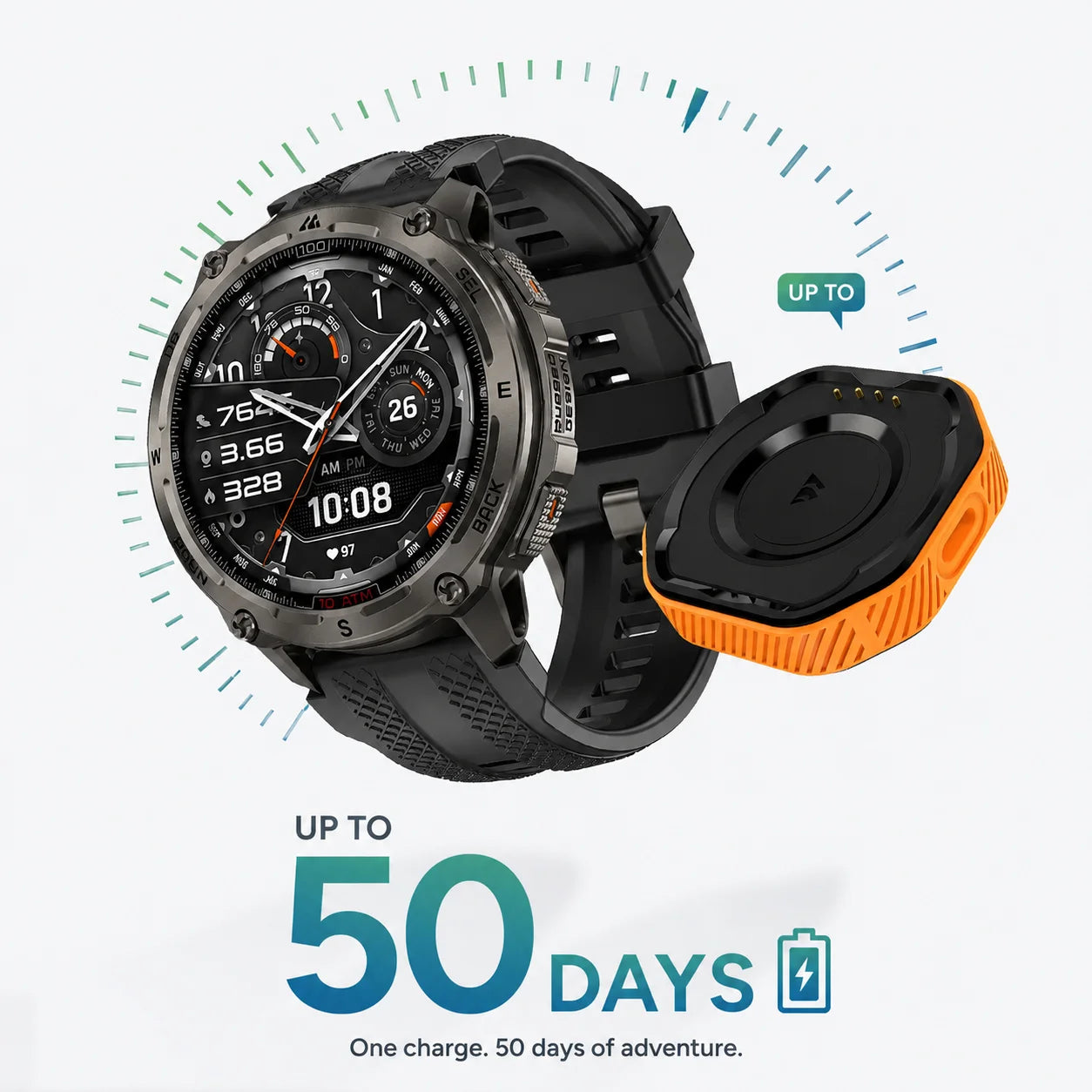
- For continuous GPS: The TANK T3 ULTRA 2 lasts longer, with up to 35 hours.
- For heavy use: The TANK T4 and TANK M4 last longer, with up to 9–10 days.
- For Always-On Display: The TANK T4 and TANK M4 have the higher published range of up to 5–6 days.
- For typical use: All three models reach a published maximum of approximately 15 days.
| Model | Typical use | Heavy use | AOD mode | Continuous GPS |
|---|---|---|---|---|
| KOSPET TANK T4 | 14–15 days | 9–10 days | 5–6 days | 21–22 hours |
| KOSPET TANK M4 | 14–15 days | 9–10 days | 5–6 days | 21–22 hours |
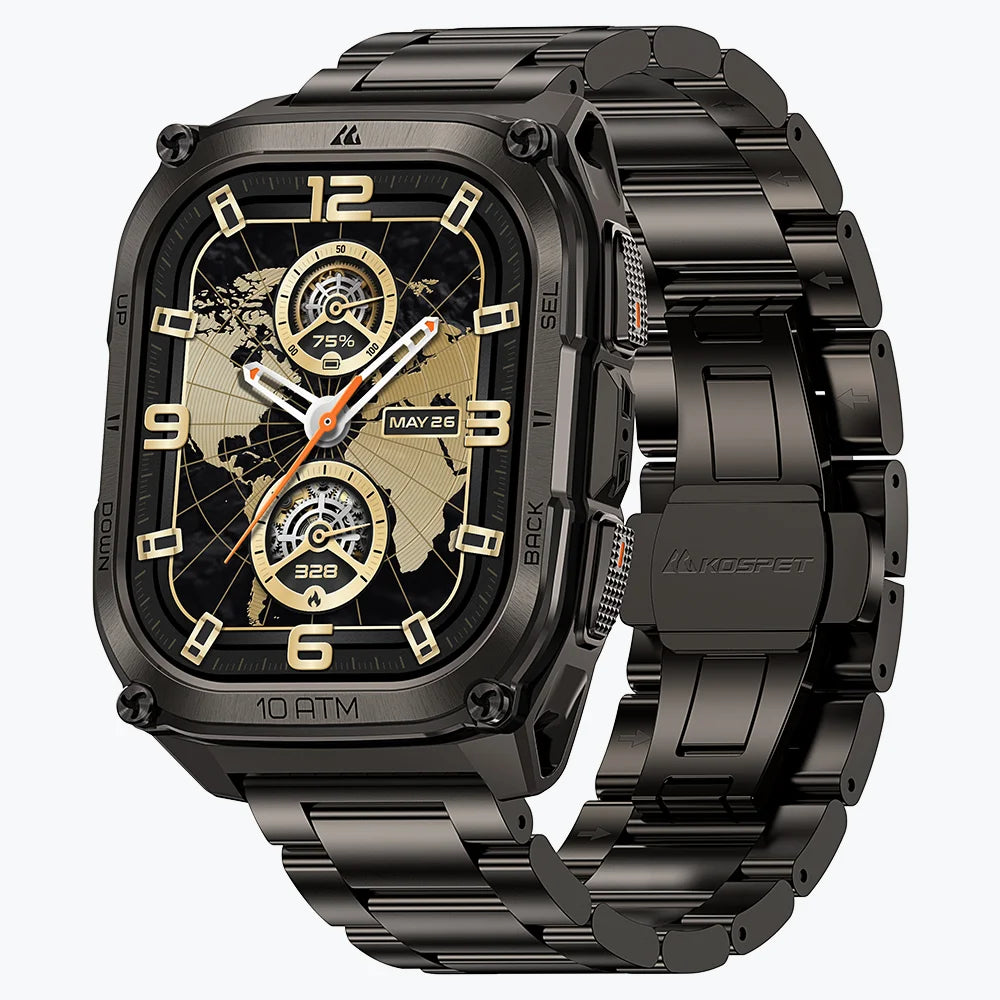
| KOSPET TANK T3 ULTRA 2 | 15 days | 8 days | 5 days | 35 hours |
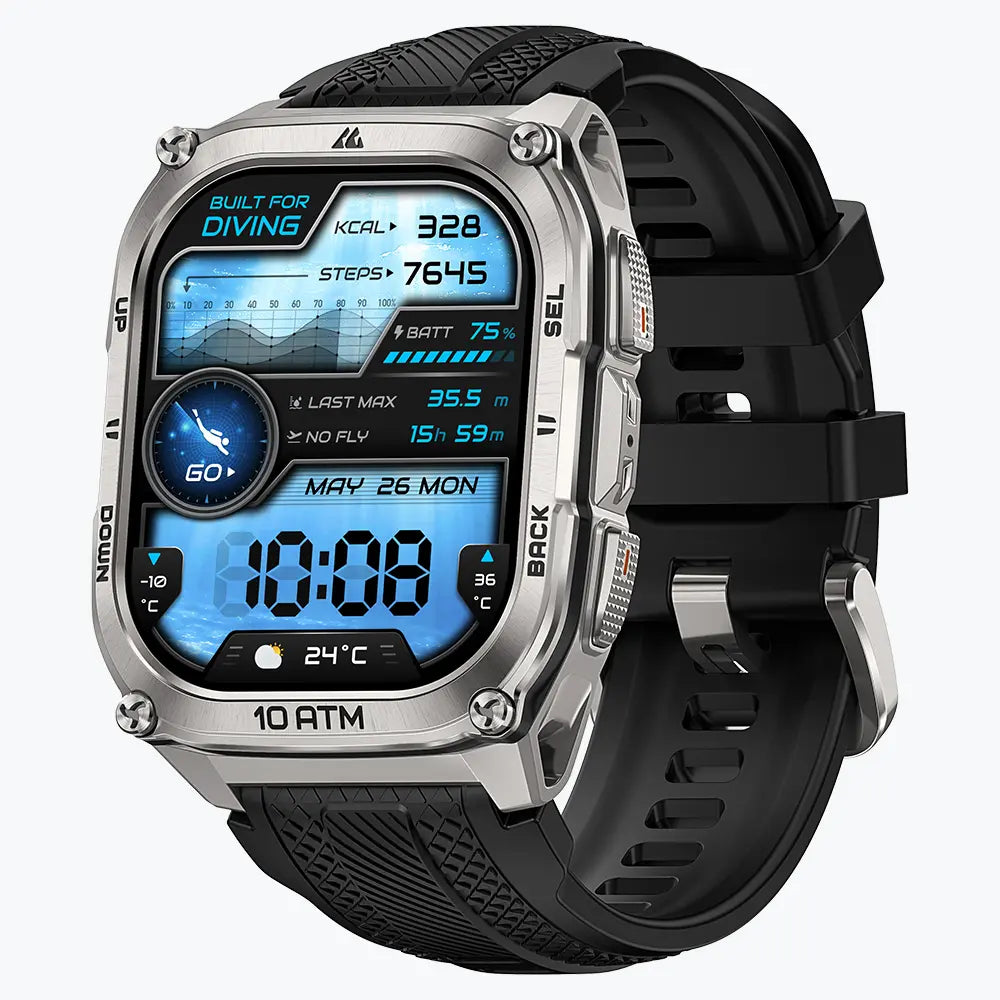
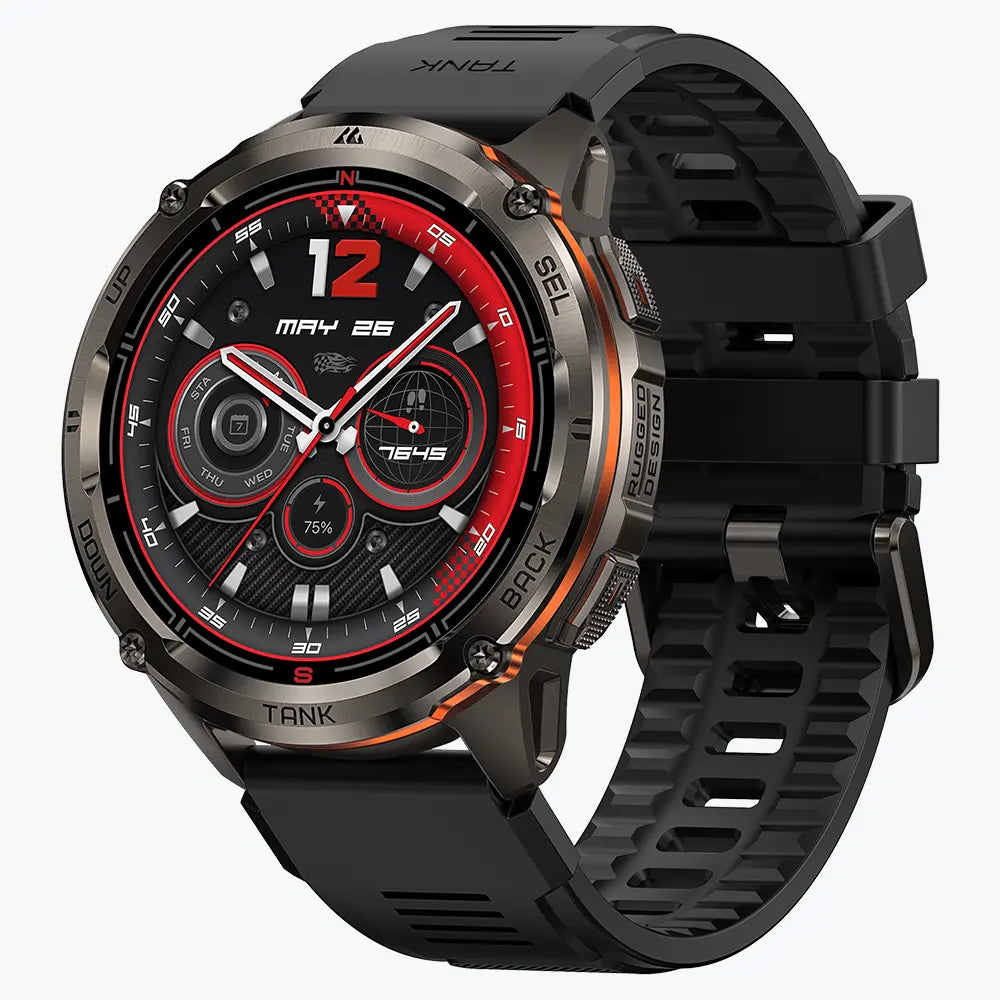
KOSPET TANK T4
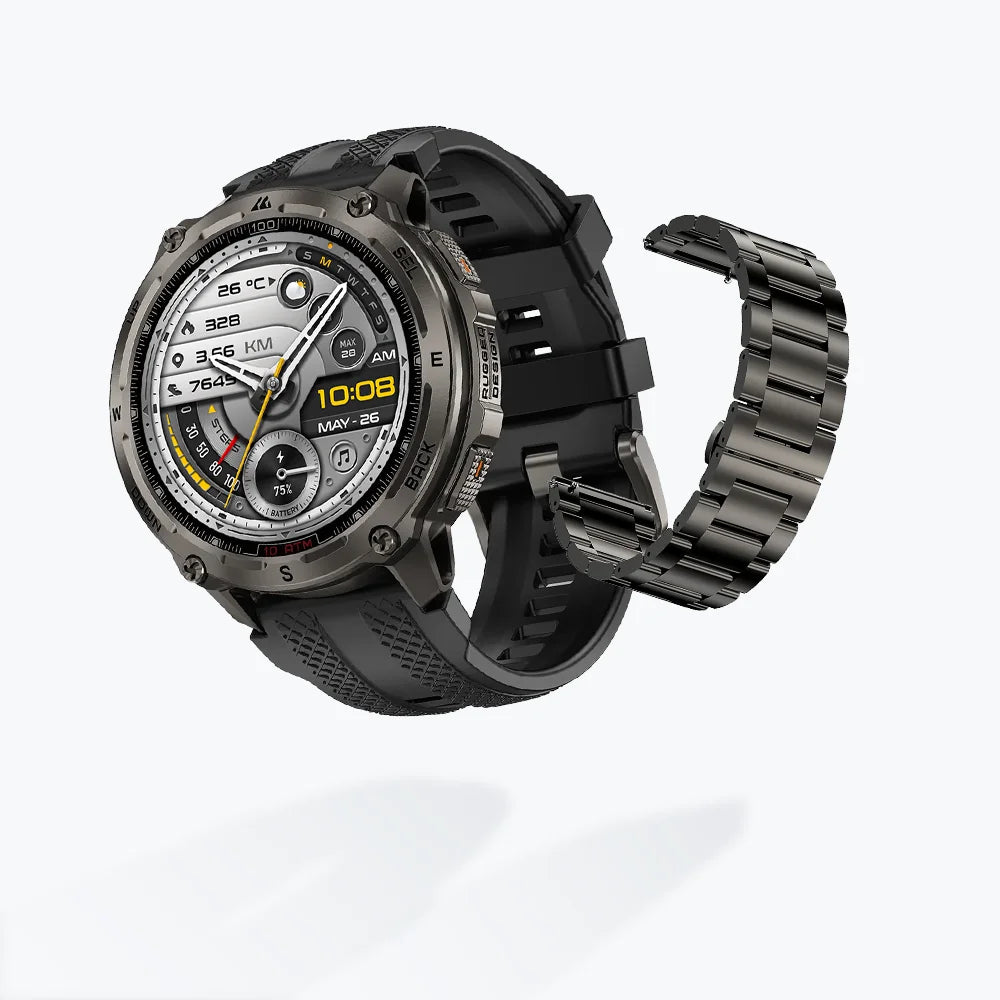
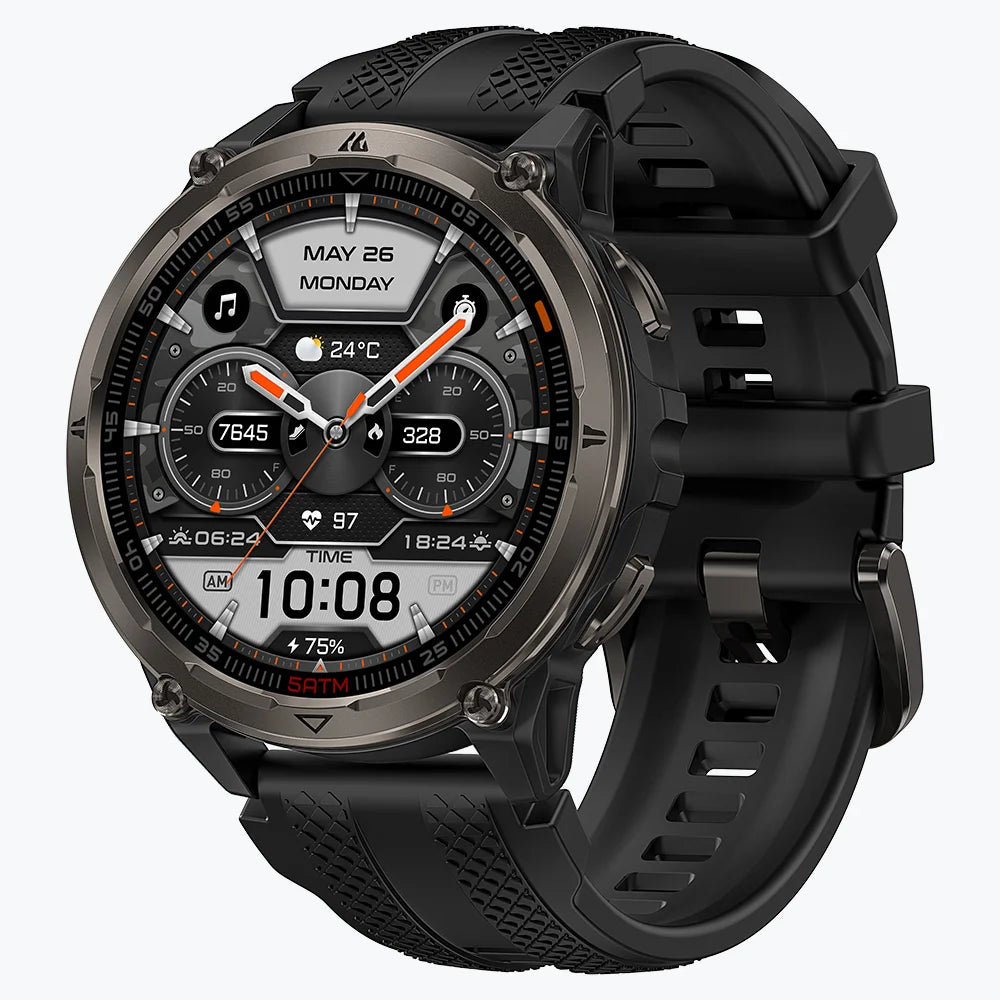
The TANK T4 combines multi-day battery life with offline maps and outdoor navigation. It is suited to users who want navigation features together with longer heavy-use and AOD endurance.
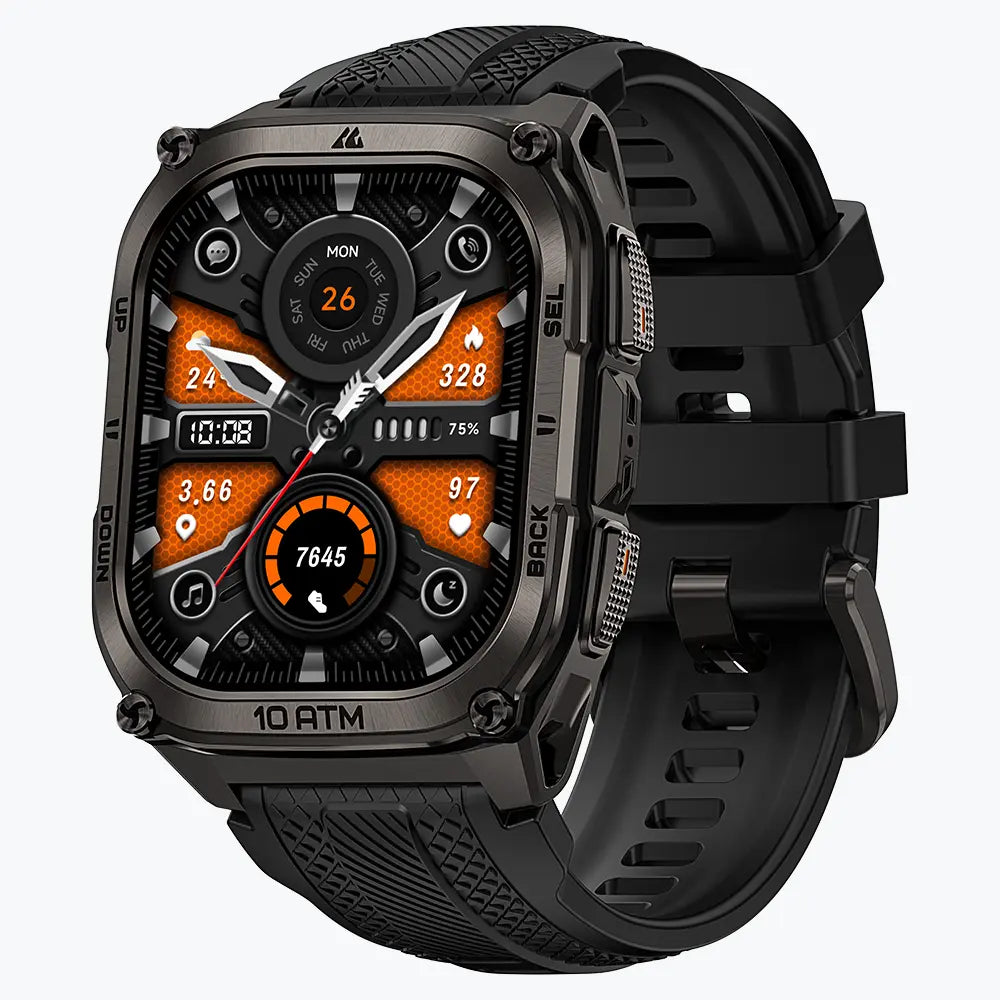
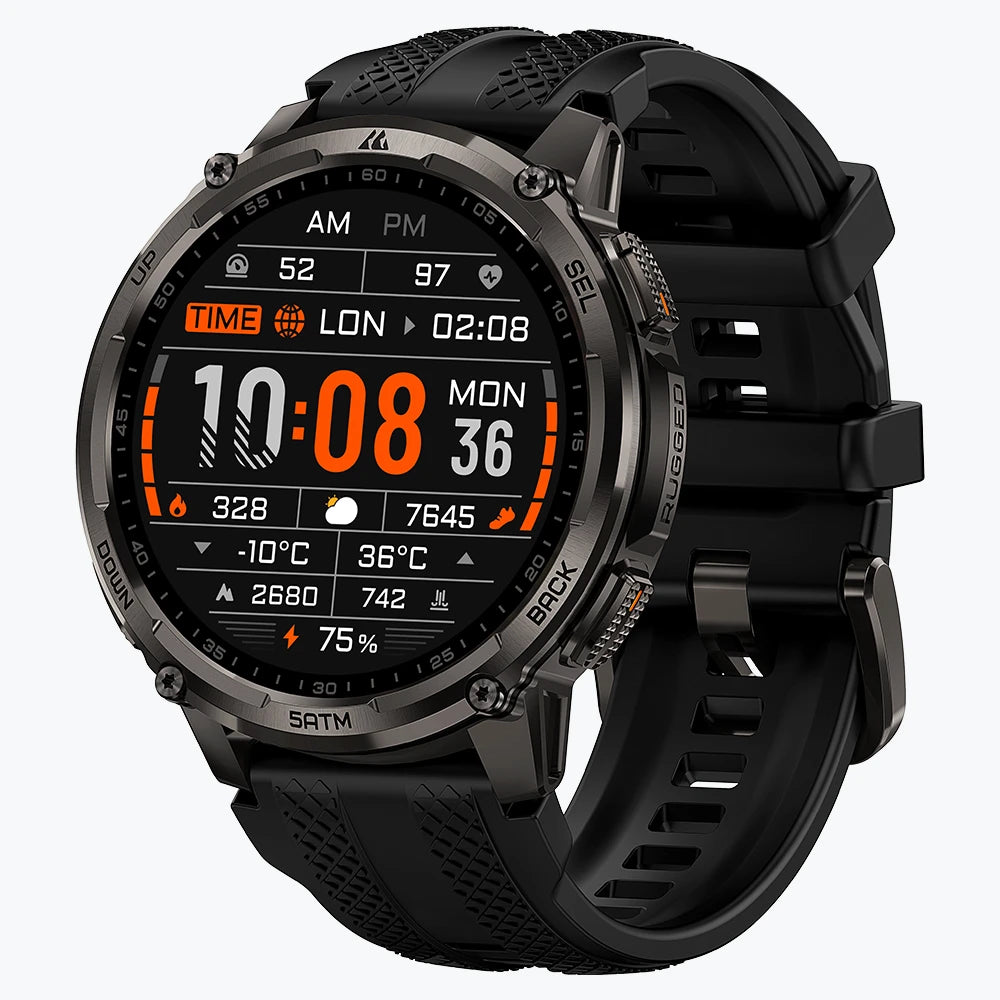
KOSPET TANK M4
KOSPET TANK T4 Smartwatch
$194.98 USD
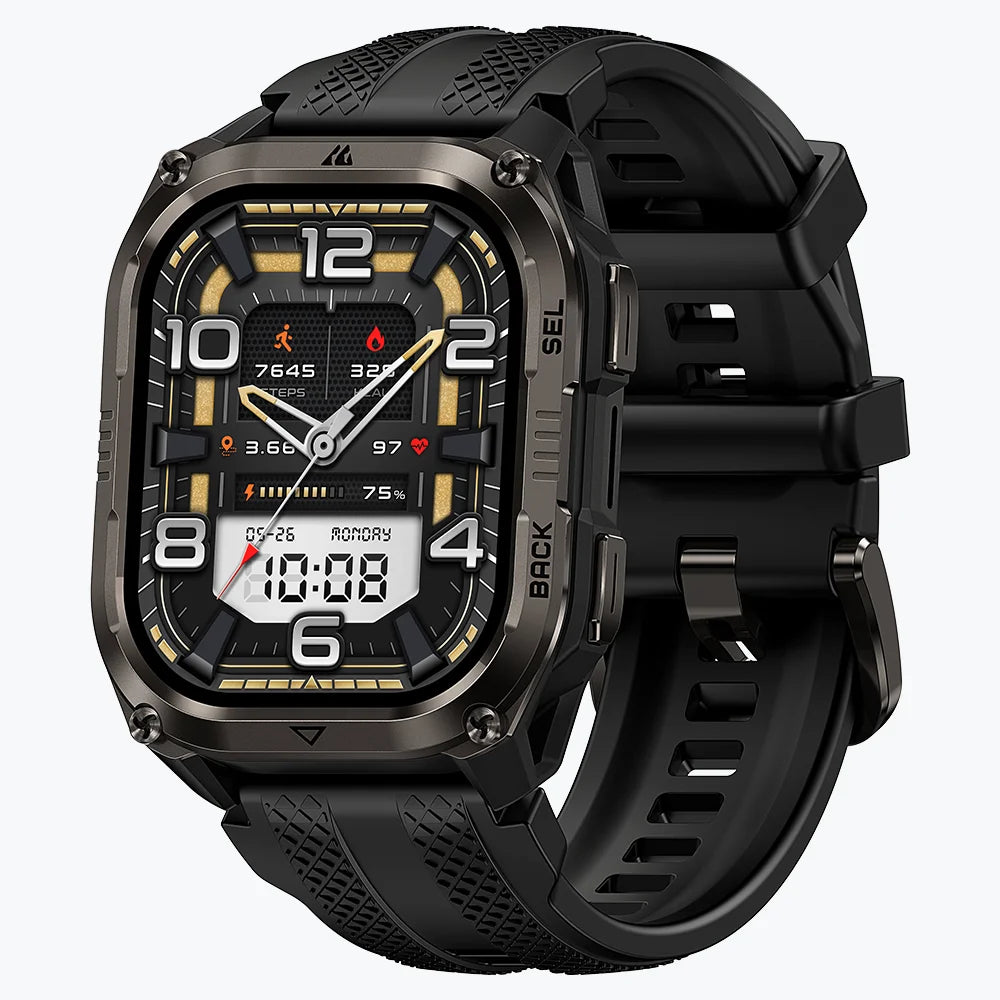
The TANK M4 has the same published battery figures as the TANK T4 but is designed for water-focused activities. The choice between these two models should therefore depend more on activity requirements than battery life.
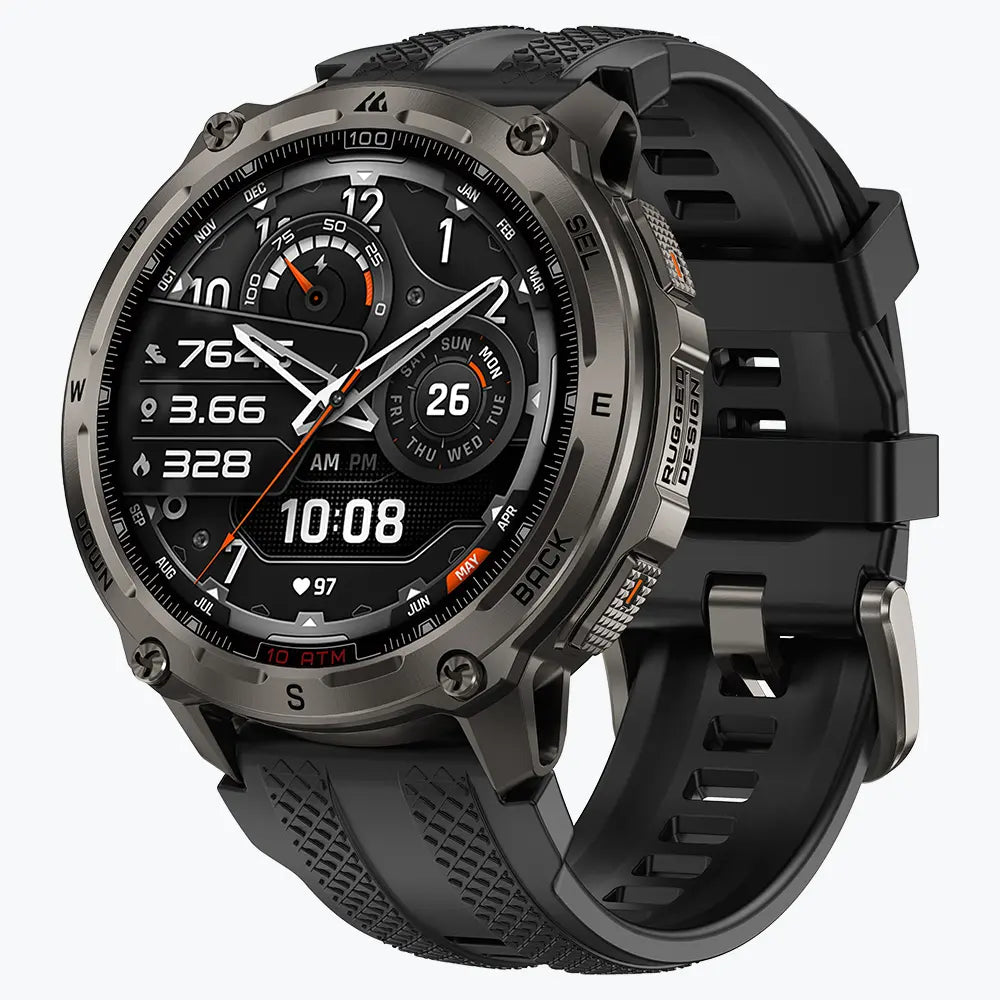
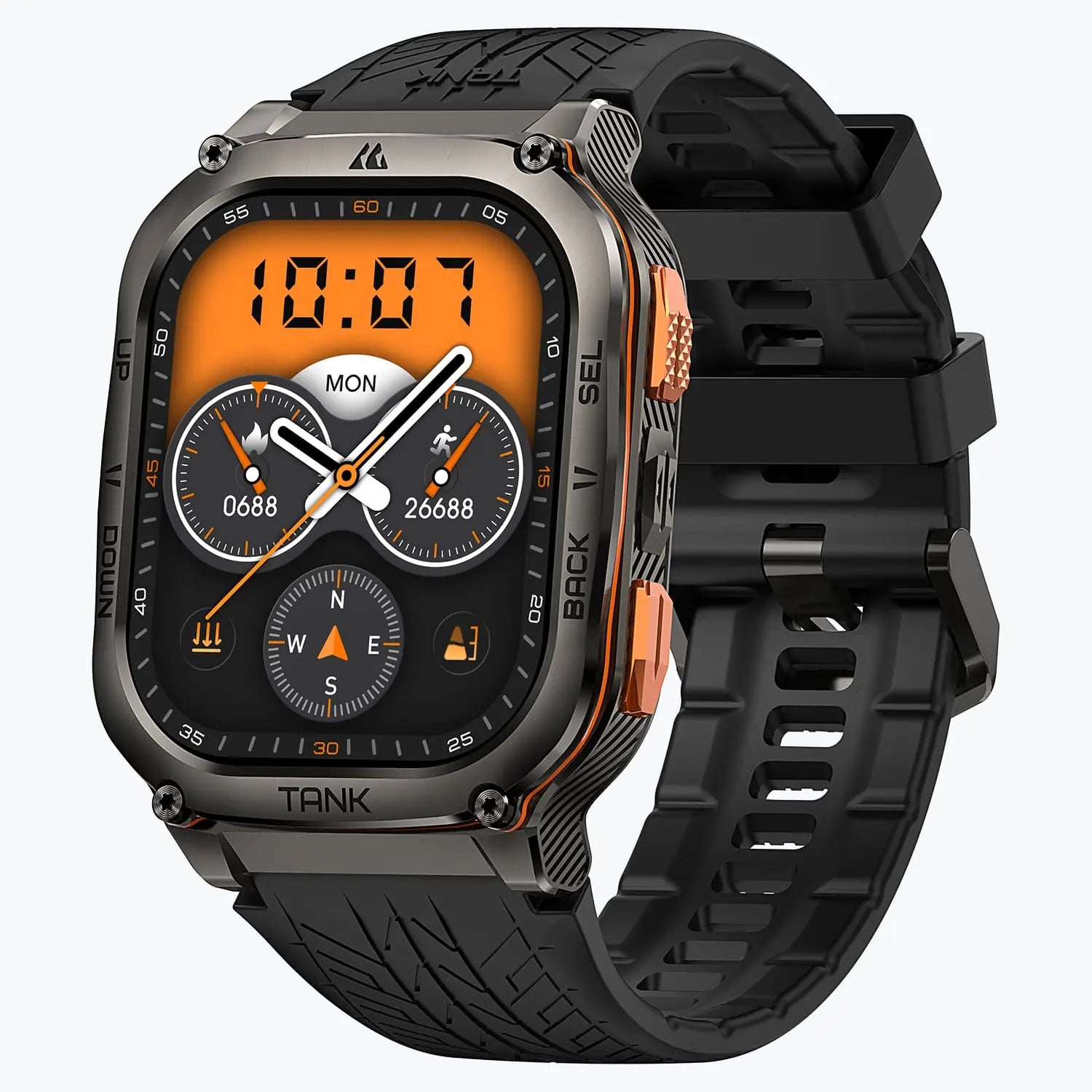
KOSPET TANK T3 ULTRA 2
The TANK T3 ULTRA 2 is the stronger option for long outdoor recordings. Its published continuous-GPS runtime of up to 35 hours is higher than the 21–22 hours listed for the TANK T4 and TANK M4.
All figures are published maximums rather than guaranteed results. Actual battery life varies with settings, usage patterns and operating conditions.
FAQ
Which KOSPET Smartwatch Has the Longest Battery Life?
It depends on the battery mode. The TANK T3 ULTRA 2 has the longest continuous-GPS figure. The TANK T4 and TANK M4 have longer published heavy-use and AOD figures. Typical-use endurance is similar across all three models.
How Can I Tell Whether Battery Drain Is Abnormal?
Compare the watch with its own recent history. A sudden decline under the same settings and routine is more significant than a short runtime during GPS tracking, navigation or heavy screen use. Persistent idle drain, excessive heat or charging problems also warrant technical review.
What Is the Difference Between Battery Life and Battery Lifespan?
Battery life is the operating time between charges. Battery lifespan is the useful service period of the rechargeable cell. Chemical ageing and accumulated charge cycles gradually reduce the amount of energy the battery can store.
Does Always-On Display Reduce Smartwatch Battery Life?
Yes. Always-On Display keeps part of the screen active for extended periods, so its battery-life figure is normally lower than the typical-use figure. Users who keep AOD enabled should compare watches using their published AOD endurance.