ขายดีที่สุด
เปรียบเทียบ

ตัวกรอง
10 สินค้า

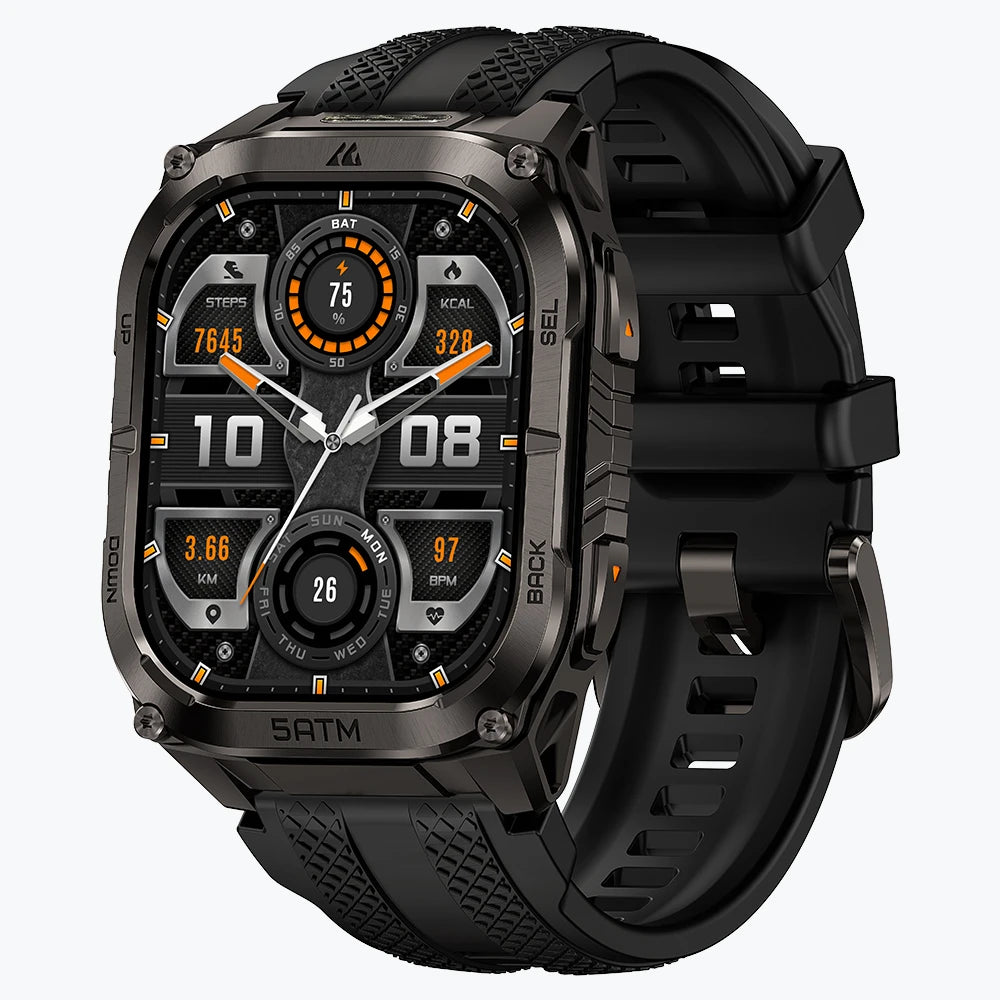


Accurate GPS
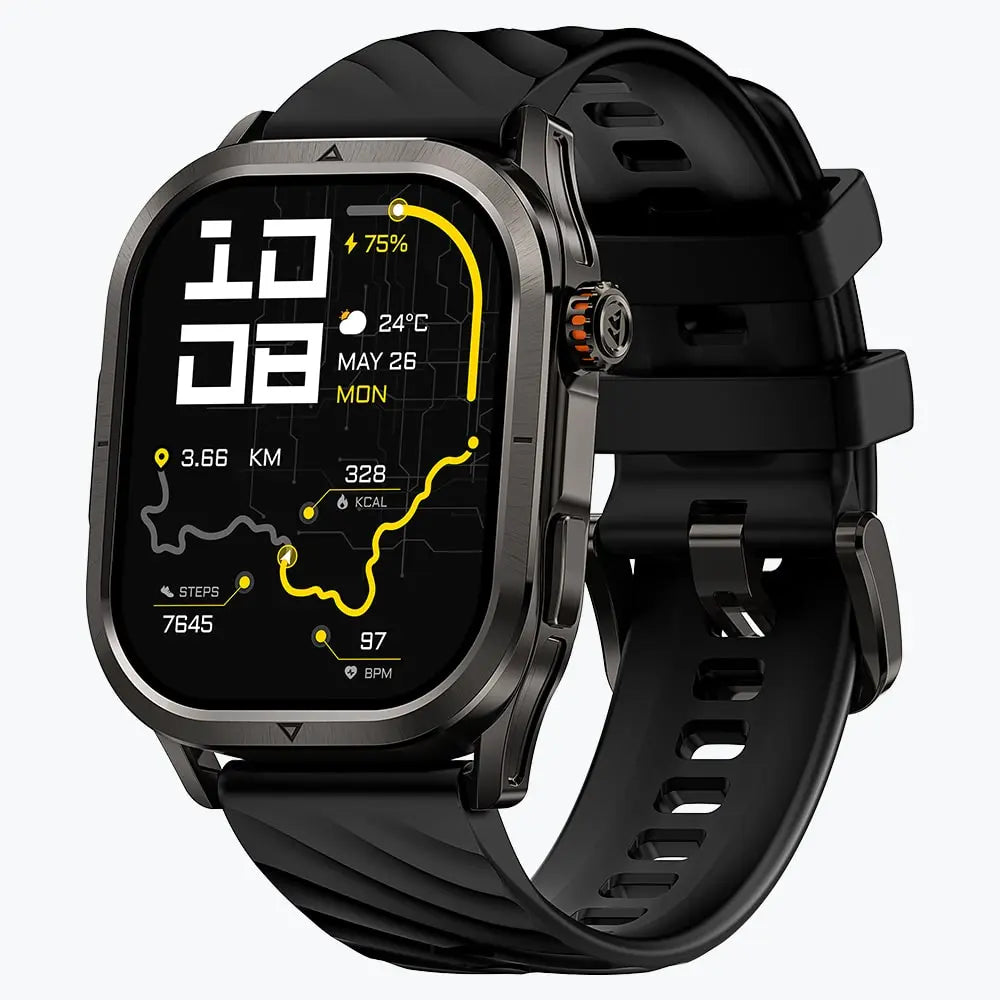
Track your pace, distance, and route more accurately during road runs, trail runs, and outdoor workouts. After each run, see where you went, how your pace changed, and how far you actually ran.

Long Battery Life
Built for regular runs, outdoor workouts, and active training days. Up to 14 days of battery life helps you keep tracking runs, routes, and workout data with fewer charging breaks.
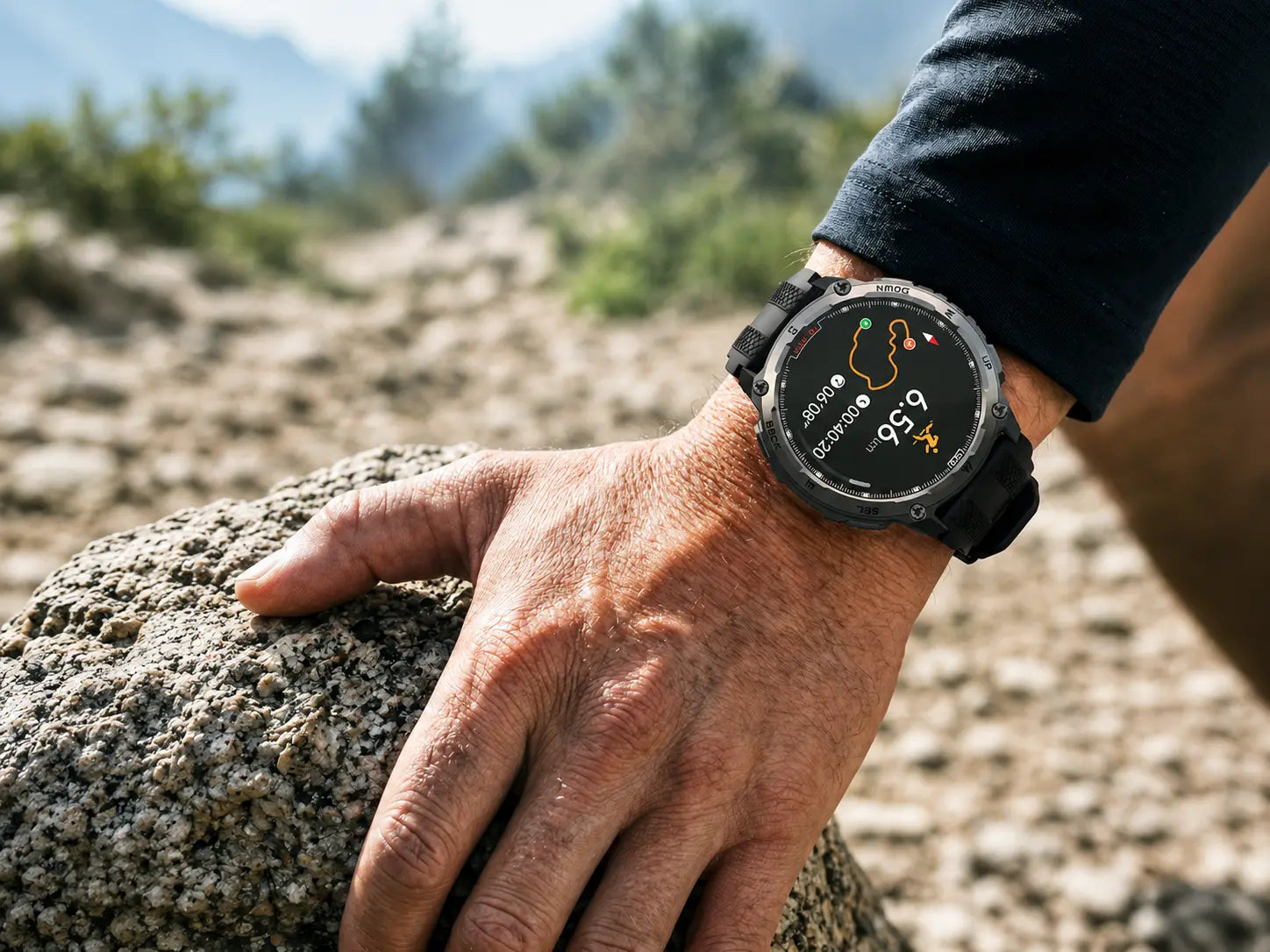
Rugged Build
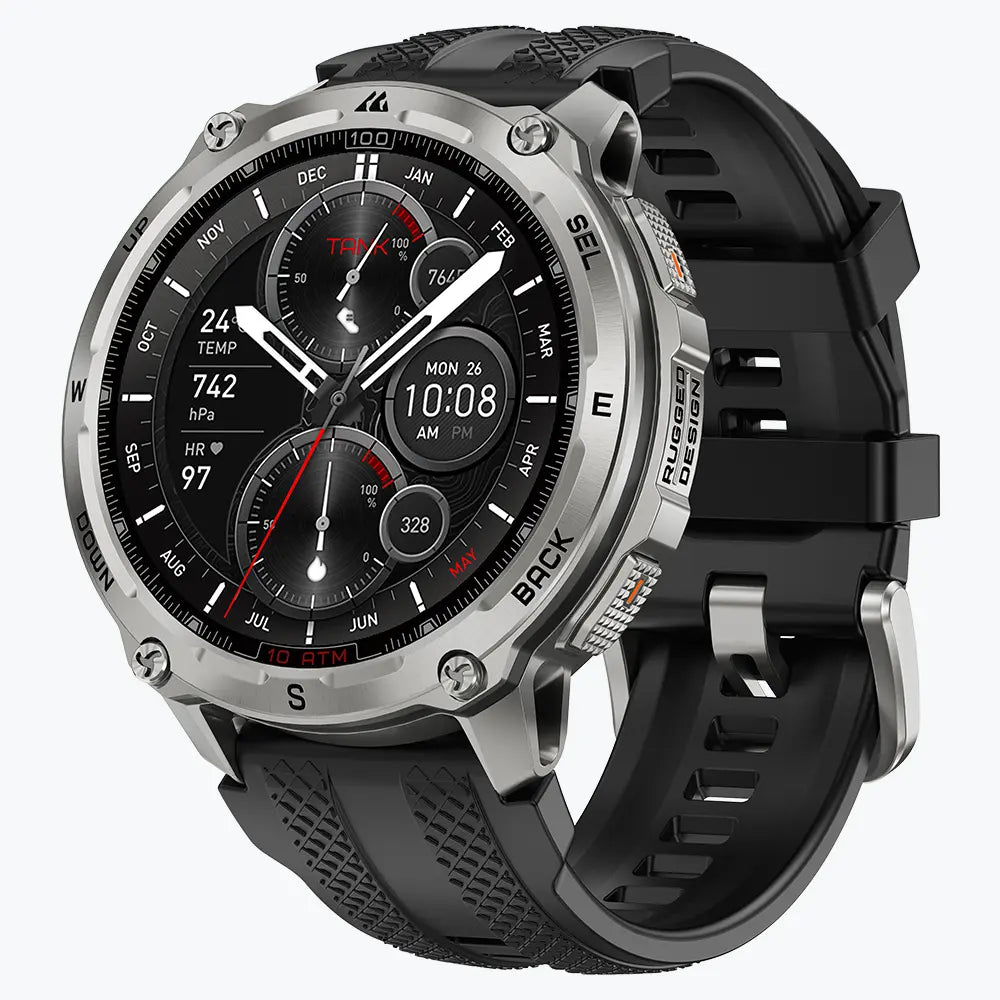
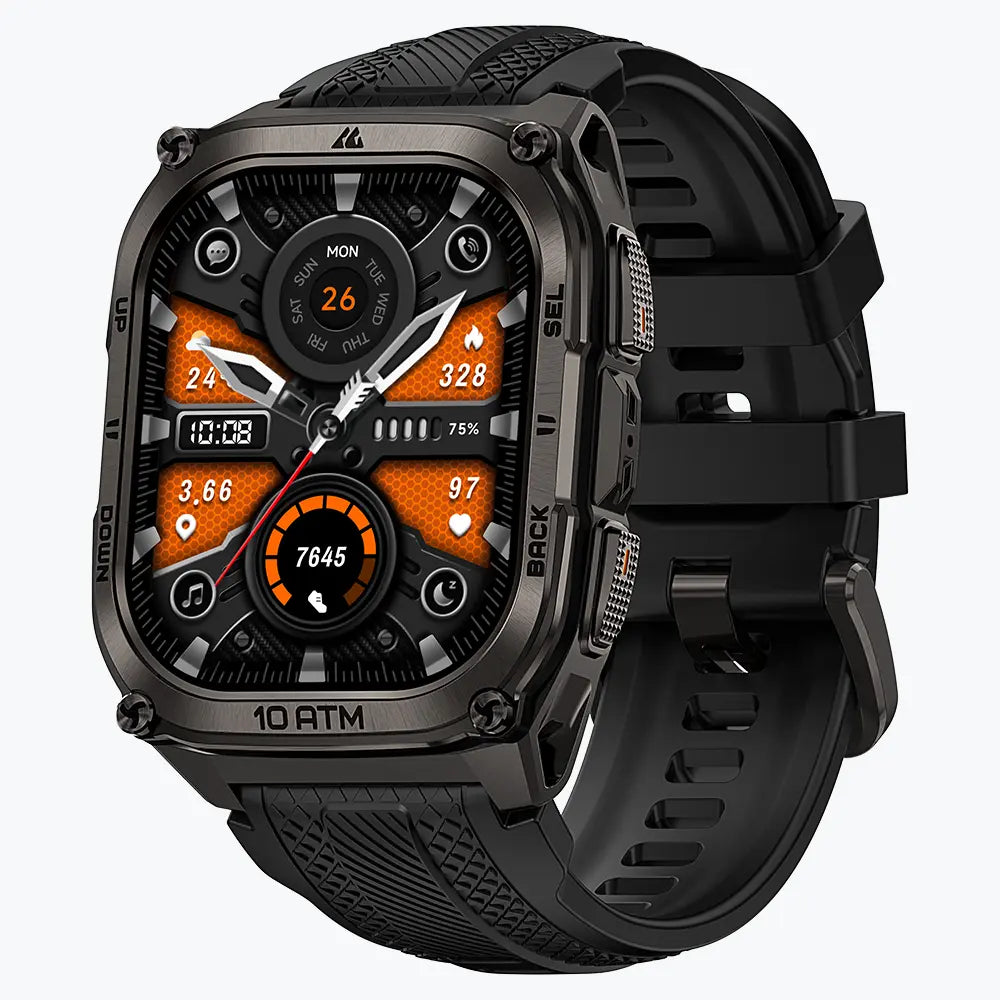
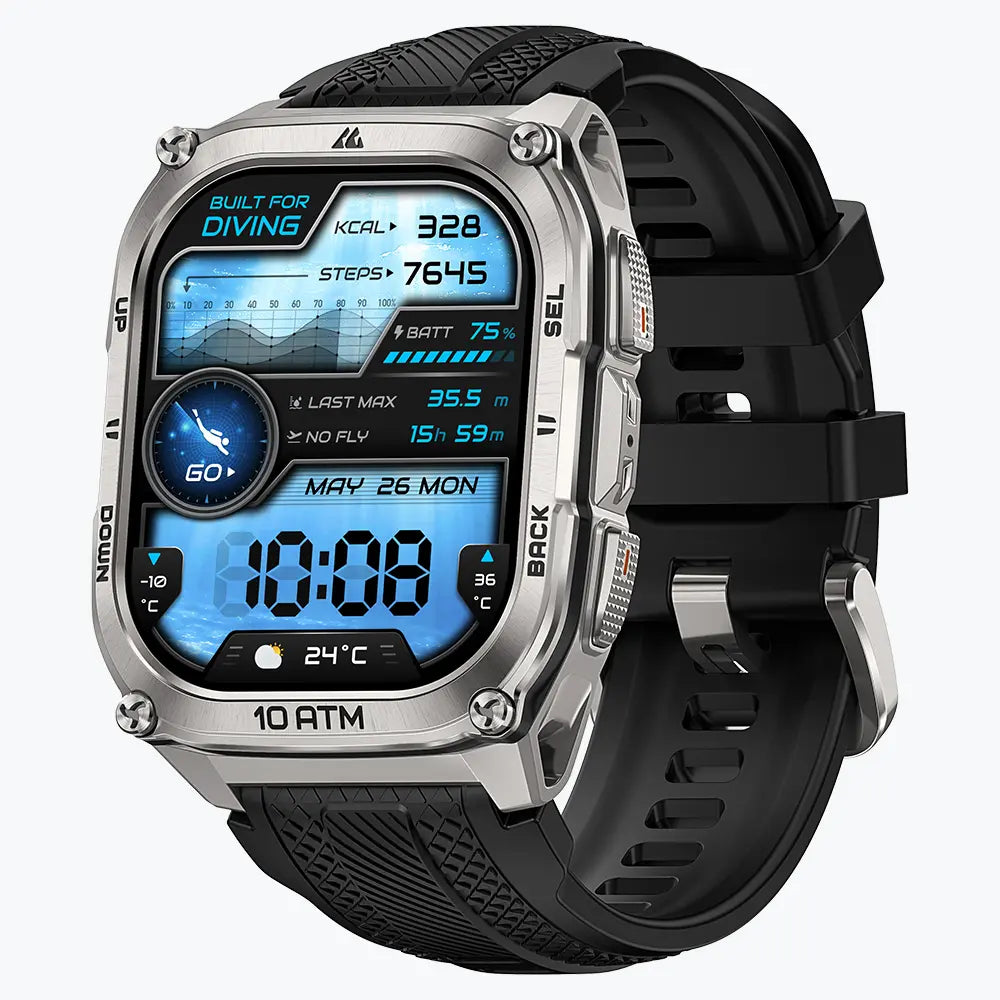
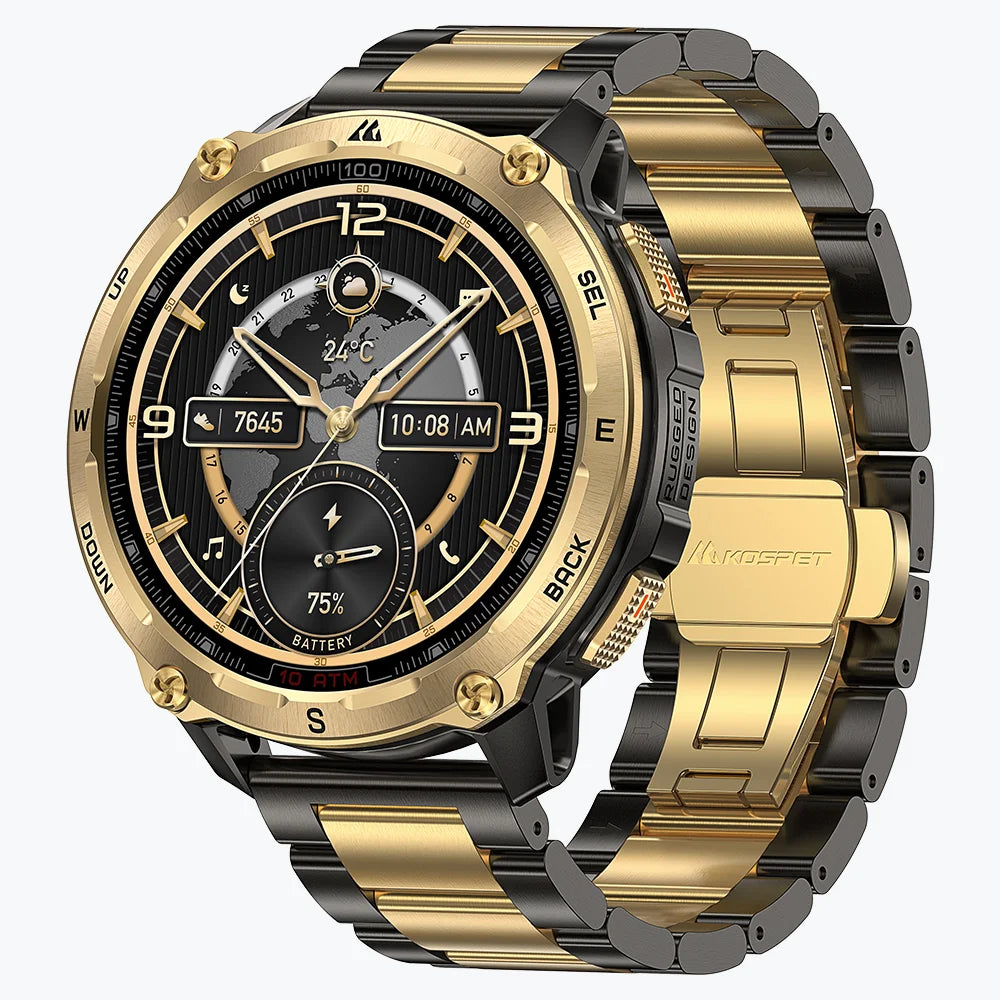
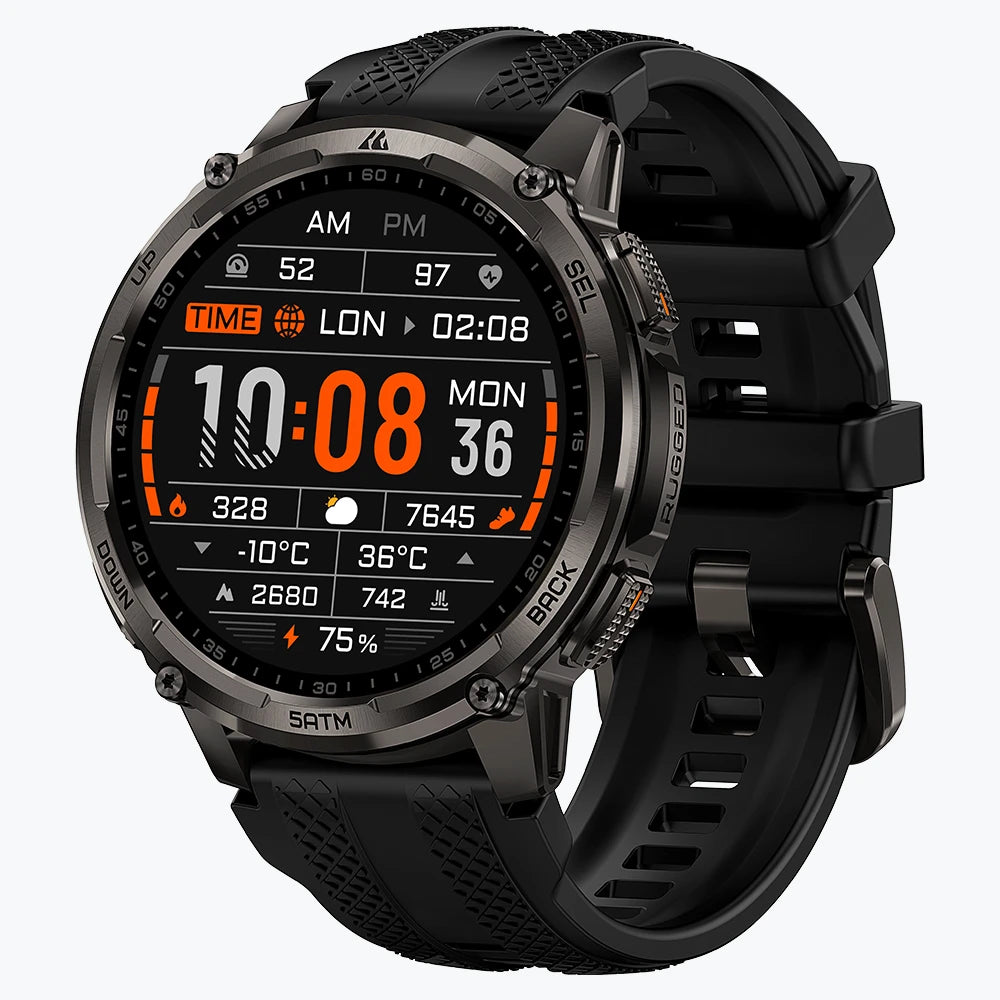
Built for road runs, trail runs, and tougher outdoor workouts. With rugged materials and SGS-tested durability, KOSPET running smartwatches help handle sweat, rain, dust, bumps, and uneven routes with more confidence.
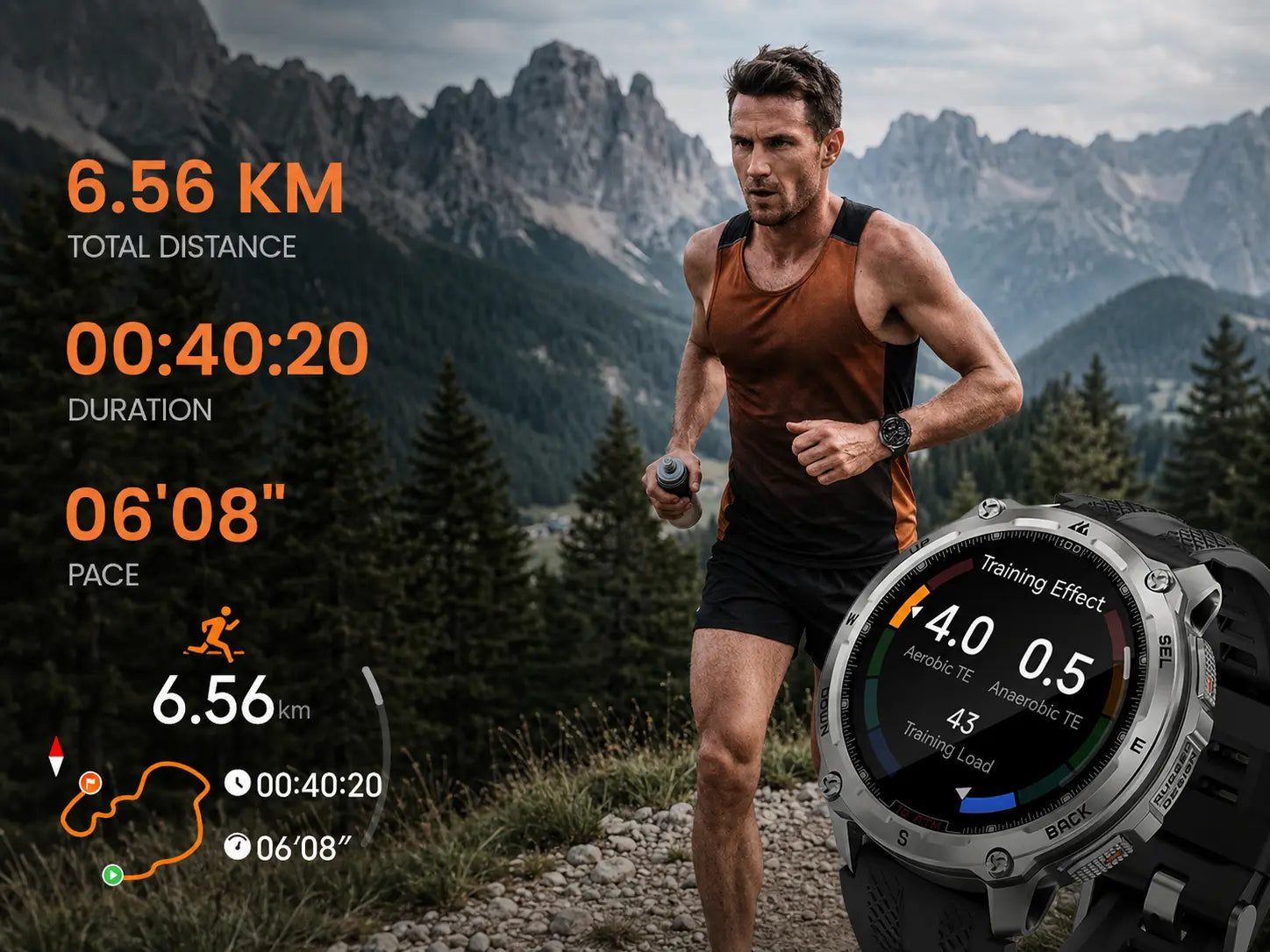
Offline Maps
Run unfamiliar roads, parks, and trail routes with more confidence. Offline maps help you check direction, follow planned routes, and stay oriented when phone signal is weak.
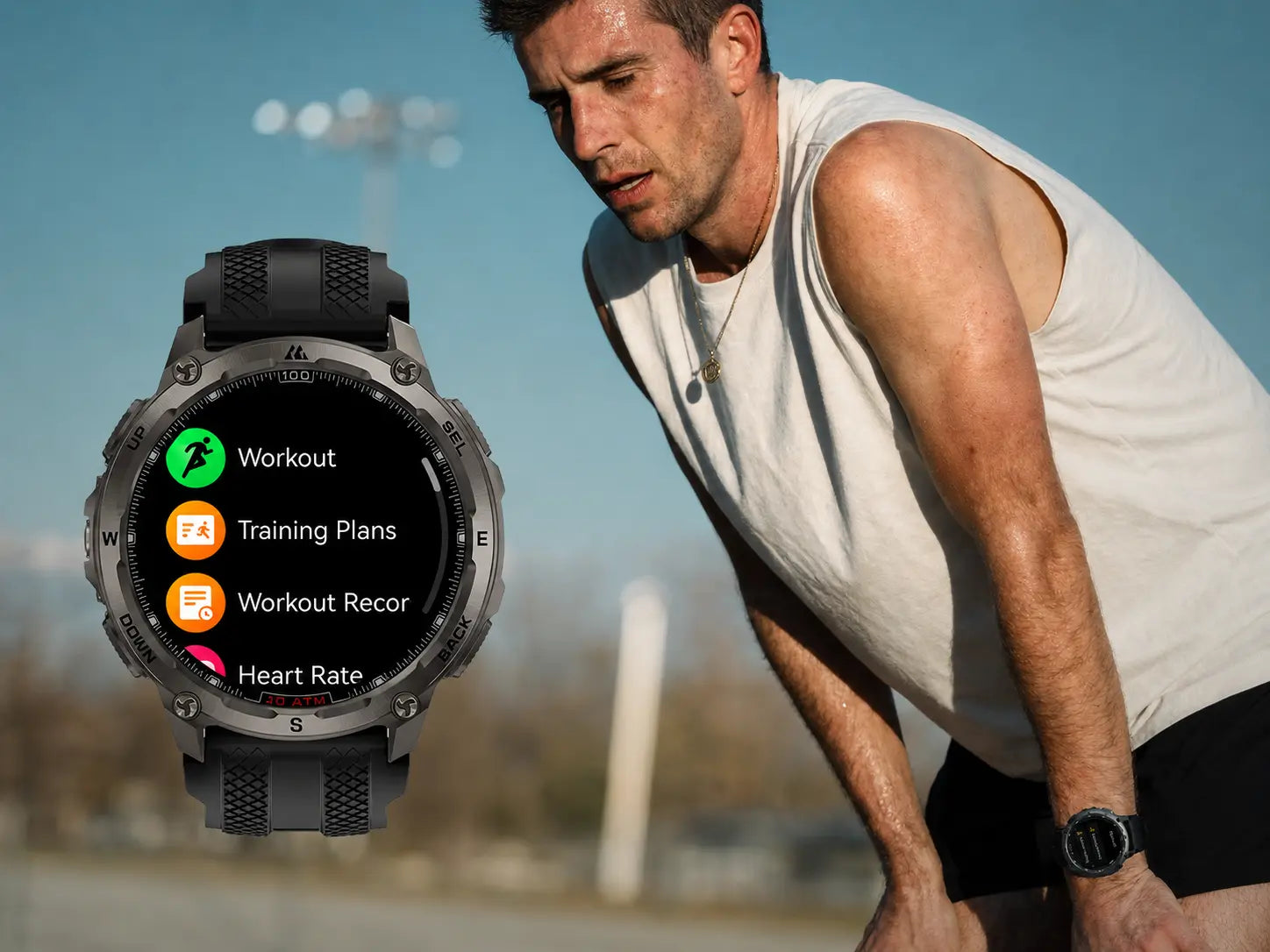
Run with Music
Play music from your watch and run with less to carry. Pair with Bluetooth headphones to stay motivated, keep your rhythm, and leave your phone behind during workouts.

Built-In Flashlight
Solves low-light moments during early runs, night routes, and outdoor stops. The built-in flashlight helps you see nearby paths, check your gear, or find your way without reaching for your phone.
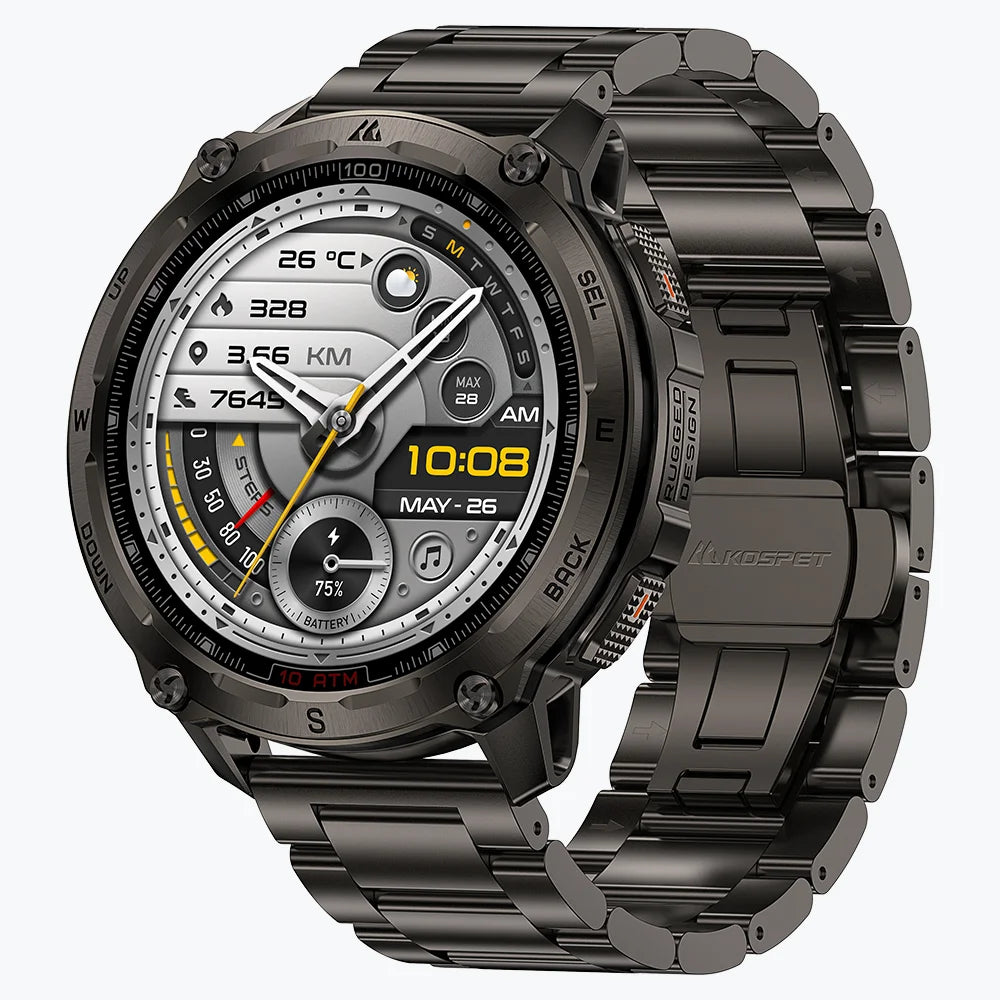
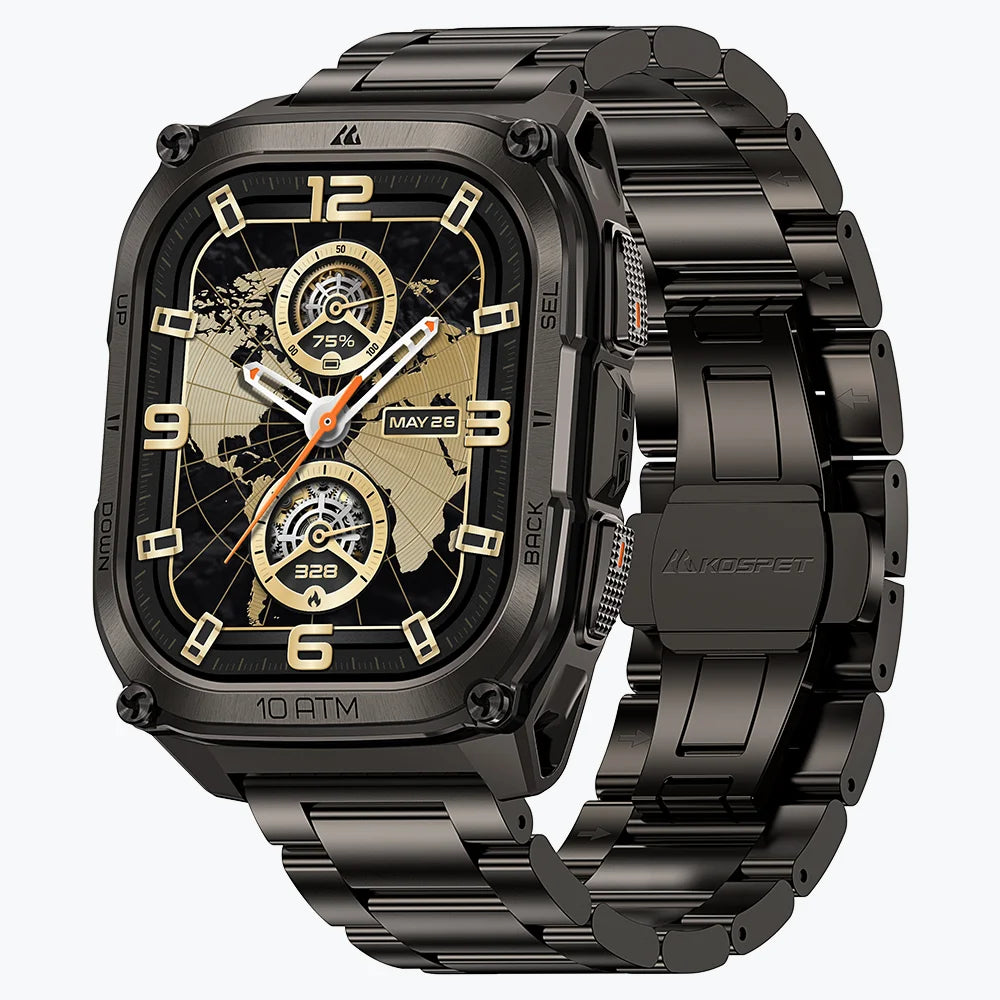
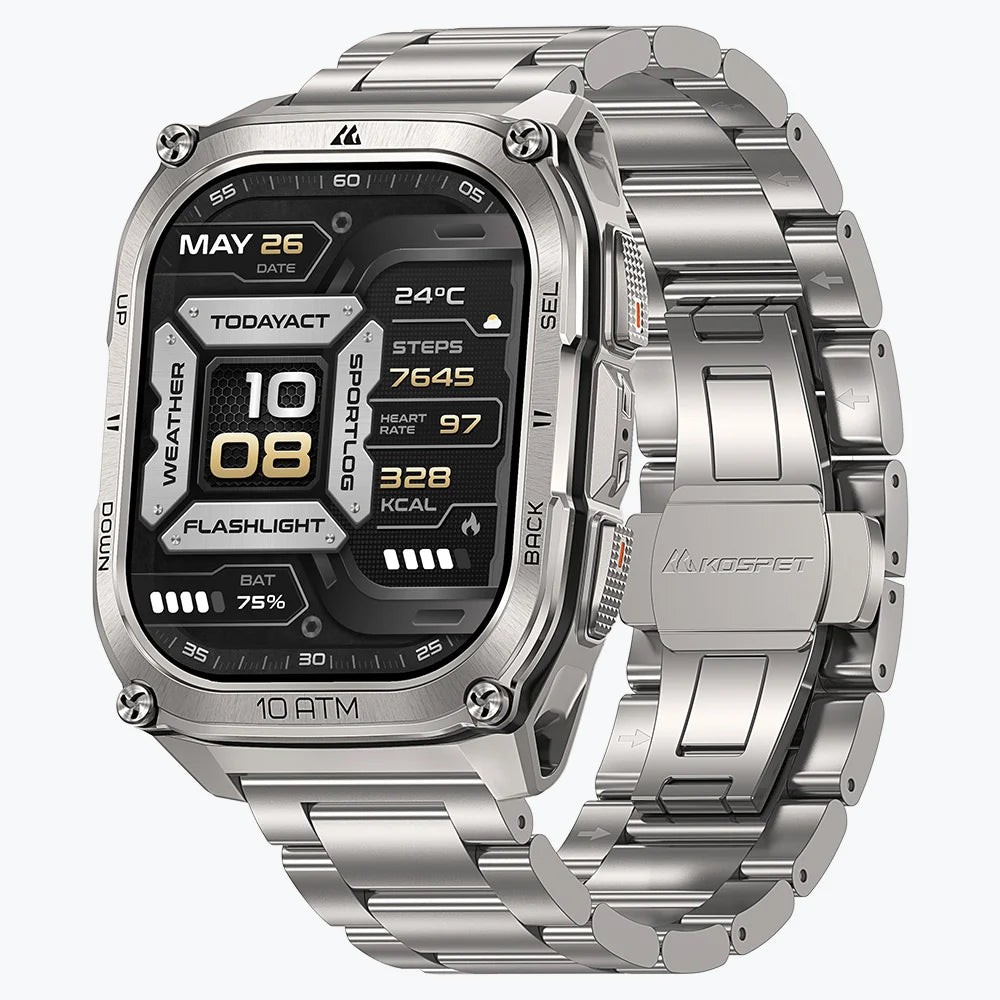
Rugged build matters because KOSPET running smartwatches are not designed as fragile fitness watches used only during clean workouts. KOSPET starts from a rugged smartwatch foundation, and running is one of the key scenarios built on top of that durability.
สมาร์ทวอทช์สำหรับวิ่ง คือนาฬิกาที่ออกแบบมาเพื่อรองรับการวิ่งโดยเฉพาะ พร้อมคุณสมบัติที่สำคัญระหว่างการฝึกซ้อม, เช่น การติดตามด้วย GPS, ข้อมูลความเร็วและระยะทาง, การตรวจสอบอัตราการเต้นของหัวใจ, การสนับสนุนเส้นทาง, และแบตเตอรี่ใช้งานได้นานขึ้น. เมื่อเทียบกับสมาร์ทวอทช์ทั่วไป, ออกแบบมาเพื่อการออกกำลังกายกลางแจ้งและการพัฒนาทักษะการวิ่งเป็นหลัก, ช่วยให้นักวิ่งติดตามผลการวิ่งได้แม่นยำยิ่งขึ้นและมีสมาธิจดจ่ออยู่กับการวิ่งแต่ละครั้ง.
ใช่, โดยเฉพาะอย่างยิ่งถ้าคุณวิ่งในพื้นที่ใหม่ๆ, เลือกเส้นทางกลางแจ้งที่ยาวกว่า, หรือไม่อยากคอยเช็คโทรศัพท์อยู่เรื่อยๆ. แผนที่แบบออฟไลน์ไม่ได้มีไว้สำหรับการเดินป่าเท่านั้น. สิ่งเหล่านี้สามารถทำให้การวิ่งรู้สึกมั่นใจมากขึ้นและไม่ถูกขัดจังหวะเมื่อคุณวิ่งตามเส้นทางในถนนในเมือง, สวนสาธารณะ, หรือถนนที่ไม่คุ้นเคย. สำหรับนาฬิกาวิ่ง KOSPET บางรุ่น, แผนที่ออฟไลน์ที่นำเข้าช่วยเพิ่มประโยชน์ใช้สอยโดยช่วยให้นักวิ่งรักษาเส้นทางได้โดยตรงจากนาฬิกา.
ผู้เริ่มต้นควรให้ความสนใจกับคุณสมบัติที่พวกเขาจะใช้งานจริง: GPS, ก้าว, ระยะทาง, อัตราการเต้นของหัวใจ, ปลอบโยน, และอายุการใช้งานแบตเตอรี่. ในขั้นตอนนี้, นาฬิกาสำหรับวิ่งควรทำให้การฝึกซ้อมง่ายขึ้นและสม่ำเสมอยิ่งขึ้น, แทนที่จะเพิ่มเครื่องมือขั้นสูงมากเกินไปซึ่งยังไม่จำเป็นในตอนนี้.
ใช่, ถ้าคุณวิ่งกลางแจ้ง. GPS คือสิ่งที่ทำให้นาฬิกาวิ่งมีประโยชน์อย่างแท้จริงในการติดตามความเร็ว, ระยะทาง, และกำหนดเส้นทางโดยไม่ต้องพึ่งพาโทรศัพท์ของคุณ. มันช่วยเปลี่ยนการวิ่งแต่ละครั้งให้กลายเป็นสิ่งที่วัดผลได้จริง, เปรียบเทียบ, และปรับปรุง. สำหรับนักวิ่งที่ฝึกซ้อมบนถนน, สวนสาธารณะ, หรือเส้นทางที่ไม่คุ้นเคย, ระบบ GPS มีความสำคัญเพราะมันให้ข้อมูลที่ครบถ้วนมากขึ้นเกี่ยวกับระยะทางที่คุณวิ่งไป, คุณเคลื่อนที่เร็วแค่ไหน, และจุดที่การวิ่งเกิดขึ้นจริง.
ใช่. สมาร์ทวอทช์สำหรับวิ่งสามารถช่วยพัฒนาการฝึกซ้อมได้โดยช่วยให้คุณควบคุมจังหวะการวิ่งได้, ติดตามระยะทางได้อย่างแม่นยำยิ่งขึ้น, และทำความเข้าใจว่าคุณกำลังวิ่งเร็วเกินไปหรือไม่, ยากเกินไป, หรือไม่สม่ำเสมอ. สำหรับผู้เริ่มต้น, นั่นหมายความว่าการออกกำลังกายที่รู้สึกว่า "การวิ่งแต่ละครั้งไม่มีแบบแผน" จะลดลง. สำหรับนักวิ่งที่วิ่งเป็นประจำ, มันทำให้การทำซ้ำเส้นทางทำได้ง่ายขึ้น, ควบคุมความพยายามในการวิ่งระยะยาว, และทบทวนการฝึกอบรมหลังจากแต่ละครั้ง.
นาฬิกาสำหรับวิ่งของ KOSPET มีประโยชน์อย่างยิ่งเมื่อคุณต้องการความช่วยเหลือที่ใช้งานได้จริงระหว่างการวิ่งกลางแจ้ง, พร้อมระบบติดตาม GPS, ระบบนำทางบนรุ่นที่เลือก, แบตเตอรี่ใช้งานได้นาน, และฟังก์ชั่นเล่นเพลงที่ช่วยให้การฝึกซ้อมมีสมาธิมากขึ้นและพึ่งพาโทรศัพท์น้อยลง.
ใช่. การติดตามอัตราการเต้นของหัวใจมีความสำคัญ เพราะช่วยให้นักวิ่งเข้าใจว่าร่างกายทำงานหนักแค่ไหน, ไม่ใช่แค่ว่าพวกเขากำลังเคลื่อนที่เร็วแค่ไหน. การวิ่งสองครั้งด้วยความเร็วเท่ากันอาจให้ความรู้สึกแตกต่างกันมาก ขึ้นอยู่กับระดับความเหนื่อยล้า, ความร้อน, ระดับความฟิต, หรือการฟื้นฟู, และอัตราการเต้นของหัวใจให้ข้อมูลเพิ่มเติมที่ความเร็วในการเดินเพียงอย่างเดียวไม่สามารถแสดงได้.
สำหรับผู้เริ่มต้น, มันสามารถช่วยหลีกเลี่ยงการเร่งรีบมากเกินไปตั้งแต่แรกได้. สำหรับนักวิ่งประจำ, มันอาจมีประโยชน์สำหรับการทำให้การวิ่งแบบง่ายๆ ง่ายขึ้น, การวิ่งระยะยาวควบคุมได้ดีกว่า, และความพยายามในการฝึกฝนมีความสม่ำเสมอมากขึ้นเมื่อเวลาผ่านไป.
KOSPET running smartwatches can fit runners at different training stages: