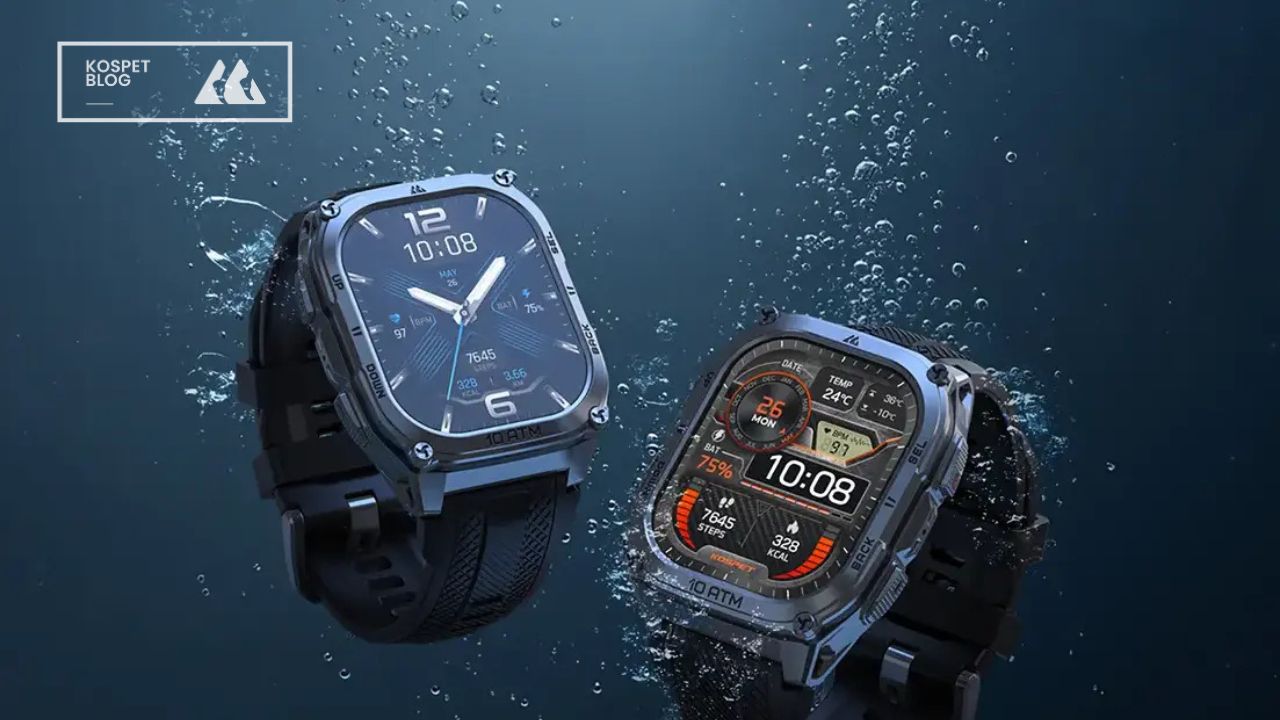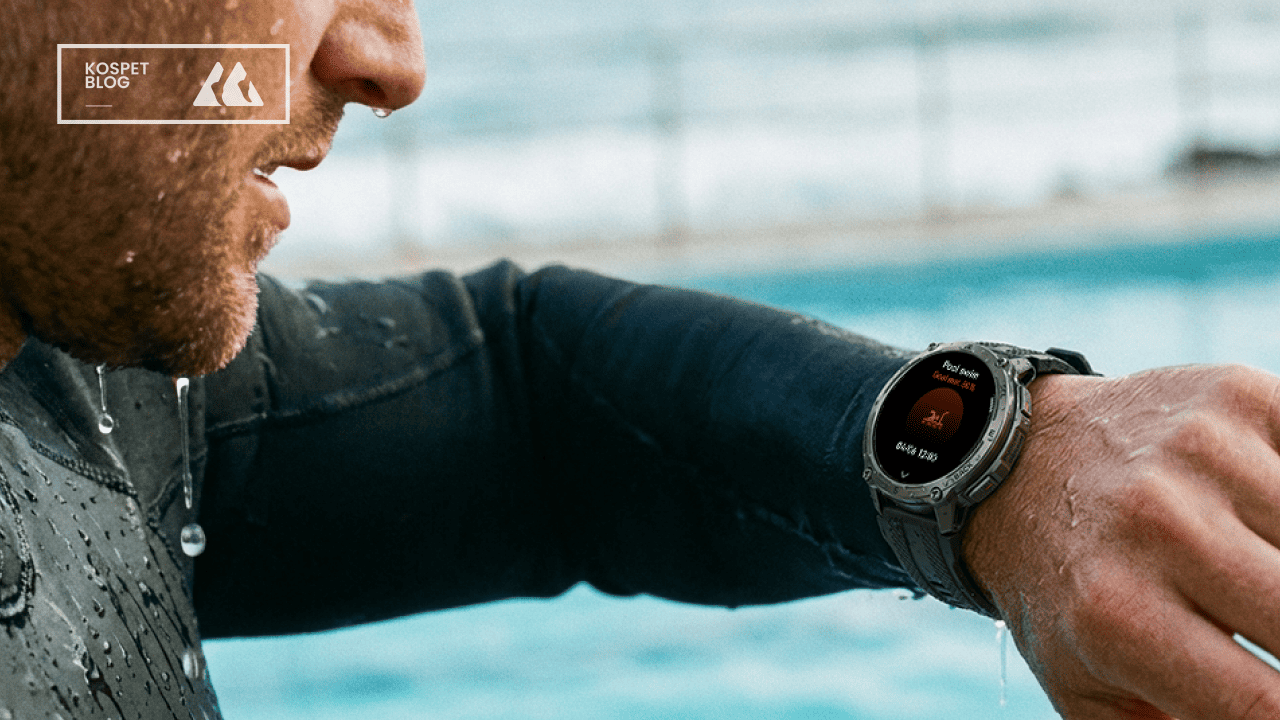
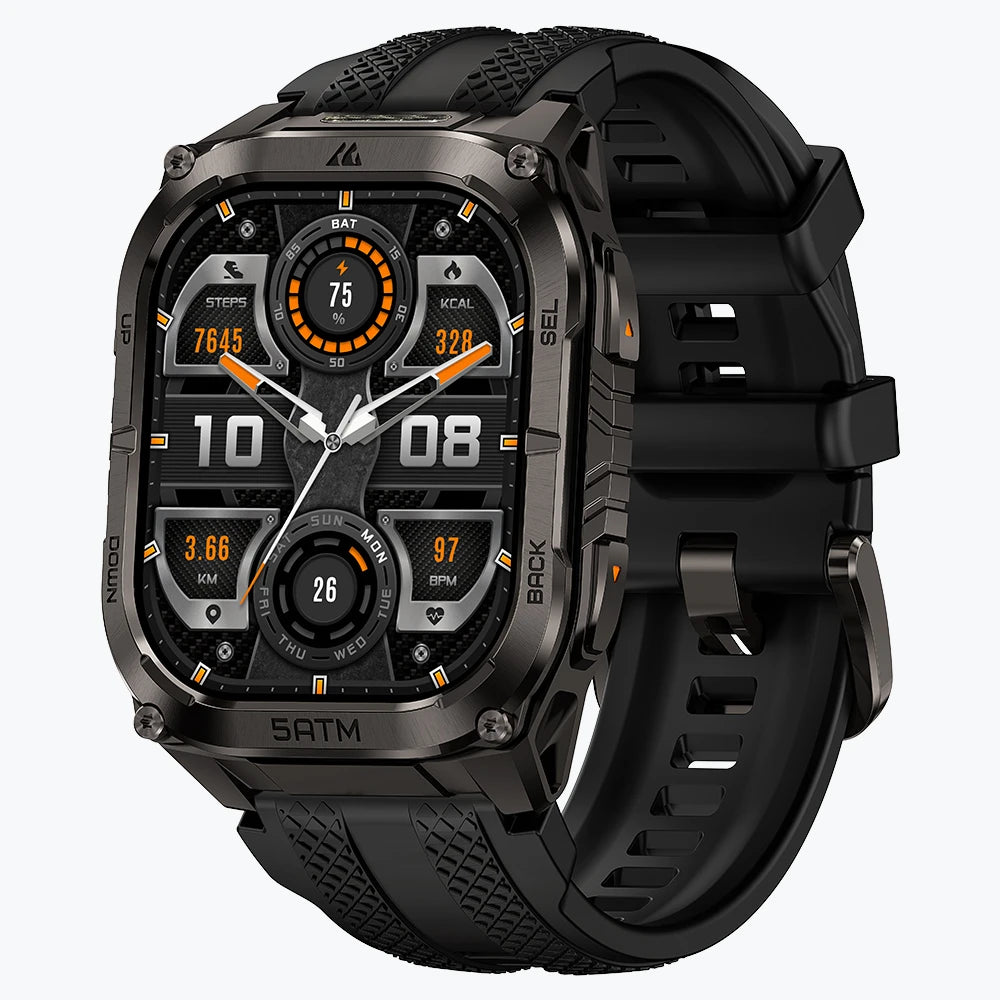
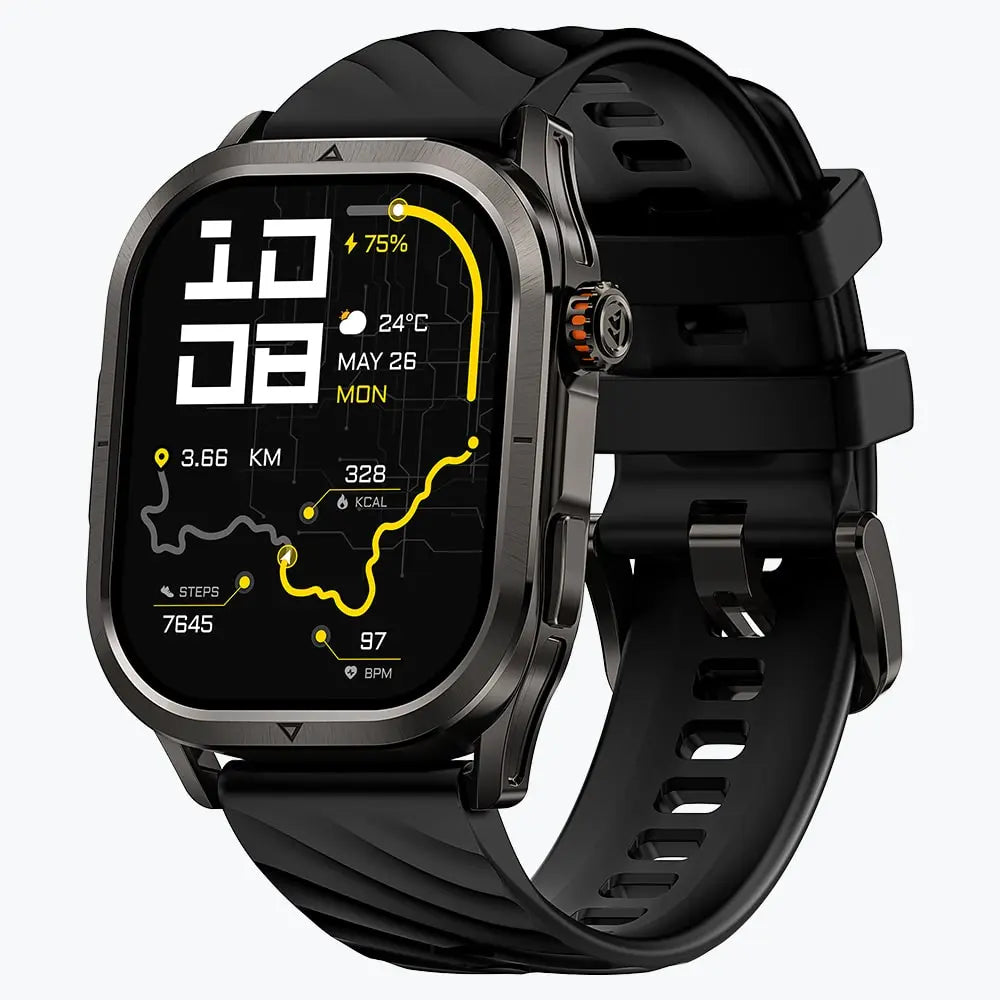


Most high-quality waterproof smartwatches can safely handle saltwater because they are built to resist pressure and moisture. Swimmers use these tools to track their health and fitness goals while they move through the waves.
However, the salt in the ocean presents unique challenges that are not found in the clean water used during factory testing. Learning how to care for your device prevents the ocean from causing permanent damage to the electronics. A few simple habits keep your smartwatch working perfectly for many years of beach use.

The Difference Between 5ATM and IP68 Ratings in Marine Environments
Standard water resistance ratings tell you how much pressure a watch can handle in a controlled laboratory setting. These numbers show the depth of still water where the watch remains sealed and safe from leaks.
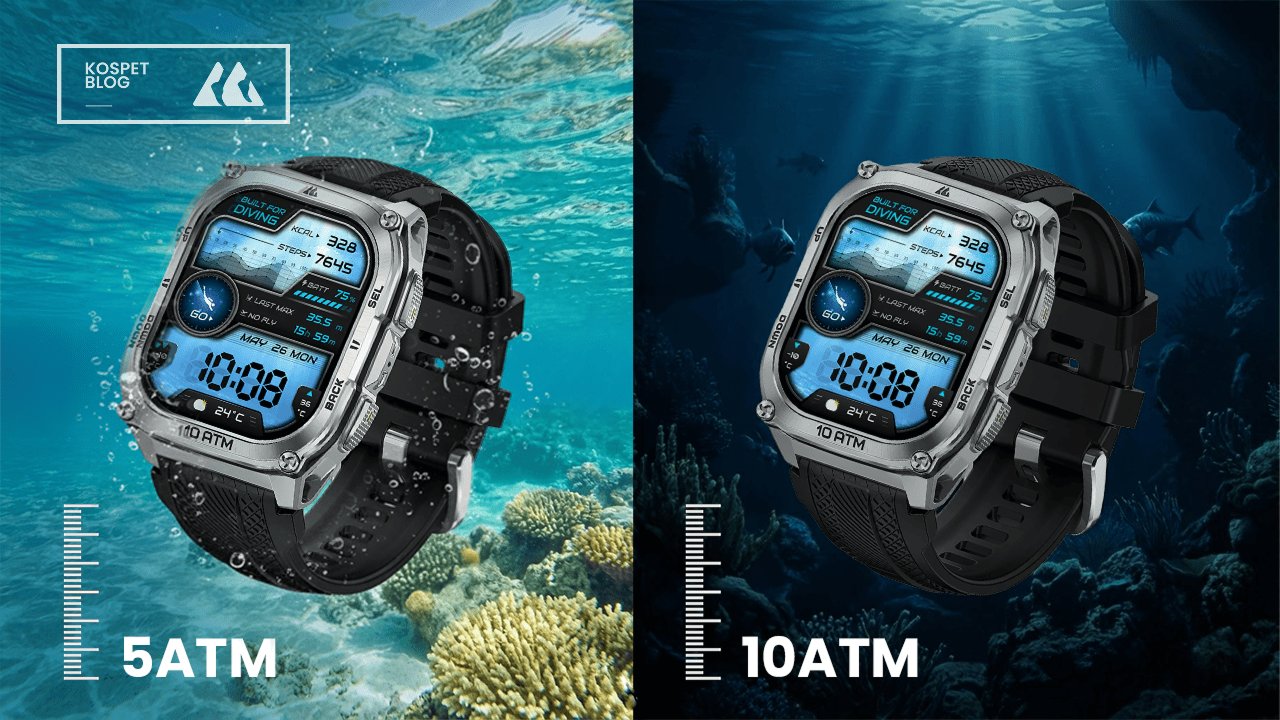
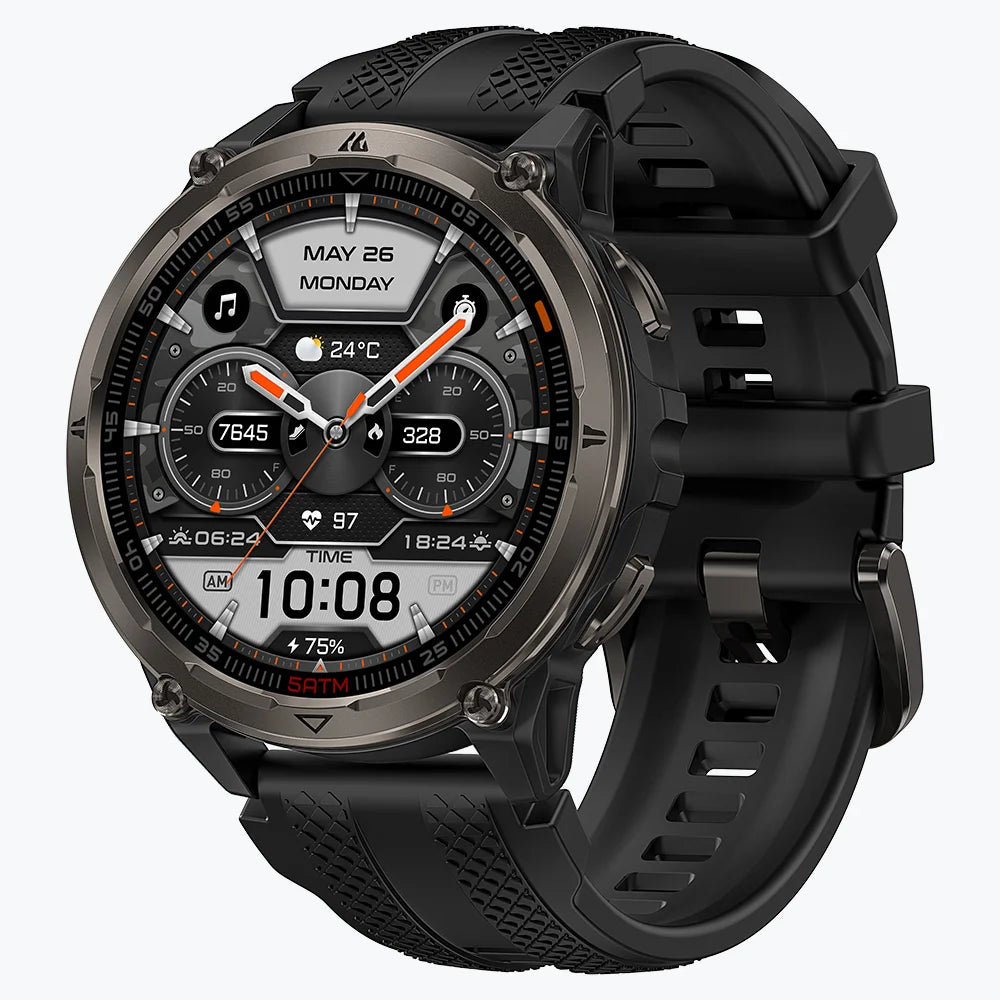
A 5ATM rating means the device survives pressure equal to 50 meters of depth in a tank of calm water. Ocean swimming involves moving arms and crashing waves which create much higher pressure than a quiet lab experiment.
| Rating | Ideal Environment | Activity Level |
|---|---|---|
| IP68 | Shallow freshwater | Splashing or rain |
| 5ATM | Swimming pools | Surface swimming and snorkeling |
| 100m or 10ATM | Deep water | High speed water sports |
Swimmers should look for a 5ATM or 100 meter rating to ensure the device handles the force of the tide. An IP68 rating is lower and usually means the watch is only safe for quick dips in shallow water. It is important to know that official water resistance standards do not account for the chemicals found in the ocean.
Chemical Effects of Salt and Mineral Accumulation on Smartwatch Hardware
Saltwater causes chemical reactions that destroy the metal parts and rubber seals of a watch over time. When saltwater evaporates it leaves behind tiny salt crystals that are very sharp and hard. These crystals act like sandpaper on the soft rubber seals that keep water out of the internal electronics.
- Corrosion of metal: Salt eats away at the metal charging pins on the back of the watch.
- Seal failure: Tiny crystals get stuck in the gaps and tear the rubber rings.
- Sensor blockage: Salt buildup covers the small holes used for the barometer and microphone.
- Button sticking: Dried minerals create a crust that makes the buttons hard to press.
This process is called corrosion and it can stop the watch from charging or lead to a total power failure. Even the smallest amount of dried salt can cause the buttons to stick or stop responding. Regular exposure to salt without cleaning leads to a buildup that eventually forces the seals to fail.
Dive Ready Engineering in the Kospet Tank M4
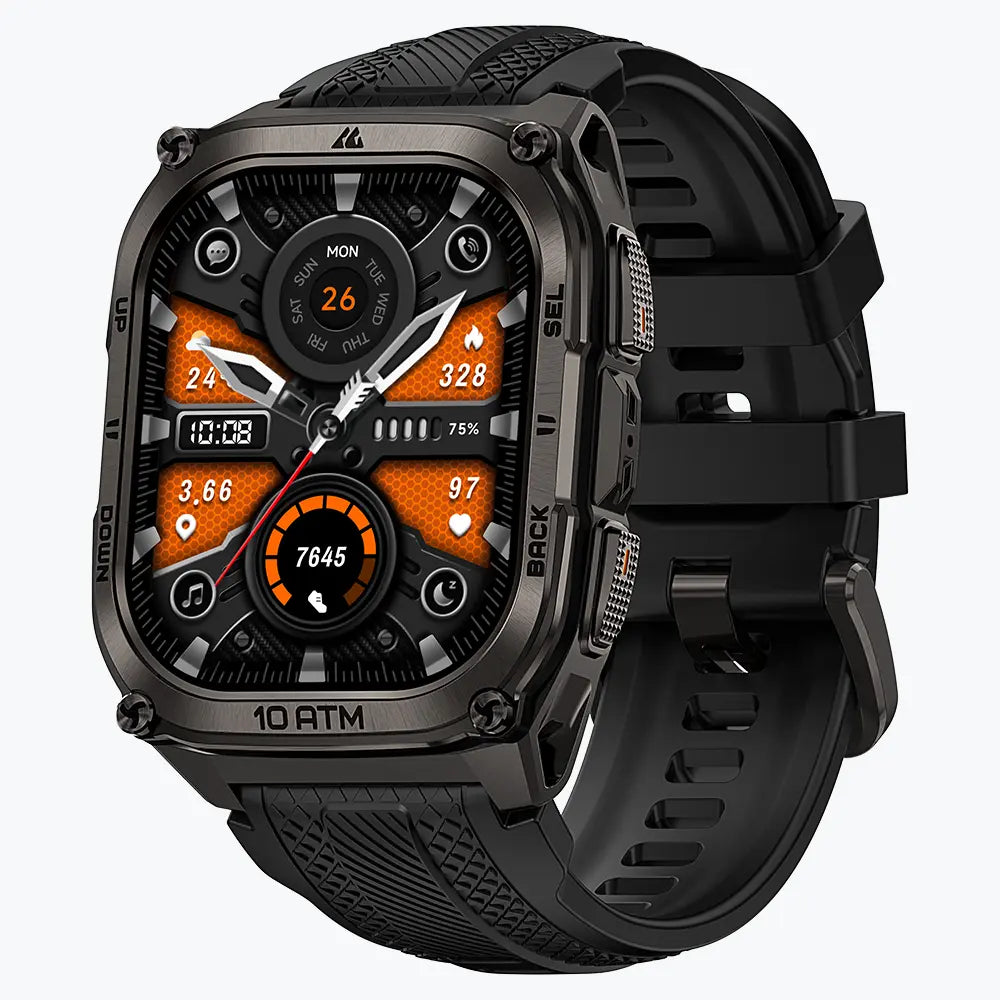
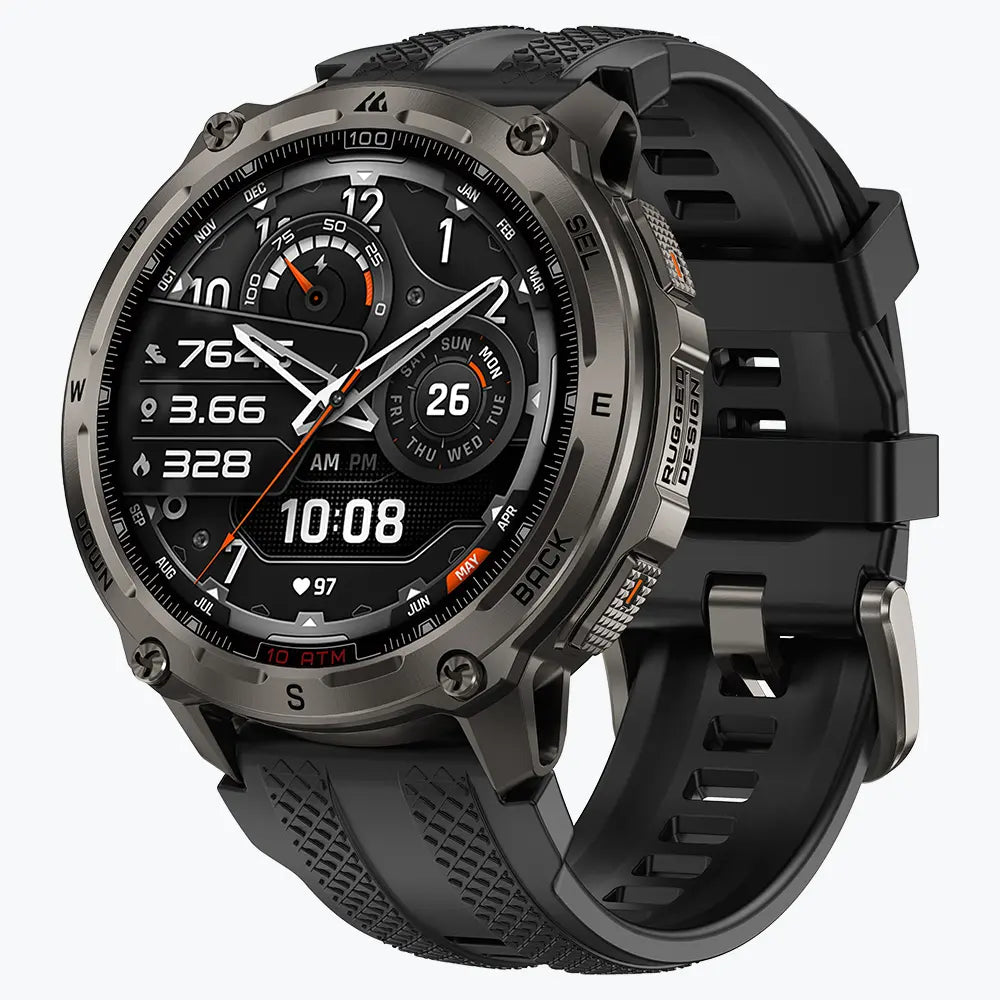
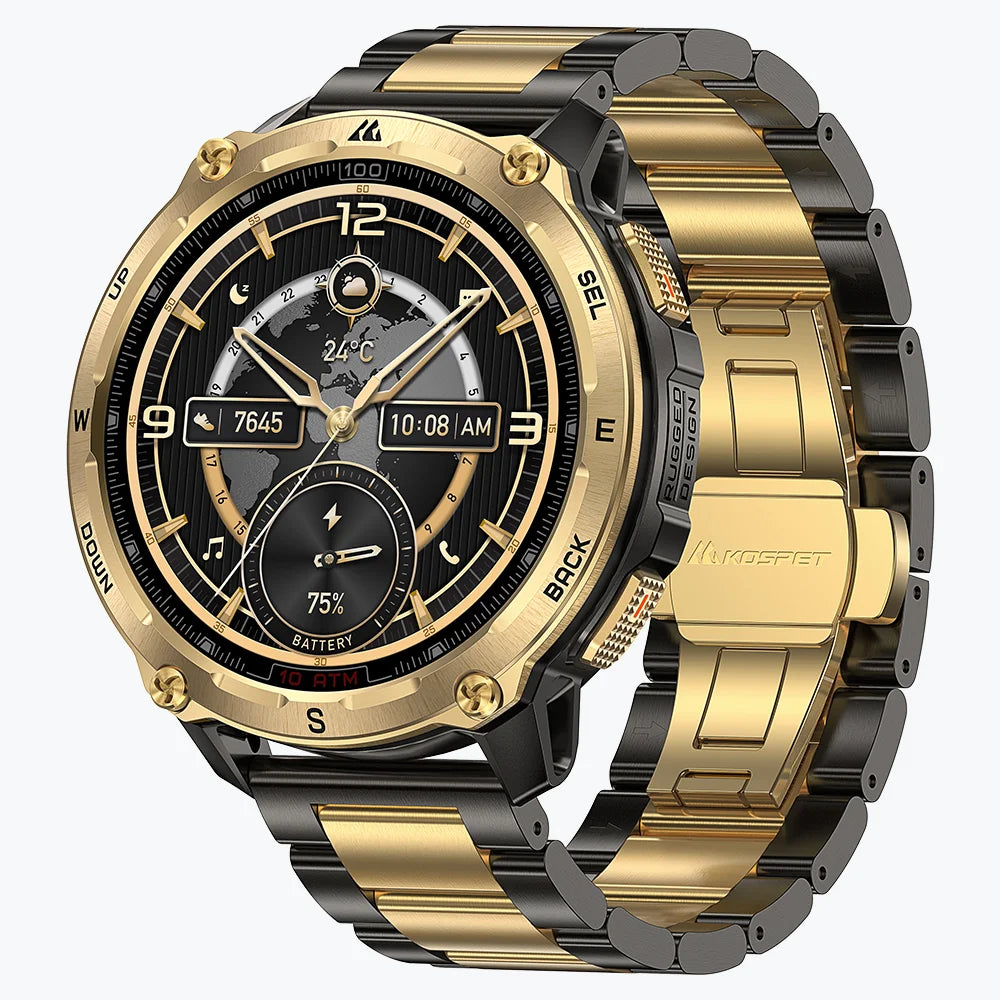
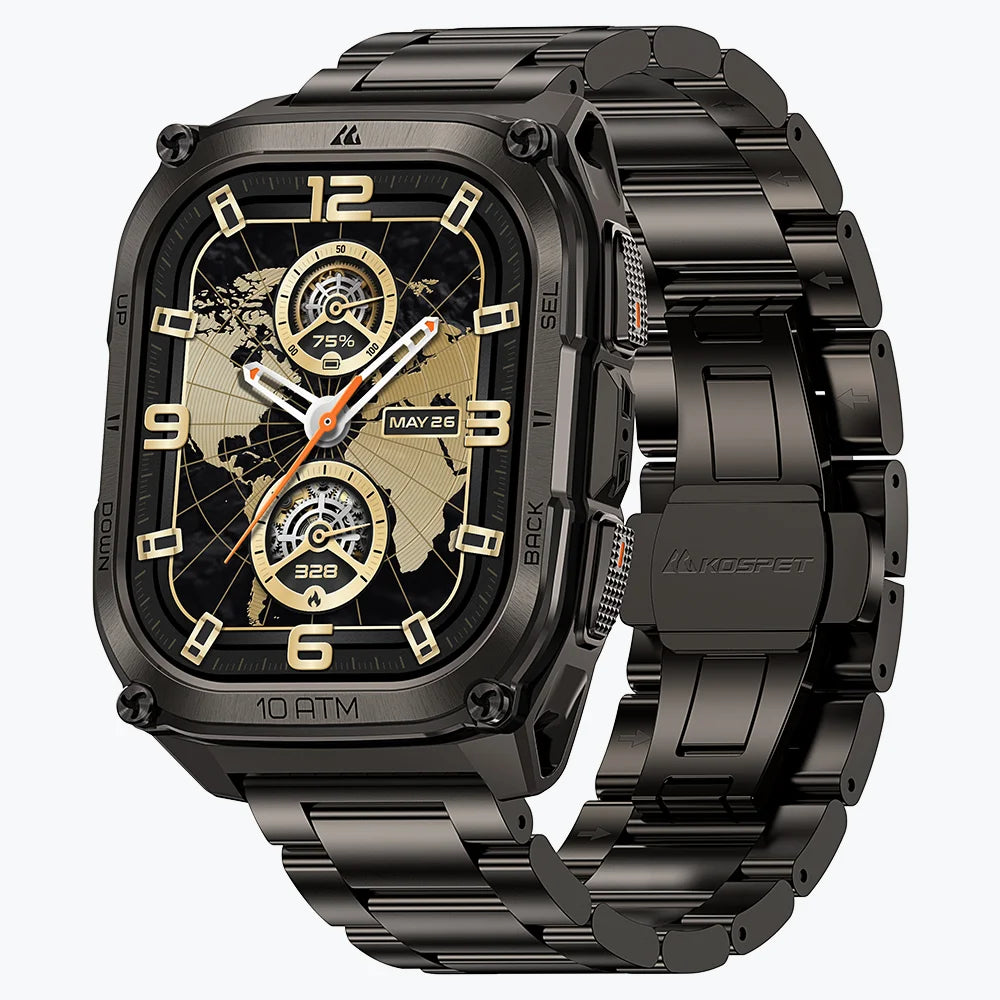
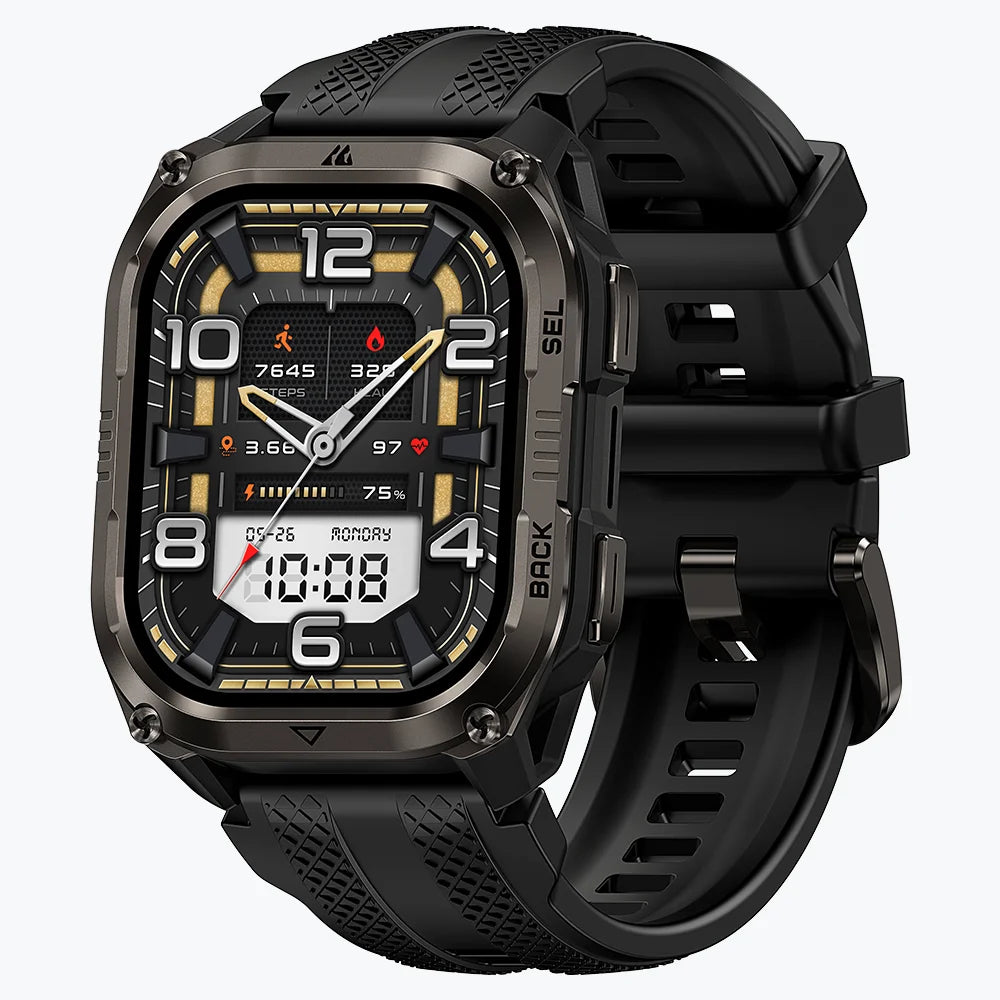
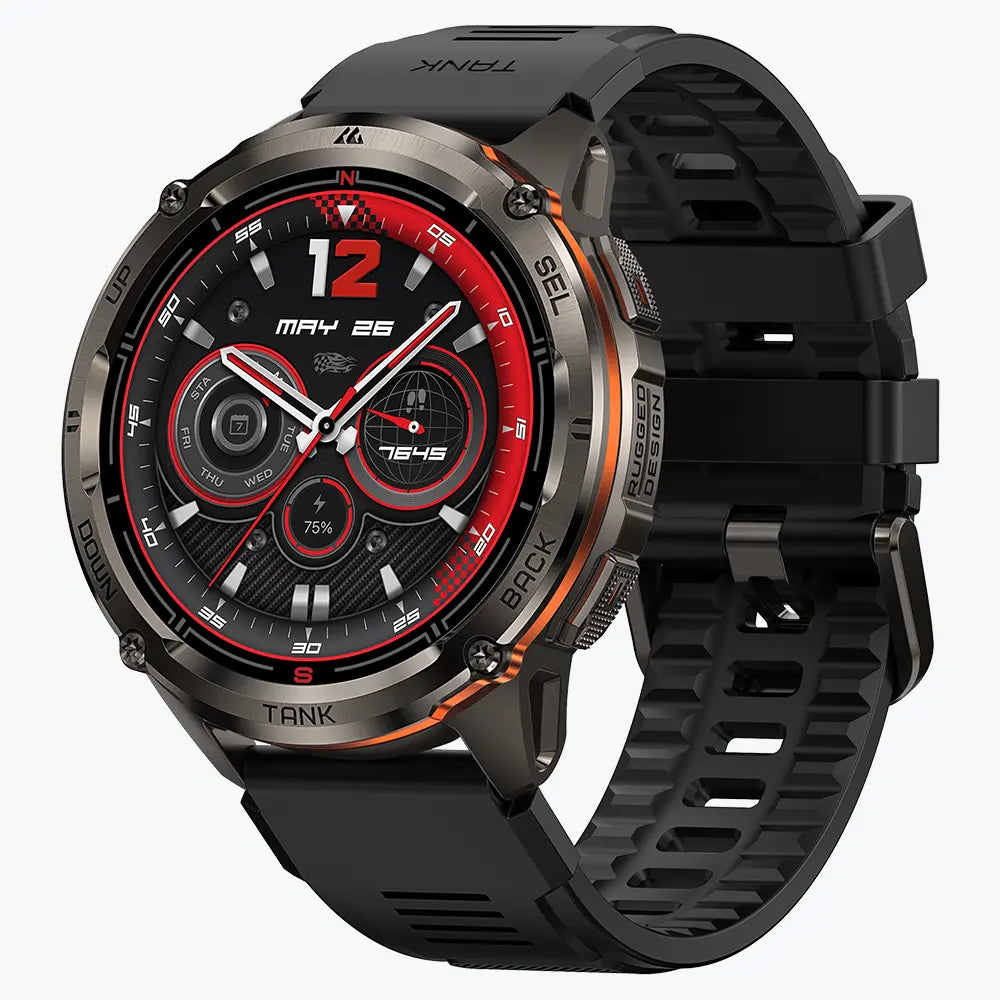
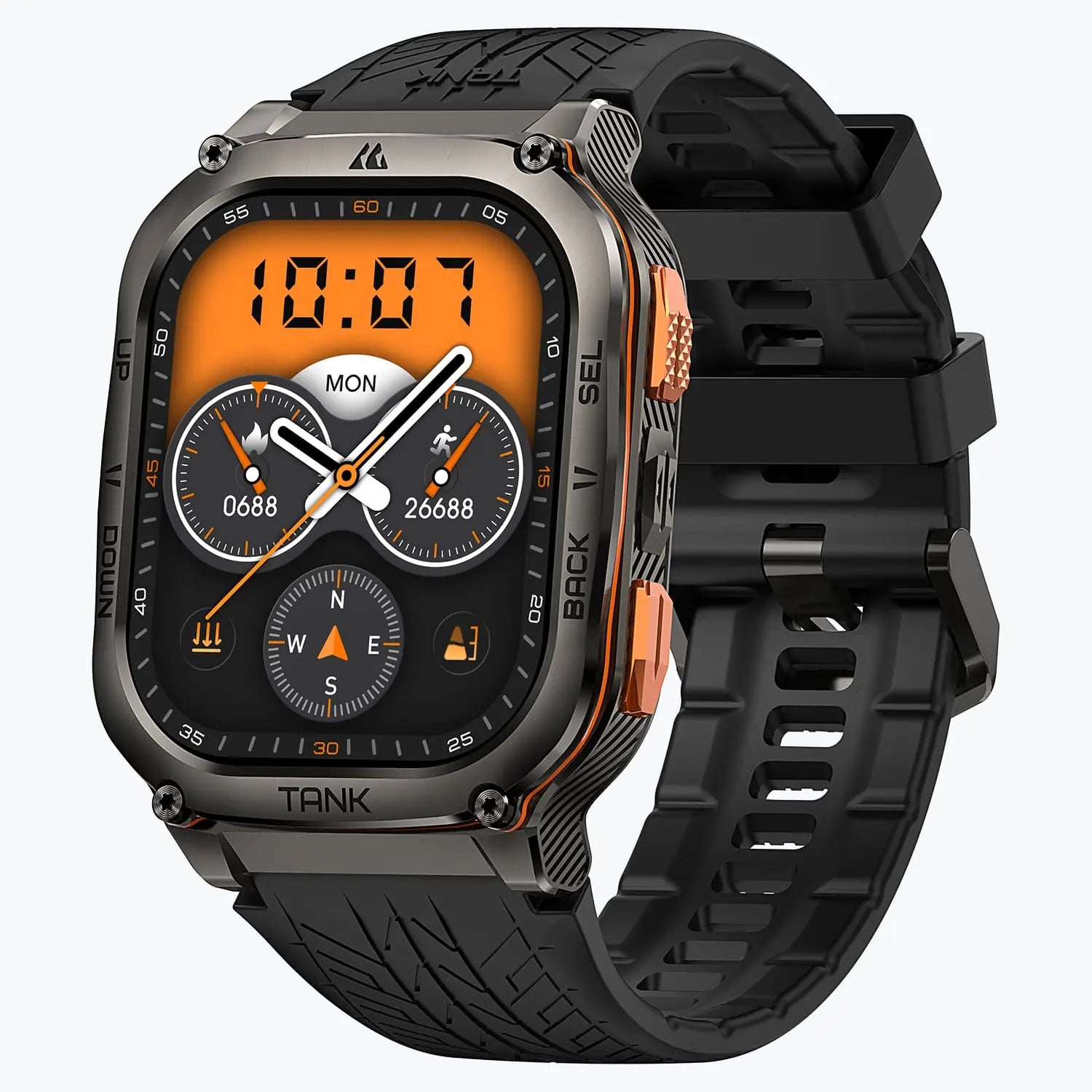
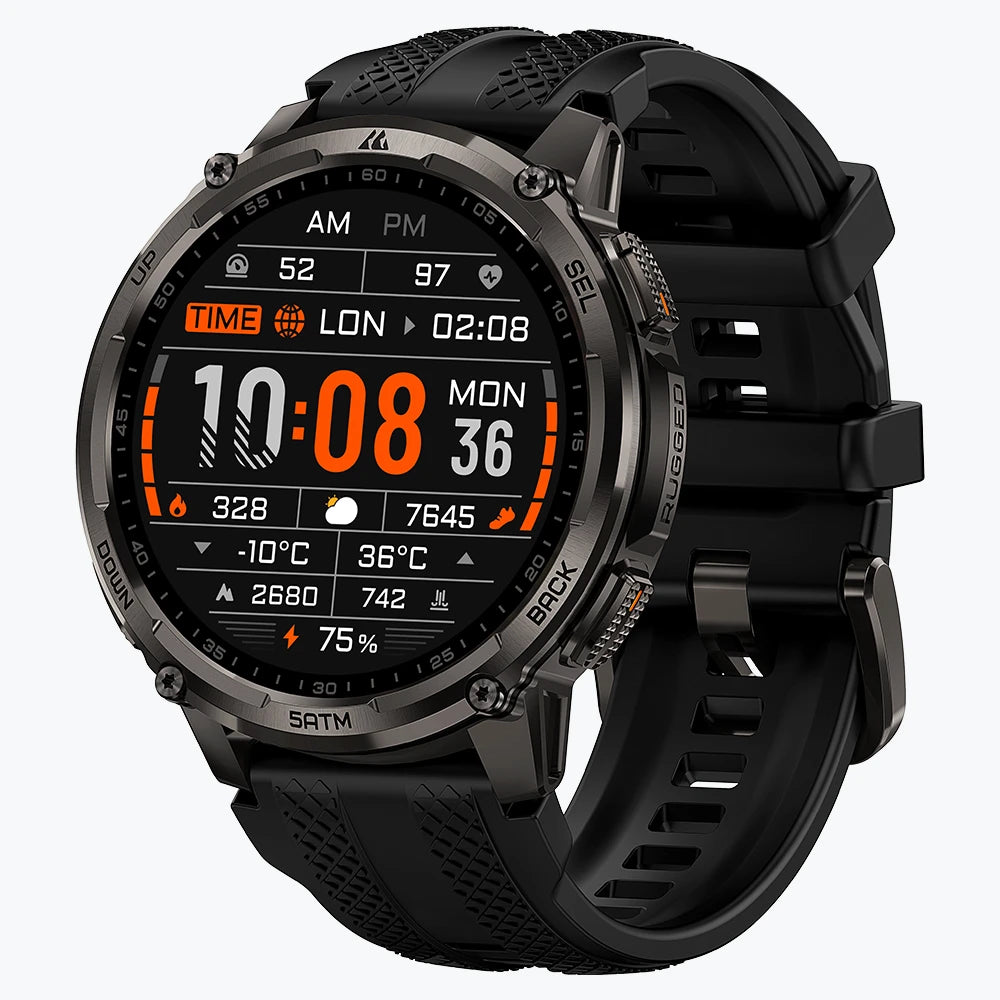
The Kospet Tank M4 is a specialized tool built for deep water and harsh saltwater conditions. This device features a full stainless steel body known as the Inox 360 shield which protects the internal hardware from rust. It holds a high 10ATM rating and is certified to handle diving depths of up to 45 meters. This watch includes a professional dive mode that monitors your depth and water temperature.
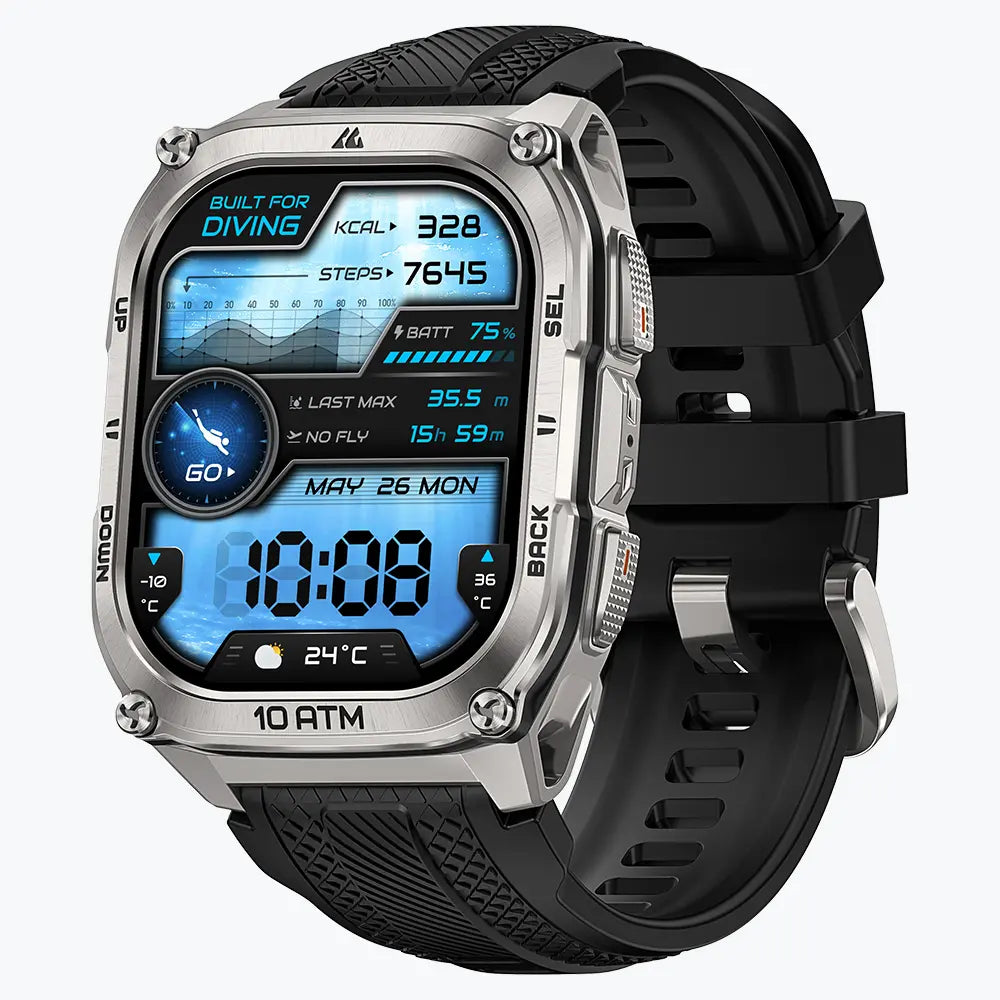
KOSPET TANK M4 Smartwatch
$209.99 USD
- Inox 360 Structure: The bezel and physical buttons consist of stainless steel to resist salt fog.
- IP69K Rating: This extra certification means the watch survives high pressure water jets and intense cleaning.
- SGS Certification: The watch passed twenty military tests for survival in extreme heat and shock.
- Corning Gorilla Glass: A thick glass layer protects the display from being scratched by sand or rocks.
This level of engineering is much stronger than what you find in a basic smartwatch. Many athletes choose this model because it combines rugged metal parts with professional dive tracking software on a large screen. Having a watch that is built for the ocean gives you more confidence when you dive beneath the surface.
Design Standards and Materials for Saltwater Resistant Wearables
Watches made of titanium or marine grade steel last longer in salty conditions because they do not rust easily. Manufacturers build high end sports watches with these specific metals to resist the harsh environment of the sea. Plastic or cheap aluminum cases might crack or discolor after many trips to the beach.
- Titanium Casing: This material is lightweight and resists salt better than standard steel.
- Sapphire Crystal: This glass is very hard and stays clear even when sand rubs against it.
- Inductive Buttons: These buttons do not have physical holes for water to enter the casing.
- Silicone Straps: Synthetic materials do not rot or hold salt like leather or cloth.
Some specialized watches use inductive buttons that do not have physical holes for water to enter the casing. These design choices make a significant difference for people who spend hours in the surf every week.
Impact of Ocean Conditions on GPS Tracking and Heart Rate Accuracy
Saltwater blocks radio signals and reflects light which makes GPS and heart rate data less accurate during a swim. The salt in the water acts as a shield that prevents the GPS antenna from connecting to satellites when your wrist is underwater. This leads to jagged lines or missing distances on your activity map after you finish your workout.
Additionally the green light from the optical heart rate sensor reflects off the bubbles and salt in the water. This reflection creates noise that makes it hard for the sensor to read your pulse correctly during a swim. Swimmers who need perfect data often use a chest strap that stores the information and sends it to the watch later. submerged.
Rinsing and Drying After Open Water Swimming
Rinsing your watch with fresh water after every swim is the most important step to keep it working for years. This simple action washes away the salt and sand before they have a chance to dry into hard crystals. You should submerge the watch in a bowl of clean tap water for several minutes to reach the salt hidden inside the speaker holes and around the buttons.
The Three Step Cleaning Routine:
- Rinse: Use a gentle stream of fresh water to remove large sand particles.
- Soak: Leave the watch in a bowl of clean water for ten minutes to dissolve hidden salt.
- Dry: Use a soft cloth to remove moisture and let the charging port air dry completely.
Avoid using soap or harsh chemicals because these liquids damage the protective coatings on the screen and the seals. Always dry the watch with a soft cloth and wait for the charging port to be completely moisture free before plugging it in. Consistent maintenance is the only way to prevent the long term damage caused by the ocean.
Analysis of Warranty Policies Regarding Liquid and Saltwater Damage
Most companies do not pay for repairs when a watch breaks due to water entering the case. Even though a watch has a waterproof label the warranty often lists water damage as an exclusion. Manufacturers argue that seals wear out over time or that users might exceed the depth limit of the device.
You should check the condition of the glass and the buttons for any small cracks before you dive into the ocean. A small chip in the screen provides a path for saltwater to reach the processor and cause permanent damage. If the watch stops working after a swim the repair shop will likely find signs of corrosion inside. Most standard electronic warranties state that liquid ingress is the responsibility of the owner. This means the owner must pay for the replacement out of their own pocket.
Conclusion
Protecting your smartwatch in the ocean requires a balance of choosing the right hardware and following a strict cleaning habit. While the sea is a harsh environment for electronics modern engineering makes it possible to track your performance in open water safely. Always remember to rinse the device and inspect the seals regularly to catch any signs of wear.
FAQs
Can I wear my smartwatch in a hot tub after swimming in the ocean?
Hot water is dangerous for smartwatches because heat causes the metal and rubber seals to expand. This expansion creates gaps that allow steam or leftover salt to enter the internal components. It is best to remove your watch before entering a hot tub or a sauna to protect the waterproof seals.
Does sand damage the screen or the buttons of my watch?
Sand is made of tiny rocks that are hard enough to scratch most glass screens. When sand gets trapped inside the buttons it prevents them from moving smoothly and can wear down the internal gaskets. Always use a gentle stream of water to wash away sand instead of rubbing it with a towel.
Is a screen protector helpful for ocean swimming?
A screen protector adds a valuable layer of defense against scratches from sand and underwater rocks. It does not help with water resistance but it keeps the display clear and prevents deep gouges that could eventually turn into cracks. Using a protector is a smart way to keep your watch looking new despite the rough conditions of the beach.