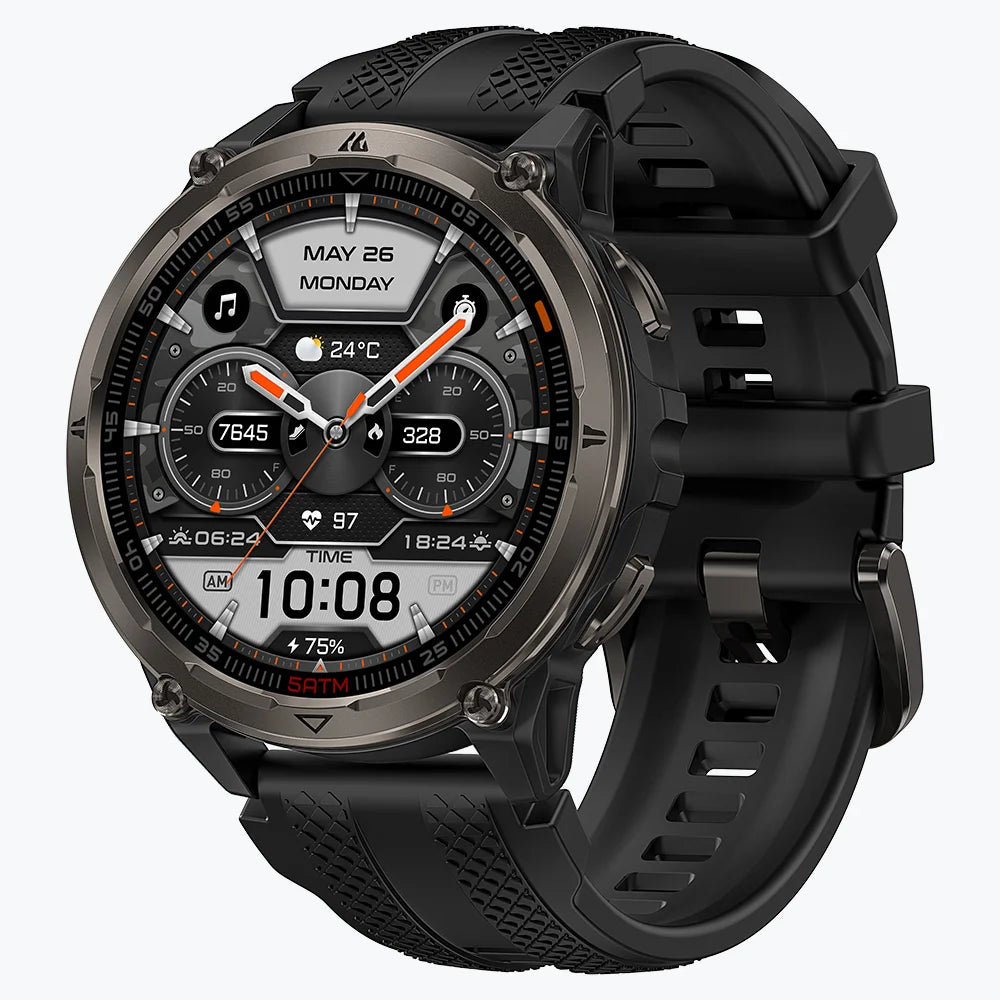
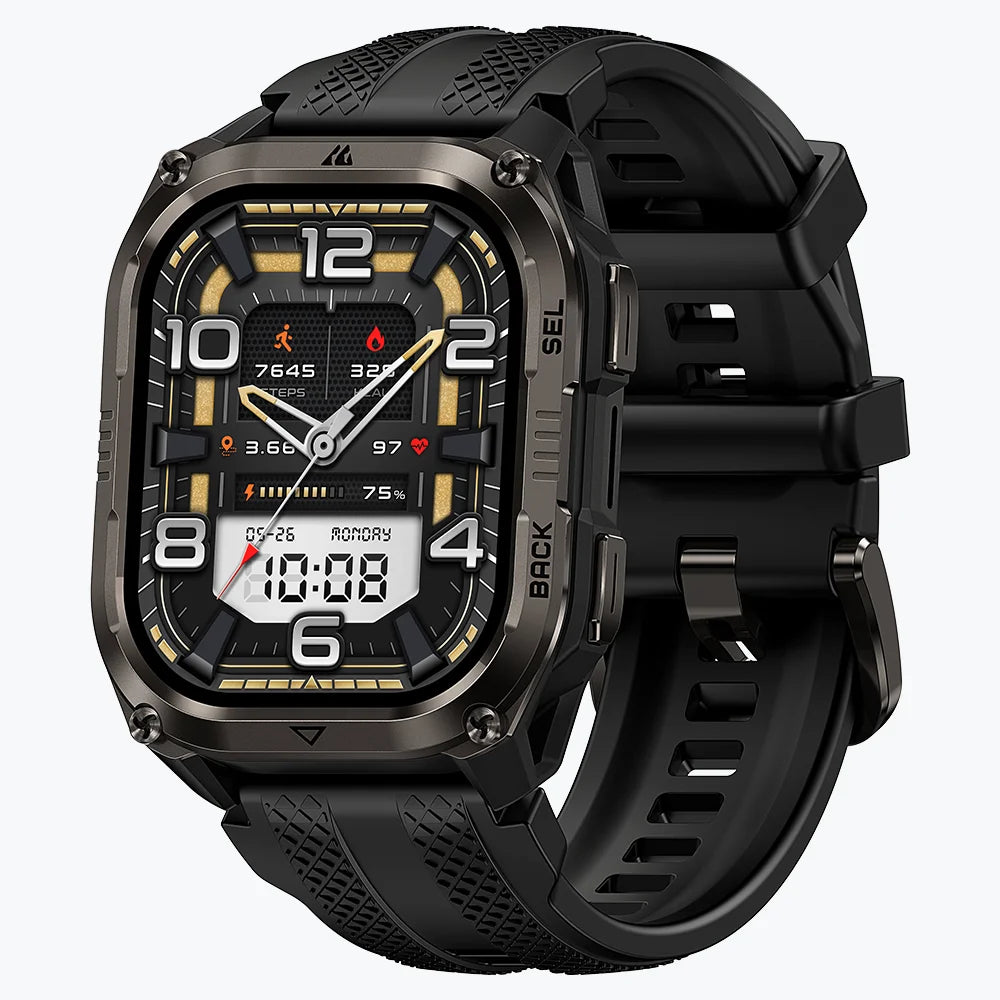
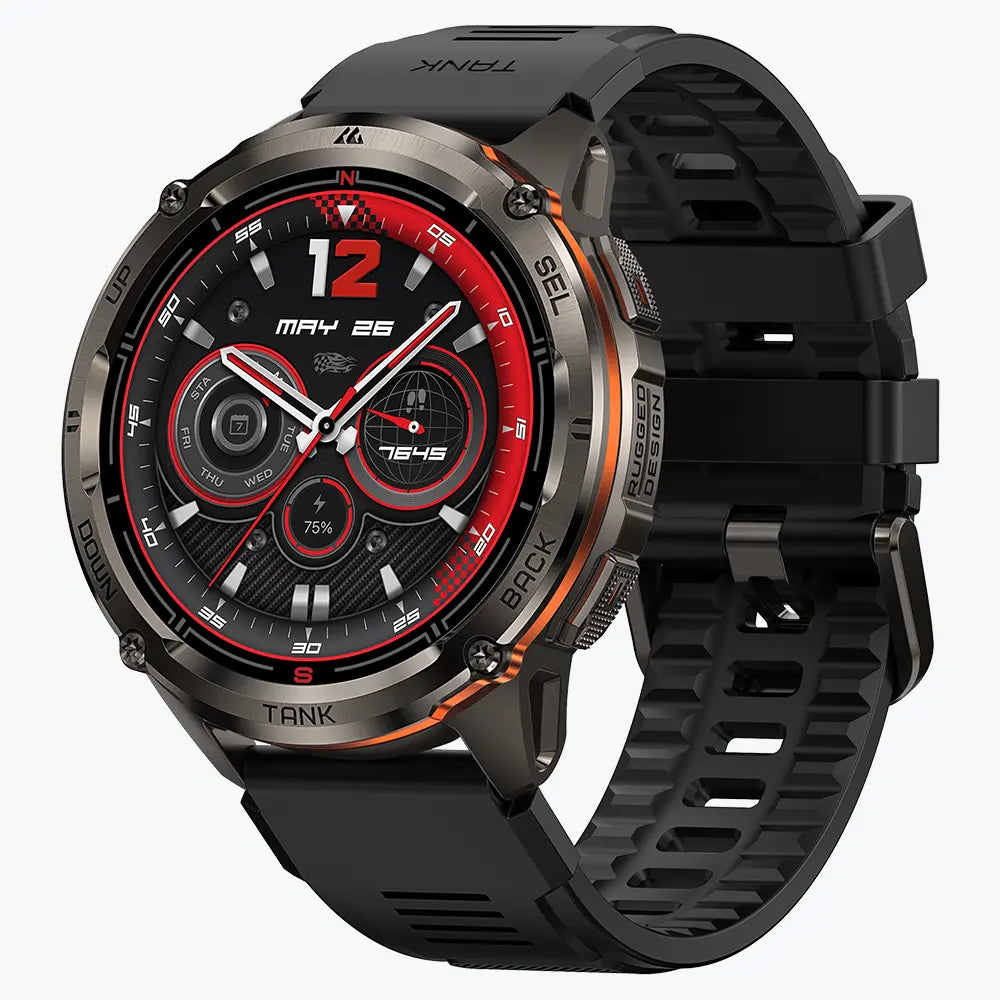
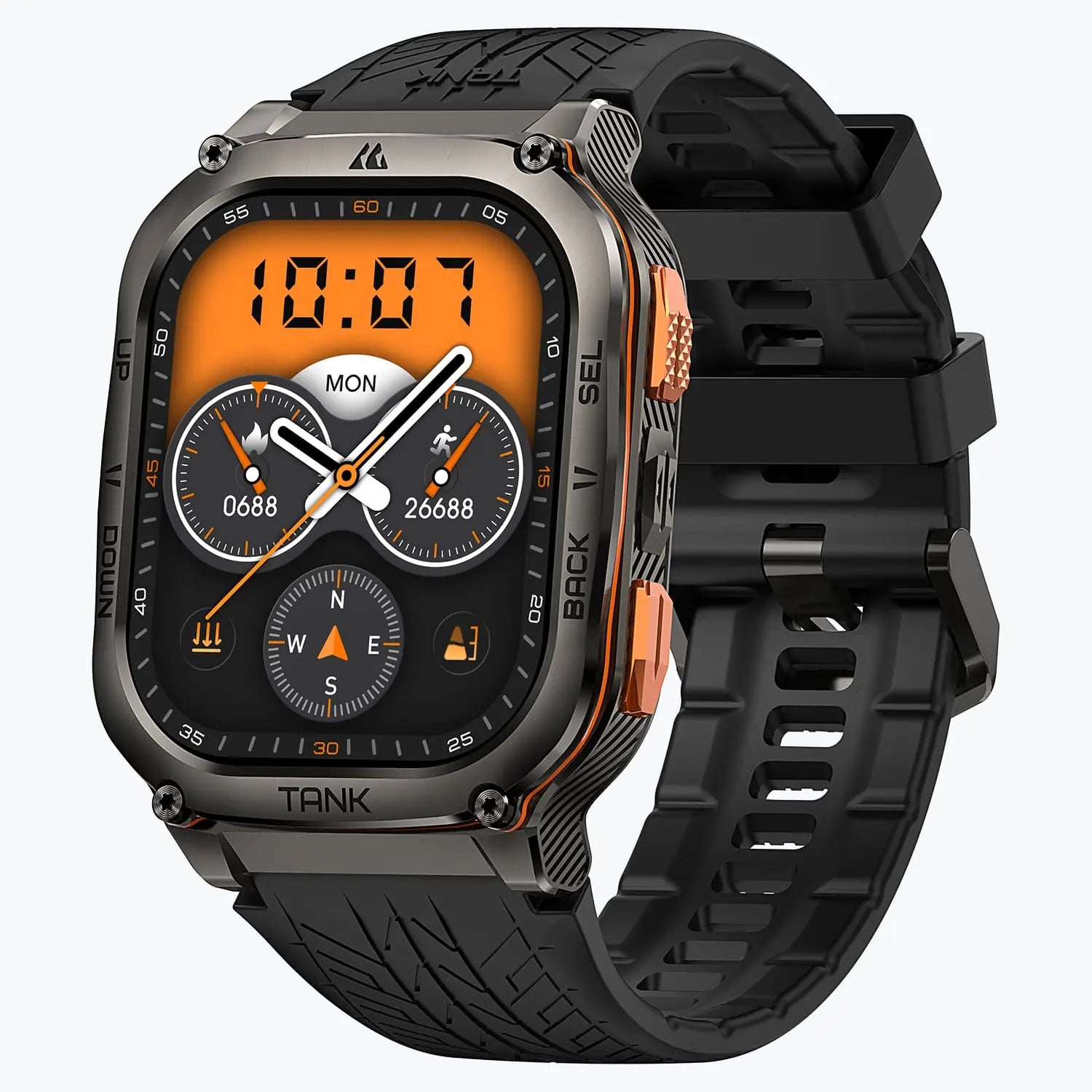


Using a smartwatch to monitor sleep is only effective when the data leads to a change in daily behavior. Many people purchase a smart watch with sleep tracking and expect their rest to improve overnight without making any lifestyle adjustments. These devices serve as tools for awareness rather than instant cures for exhaustion. The watch provides a window into nighttime patterns by recording heart rate and movement throughout the dark hours.
When a user understands the stories told by the data, they gain the power to fix the habits that keep them tired. This technology bridges the gap between how you feel and what is actually happening inside your body. This article explains how to move beyond just looking at a morning score and start making real changes for better health.

How Accurate is a Smart Watch with Sleep Tracking?
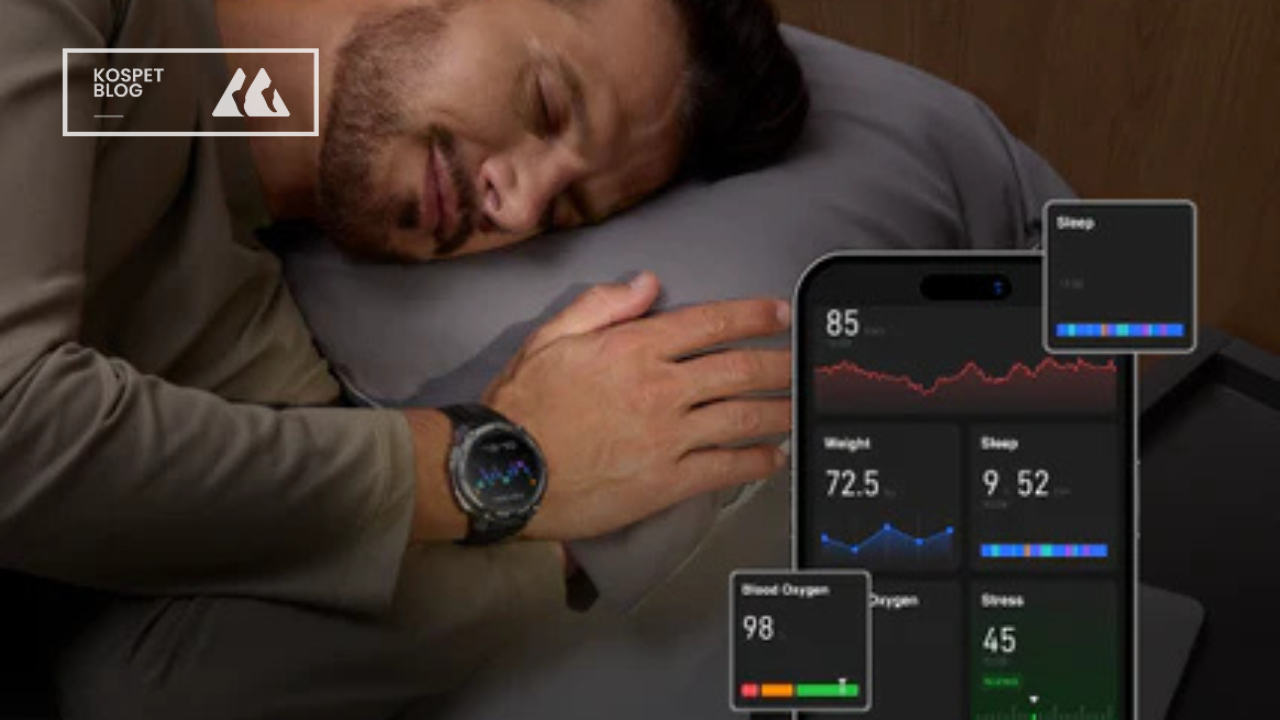
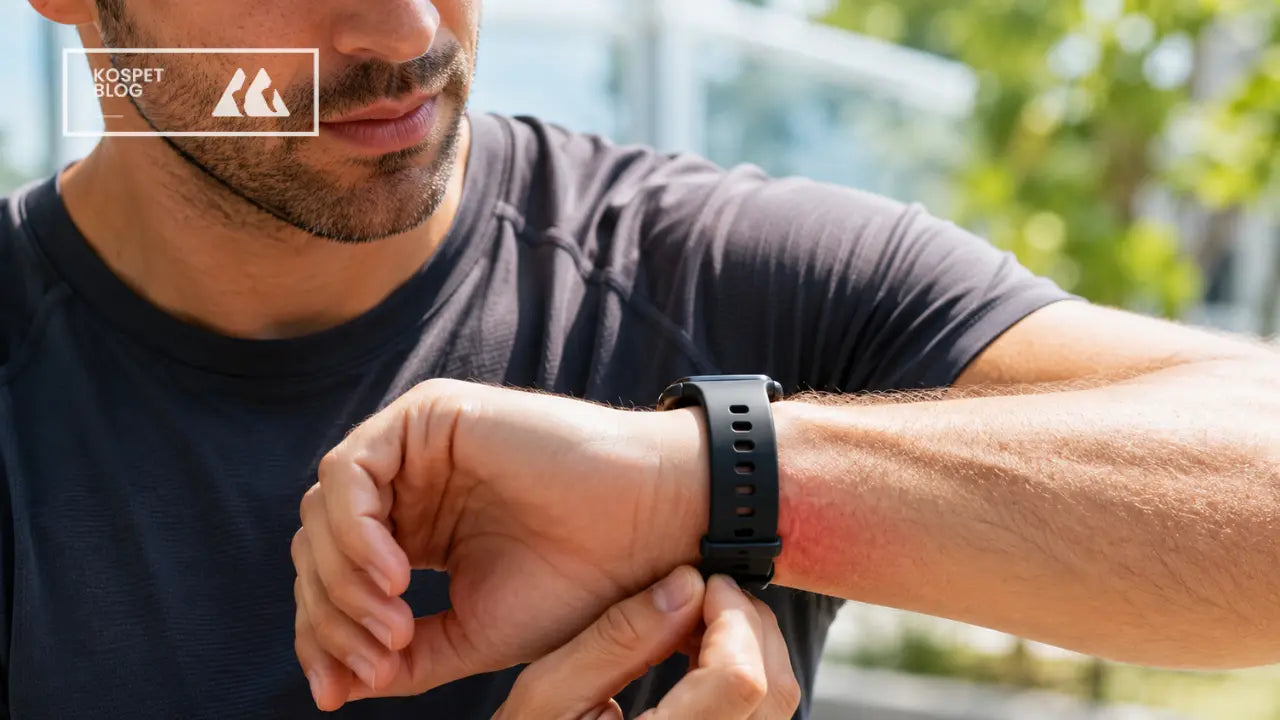
Smartwatches provide reliable trends for health even though they are not medical grade machines. A common doubt among users is whether a wrist-based device can actually see what is happening in the brain. These watches use green or red lights to measure blood flow through the skin. This technology is known as heart rate monitoring.
They also use motion sensors to track how much a person tosses and turns during the night. A hospital test uses sensors on the head to measure brain waves directly. A smartwatch uses heart rate and movement to estimate the sleep state instead.
The real value of these devices lies in data consistency over many weeks. When the watch shows a steady decline in quality over seven days, that trend is almost always accurate. This consistency allows you to see the big picture of your health. You should focus on these long-term patterns instead of worrying about the exact minute you woke up or fell asleep on a single night.
Understanding Your Sleep Stages: Deep vs. REM Sleep
Different sleep stages handle different types of recovery for the body and the mind. Understanding these stages explains why a person might feel physically tired or mentally foggy the next morning. Quality rest is about the balance between different cycles.
- Deep Sleep: This stage is essential for physical recovery. The body repairs muscles and strengthens the immune system during this time.
- REM Sleep: This stage focuses on the brain and emotions. It helps with memory and keeps the mind sharp for learning new things at school or work.
- Light Sleep: This stage acts as a transition point. It helps the body process memories and regulate metabolism.
The following table shows how these stages impact your daily life:
| Sleep Stage | Primary Function | Result of Lack of This Stage |
|---|---|---|
| Deep Sleep | Physical Repair | Feeling physically weak or sore |
| Light Sleep | Memory Processing | Feeling like the sleep was too thin |
| REM Sleep | Mental Health | Feeling grumpy or forgetful |
When a watch shows a lack of deep sleep, the body likely needs more time to recover from exercise. When the REM sleep is low, the brain is likely suffering from too much stress or screen time before bed. You can use these insights to decide when to take a nap or when to go to bed earlier.
How HRV and SpO2 Improve Your Sleep Quality
Monitoring specific health markers like heart rate variability and blood oxygen provides a warning system for stress. Heart rate variability, which is often called HRV, is one of the most important metrics in wearable technology today. This number measures the tiny time gaps between each heartbeat to see how the nervous system is handling pressure.
A high HRV usually means the body is well-rested and ready for a busy day. A low HRV often signals that a person is overworking or perhaps getting sick. This metric tells you when your body needs a break even when you feel okay.
Another helpful metric is oxygen saturation which measures the oxygen levels in the blood. Some people stop breathing for short moments during the night. This condition causes the blood oxygen level to drop and forces the heart to work harder.
Seeing these numbers on a watch helps a person decide when to see a doctor for a professional checkup. It also helps athletes know when to take a rest day from sports to avoid injury. Tracking these hidden numbers gives you a deeper look at your internal health.
Using Sleep Tracking to Build Better Daily Habits
Your smartwatch acts as a personal laboratory to test how lifestyle choices impact your rest. Sleep hygiene is a term for the habits that help a person fall asleep and stay asleep. Many users do not realize that drinking a soda with caffeine in the afternoon or eating a large meal late at night changes their heart rate for many hours.
By looking at the watch data the next morning, a person can see exactly how these choices ruined their rest. This feedback makes it easier to say no to habits that hurt your health.
Users can run small experiments to improve their results:
- The Screen Test: Compare sleep scores after using a phone in bed versus reading a paper book.
- The Temperature Test: Check if a cooler room leads to more deep sleep cycles.
- The Caffeine Test: Stop drinking soda after two in the afternoon and watch the HRV numbers.
- The Exercise Test: See if a morning workout leads to better sleep than a late night workout.
This direct link between actions and data makes it easier to stick to better routines. The watch provides the evidence needed to stop bad habits for good.
Picking a Wearable: Comfort and Battery Life Matter
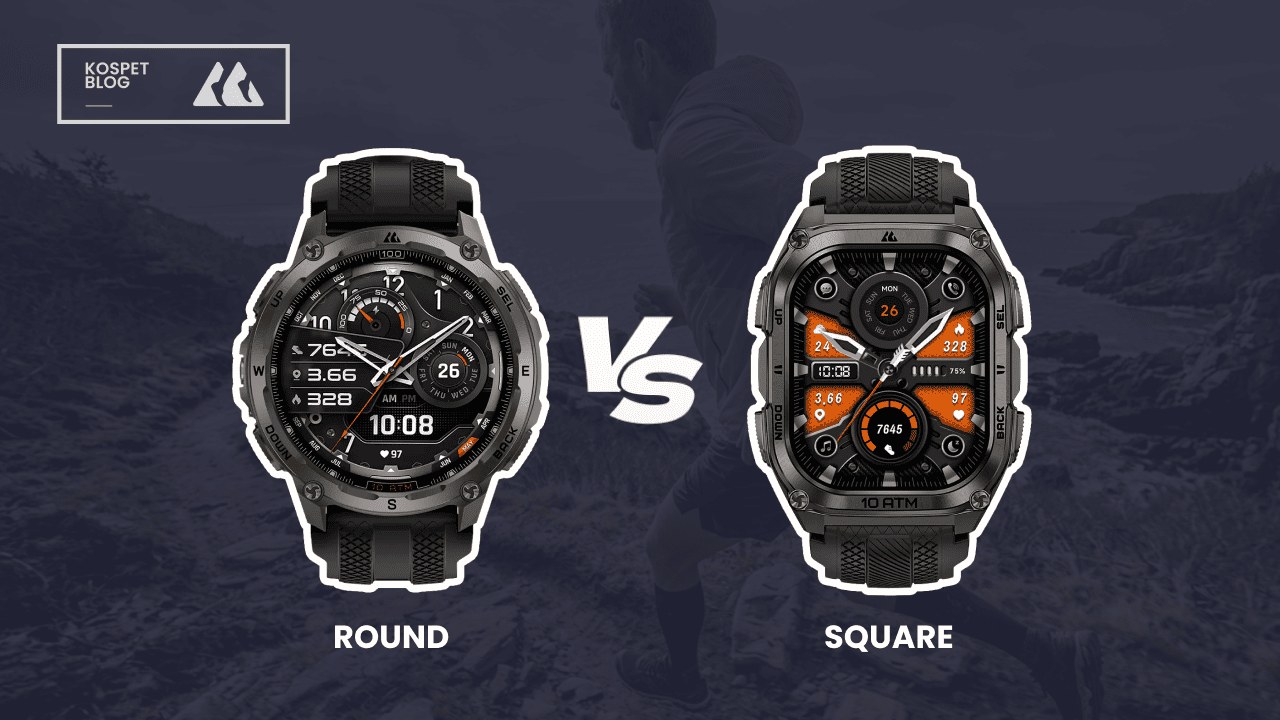
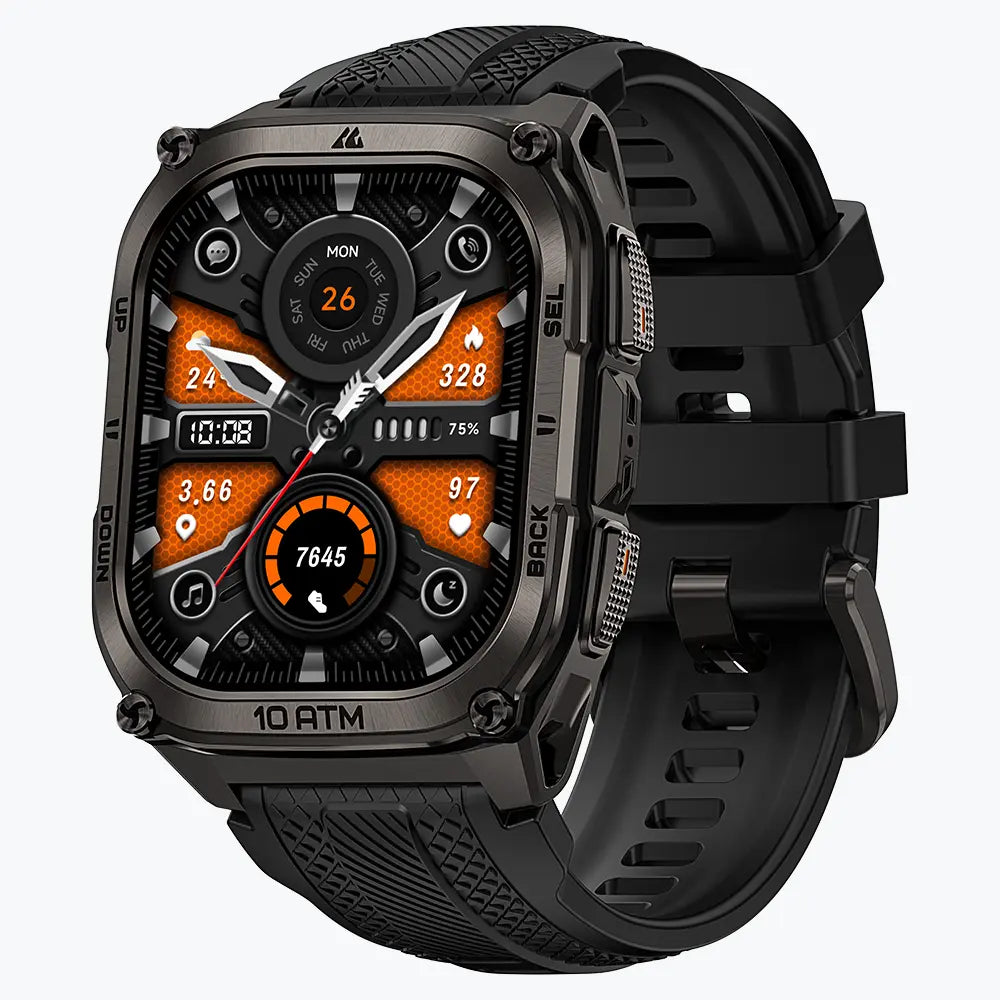
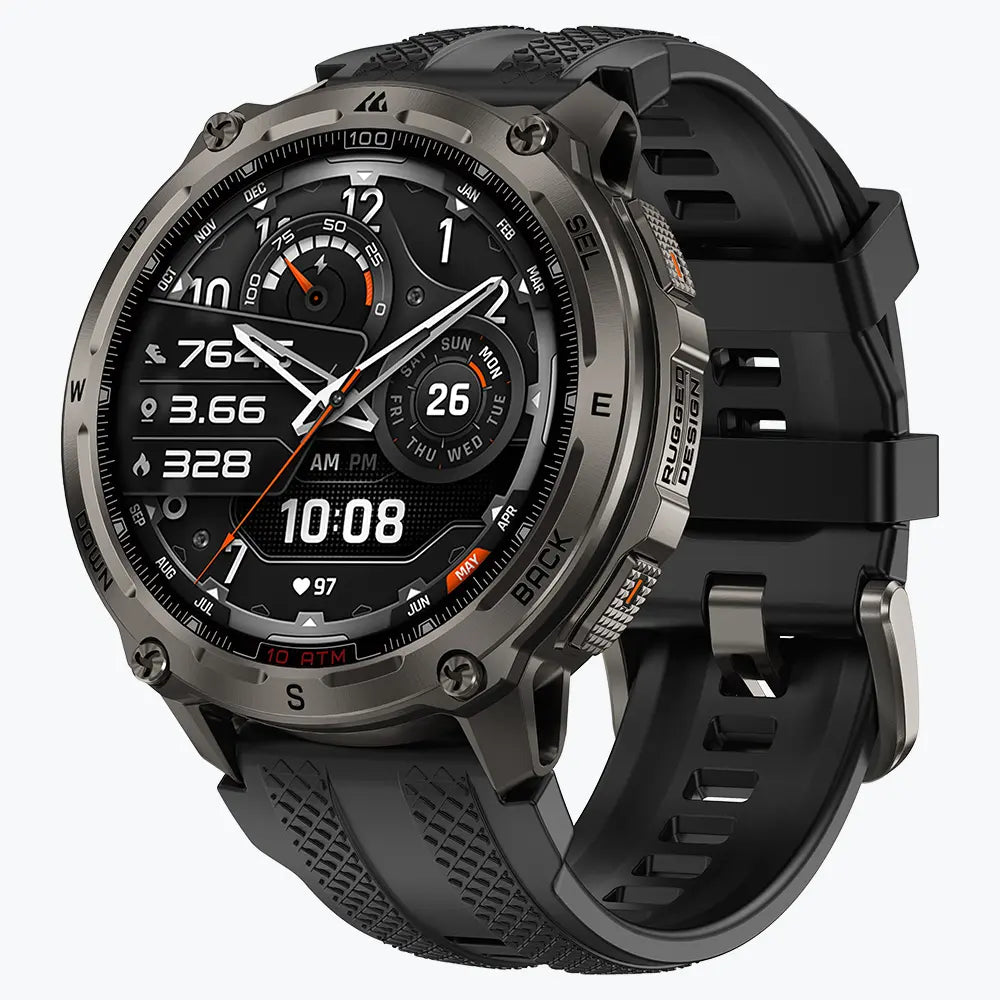
A comfortable watch with a long battery life is better for sleep tracking than a bulky device with many extra features. The physical design of the watch determines whether a person will actually wear it every night. Many people buy large watches that feel uncomfortable against the wrist when they turn over in bed.
An uncomfortable watch can actually cause a person to wake up more often. This discomfort defeats the whole purpose of tracking your rest.
Battery performance is also a major factor for long term success. When a watch needs to be charged every single night, the user will eventually miss days of data. This causes gaps in the records and makes it hard to see long-term trends.
The best device for sleep is one that feels light on the arm and stays powered for several days at a time. Choosing a simple and comfortable device ensures that the data remains complete and helpful for your health journey.
Conclusion
The true power of a smartwatch lies in its ability to teach a person about their own body over time. It is easy to get lost in the numbers, but the goal is always to feel more energetic during the day. When a person uses the watch as a guide, they stop guessing why they are tired and start knowing exactly what to change.
Consistent tracking leads to better habits, and better habits lead to the deep and refreshing sleep that everyone deserves. This technology helps you take control of your health one night at a time.
FAQ
Is the sleep score on my watch 100% accurate?
The score is an estimate based on heart rate and movement rather than brain activity. It is very reliable for showing whether your sleep is getting better or worse over several weeks even without medical precision.
Why does my watch say I am awake when I do not remember waking up?
The watch detects small movements or heart rate spikes that occur during light sleep. These moments are normal, but a high number of them might mean your room is too loud or too bright.
Can a smartwatch fix my sleep problems by itself?
A watch is only a tool for gathering information. It cannot fix sleep problems unless you use the data to change your habits, such as setting a consistent bedtime or avoiding bright lights before sleep.