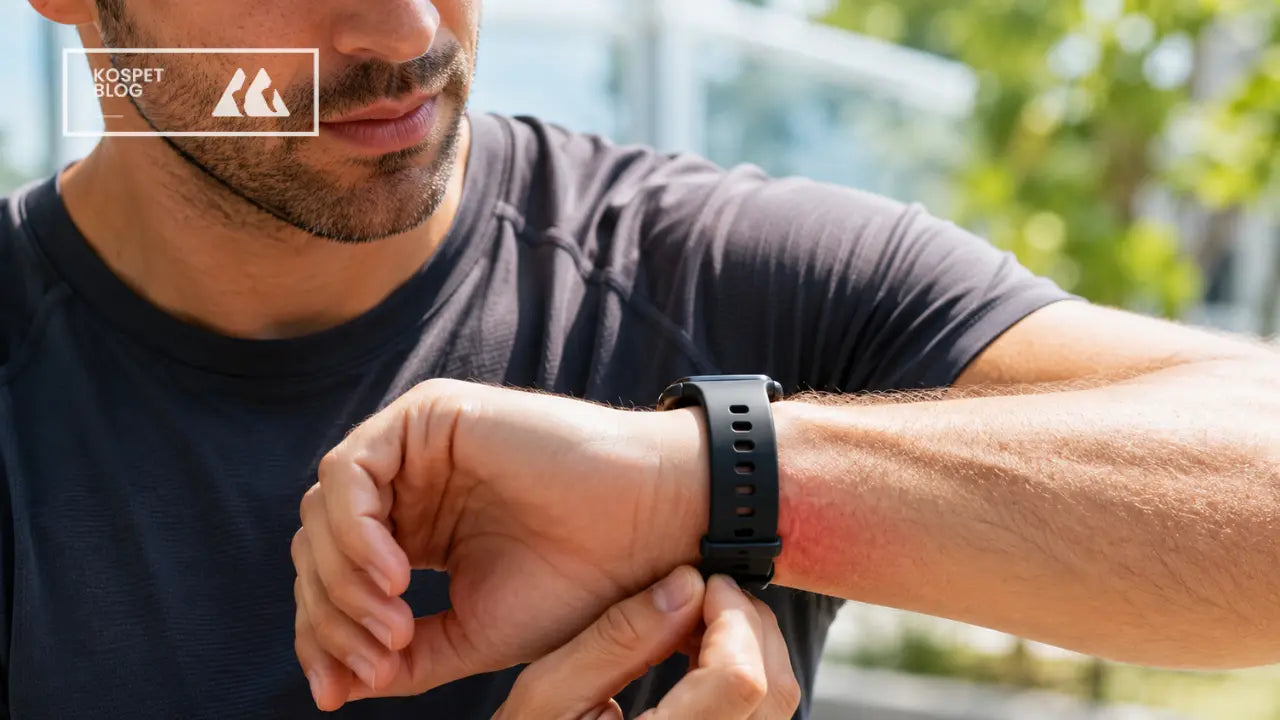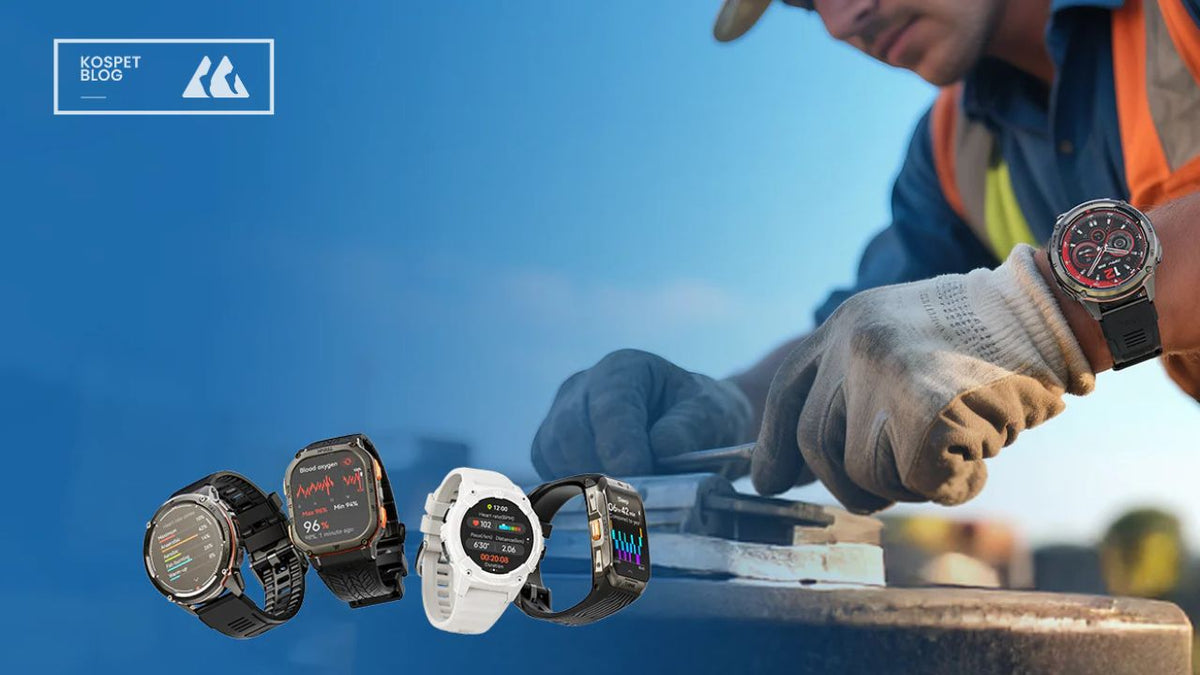


Have you ever finished a run and found that your watch drew your route through a building or across the wrong street? That can happen when the watch has trouble locating you from satellite signals.
Dual-band GPS can help in places where signals are blocked or reflected, such as streets lined with tall buildings. But if you usually run under an open sky, a single-band watch may already give you the tracking you need. The useful question is where you run and what you want your route data to tell you.

Decoding L1 and L5 Frequencies to Fix Signal Drift
A GPS watch works out your location from signals sent by satellites. A single-band watch uses one signal frequency, commonly called L1. A dual-band watch can also use a second frequency, L5.
Imagine running beside a tall glass building. Some signals reach your watch directly; others bounce off the building first. Those delayed signals can make your recorded route jump away from the pavement you actually used. Using two frequencies gives a compatible watch more information to work with when calculating your position. GPS.gov explains L1 and L5 and why combining signals can improve positioning.

Dual-band GPS helps most when reception is difficult. It cannot locate you perfectly if a tunnel or building blocks the signals altogether.
Accuracy Test: Urban Canyons vs Dense Forest Canopies
Tall buildings and thick trees create two common challenges. Buildings can both block and reflect signals. A dense tree canopy can weaken the signals reaching your watch. The result may be a route line that cuts across a block, wanders off a trail, or records a pace change when you have kept running steadily.

There is a useful real-world reference: a published study of eight sports watches measured recorded distances in urban areas, forests, and an open track area. The watches generally recorded distance less accurately in the city and forest settings. This shows why the surroundings matter when judging GPS performance.
When comparing a single-band and a dual-band watch, look at recordings made on the same route, at the same time. Check the difficult sections closely: did the line stay on the correct street, follow turns, and remain on the trail beneath the trees? Check the total distance too. Two watches can show similar distances even when one has drawn part of the route in the wrong place.
Balancing Dual Band Accuracy with Your Battery Life
More demanding GPS settings can use more battery. That matters differently on a short run and an all-day hike.
For a city run, you may value a cleaner route more than the extra battery saved by a basic GPS setting. For a long event, check how many hours the watch can record with the GPS setting you plan to use. A general battery-life figure may refer to a different setting. Some watches offer an automatic setting that adjusts satellite use, but the available modes vary by model.
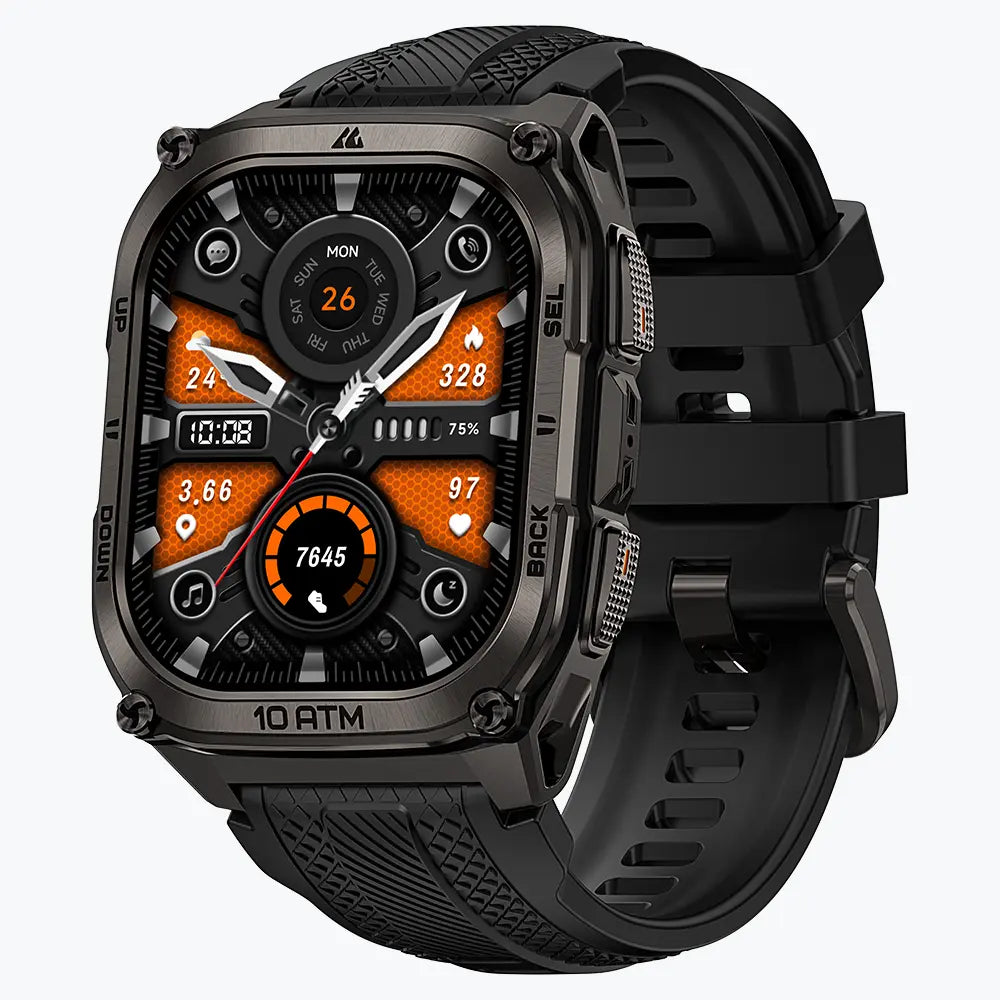
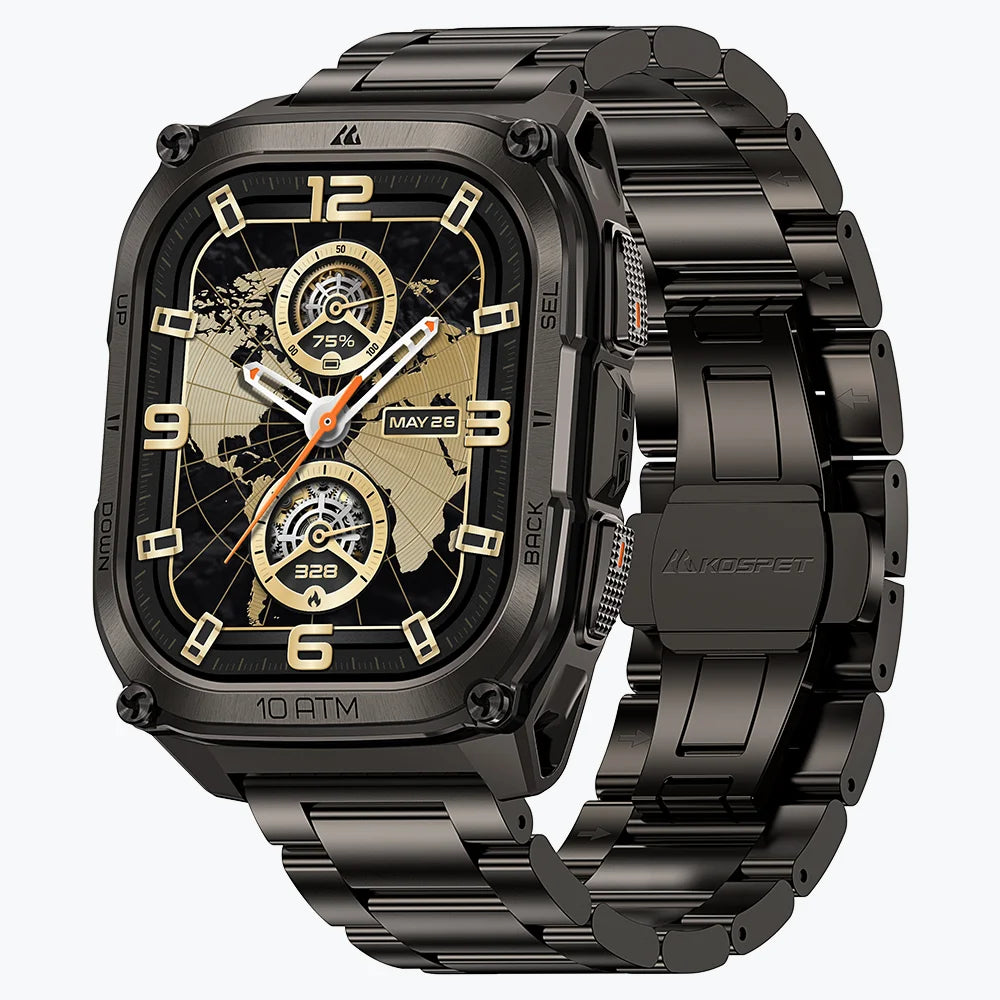
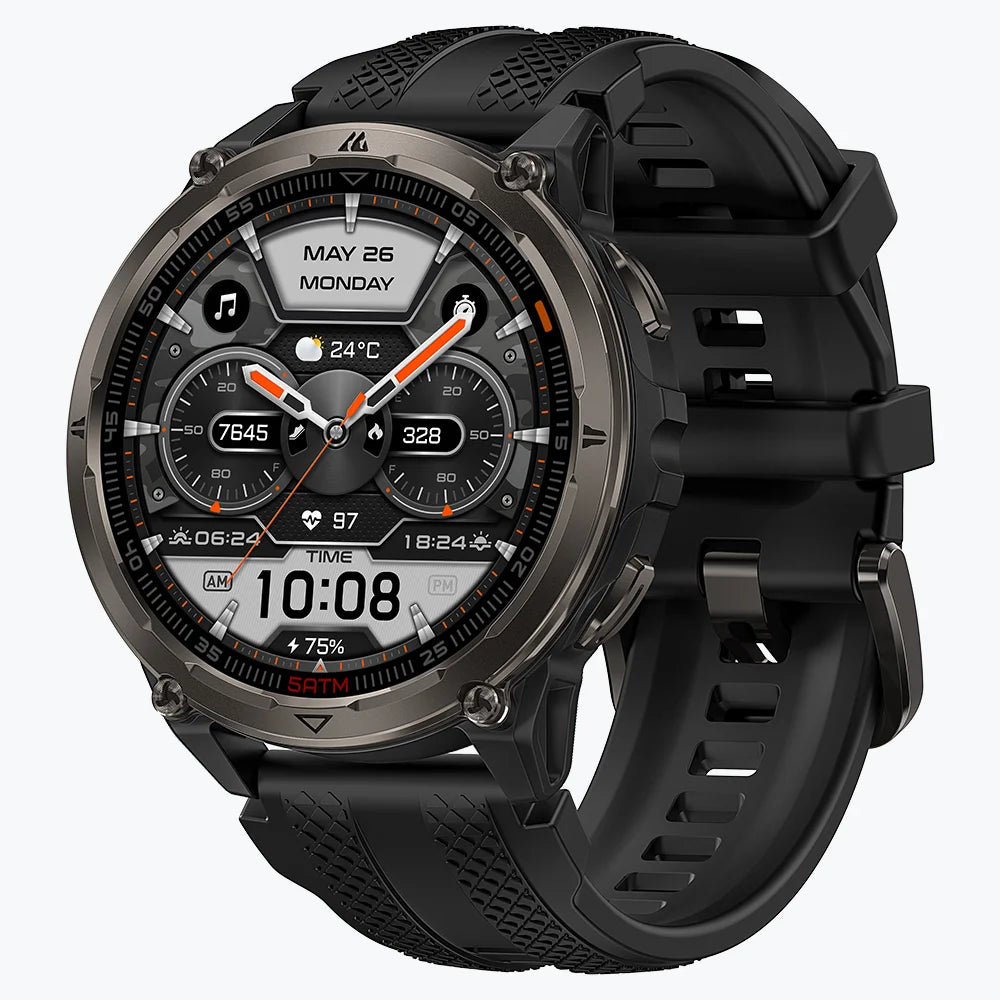
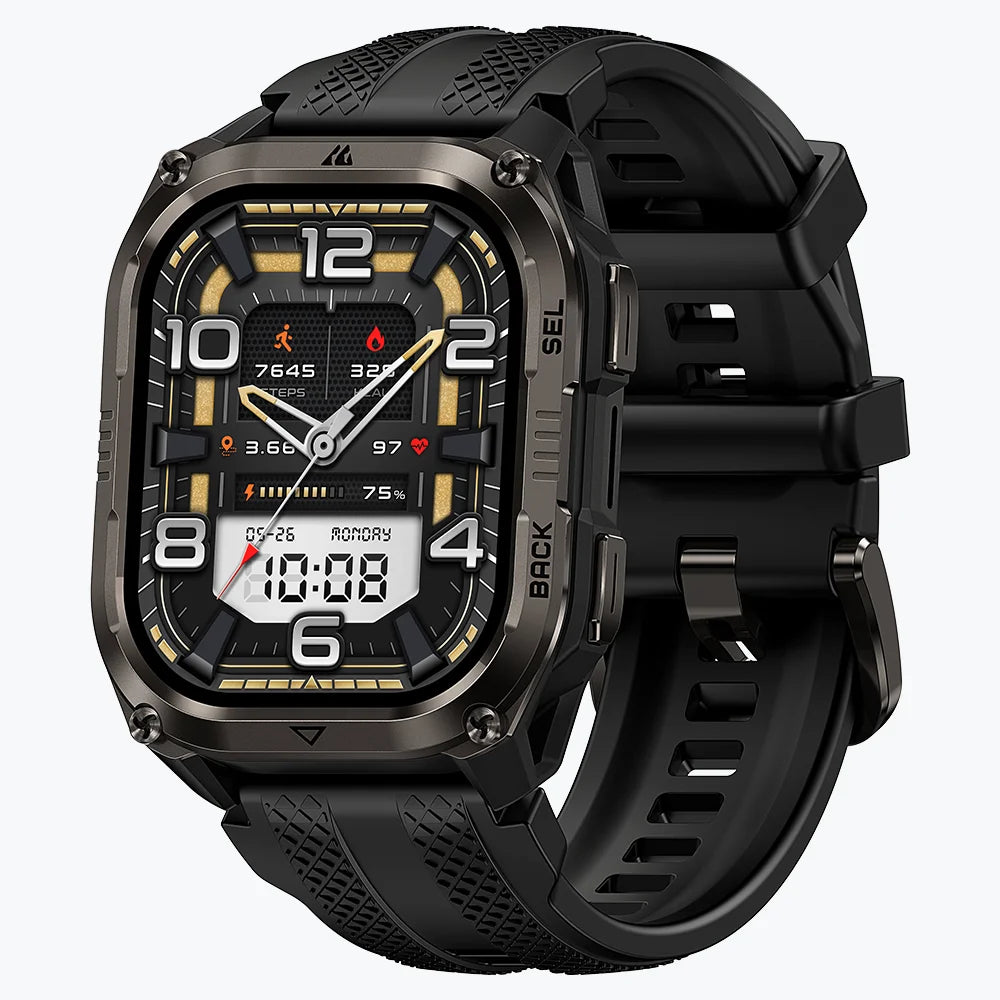
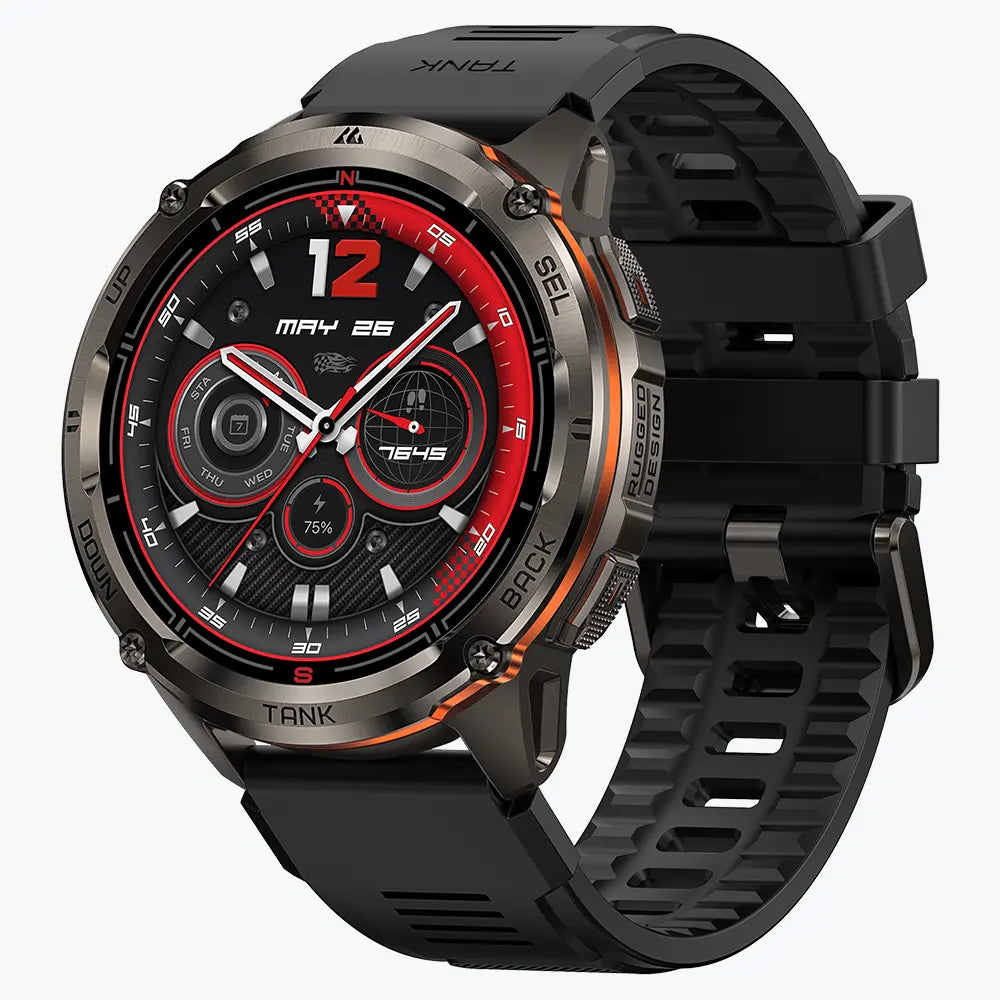
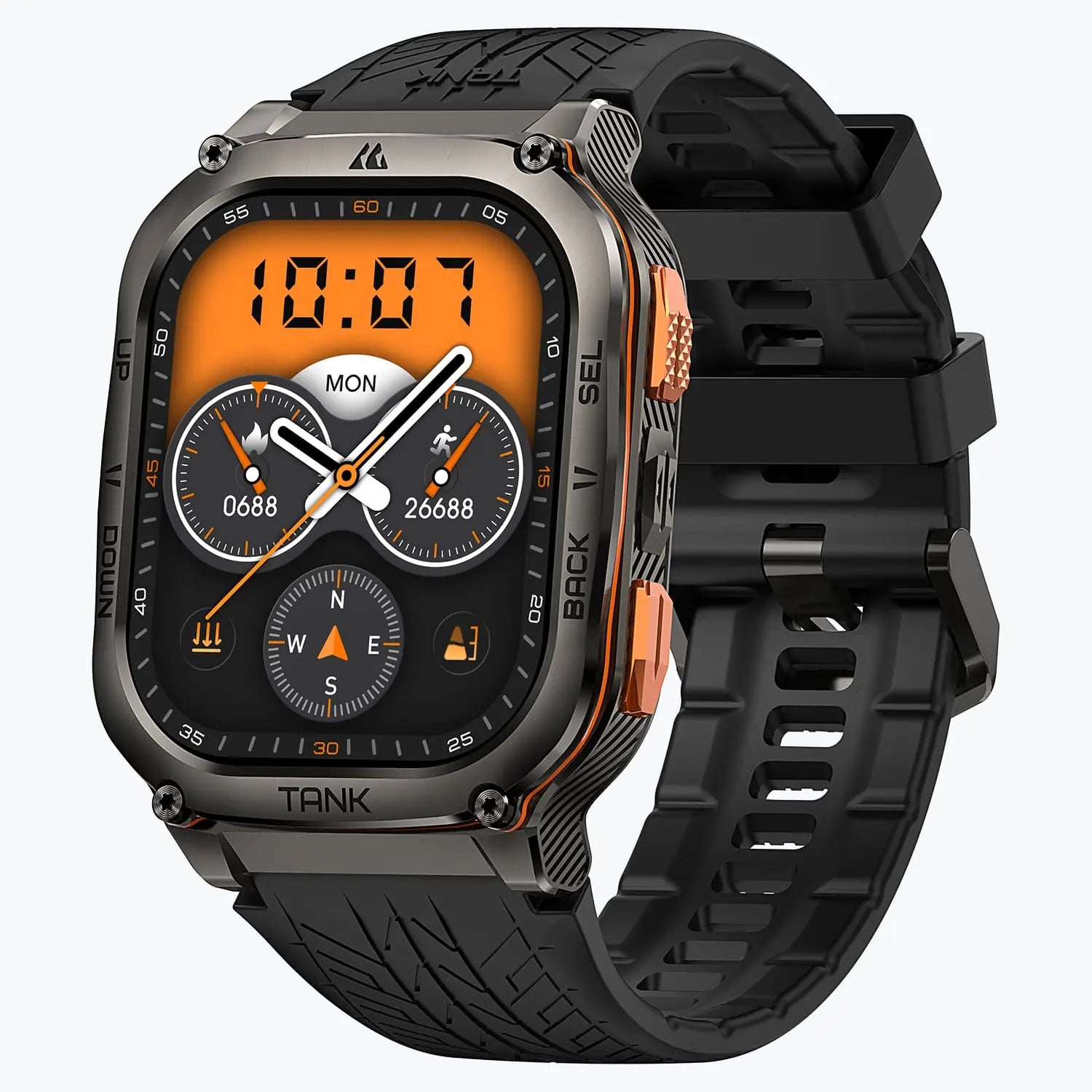
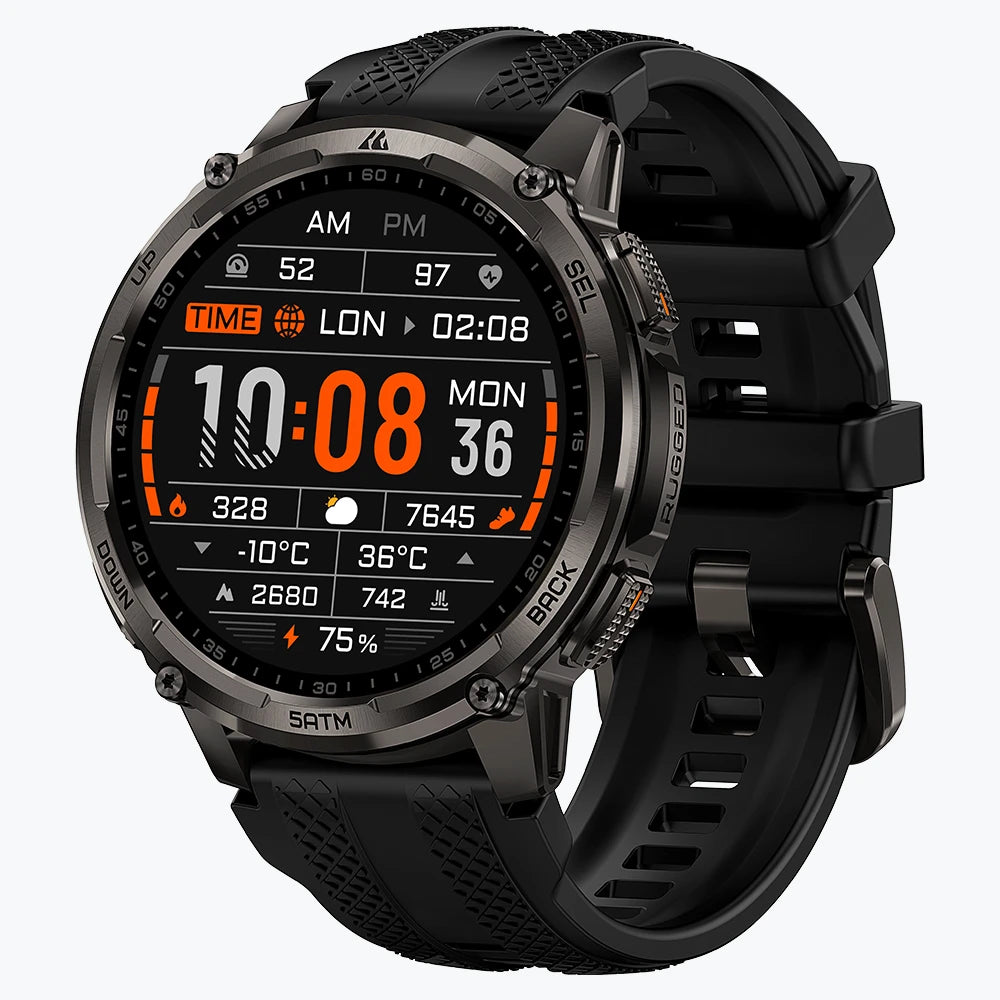
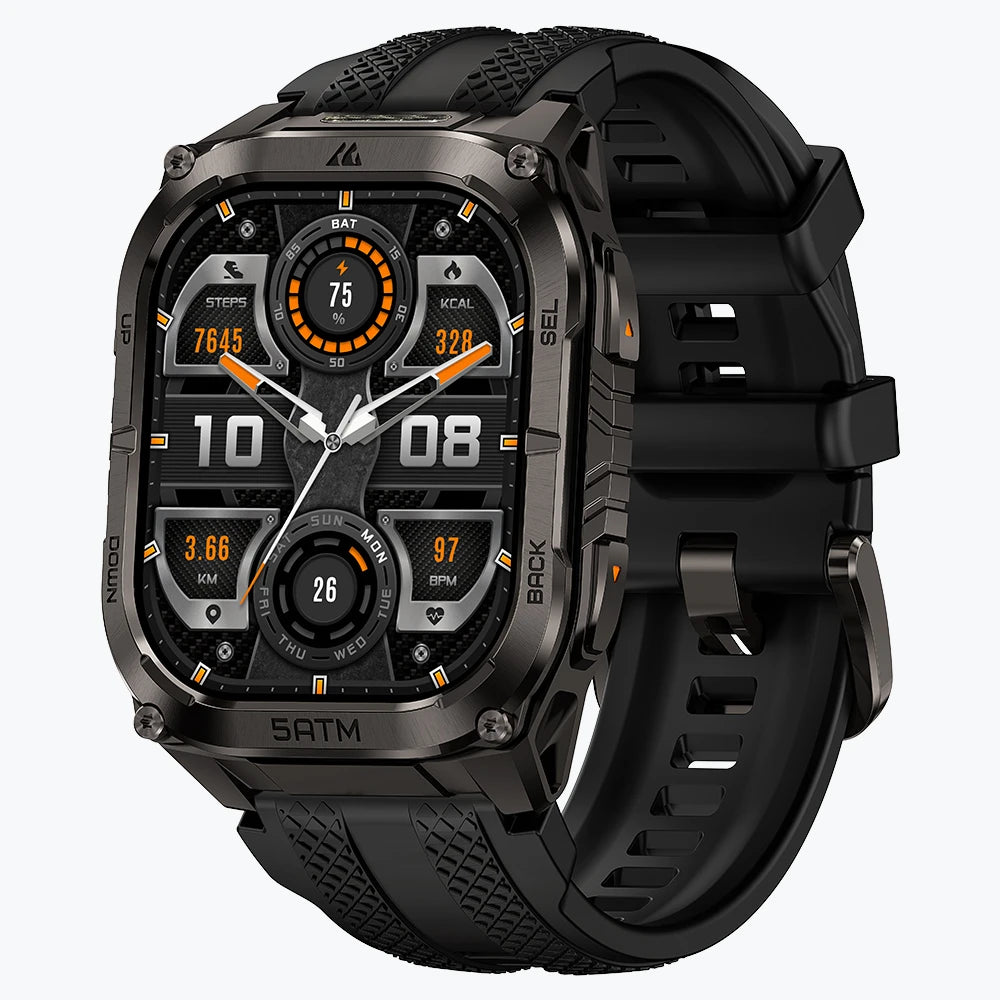
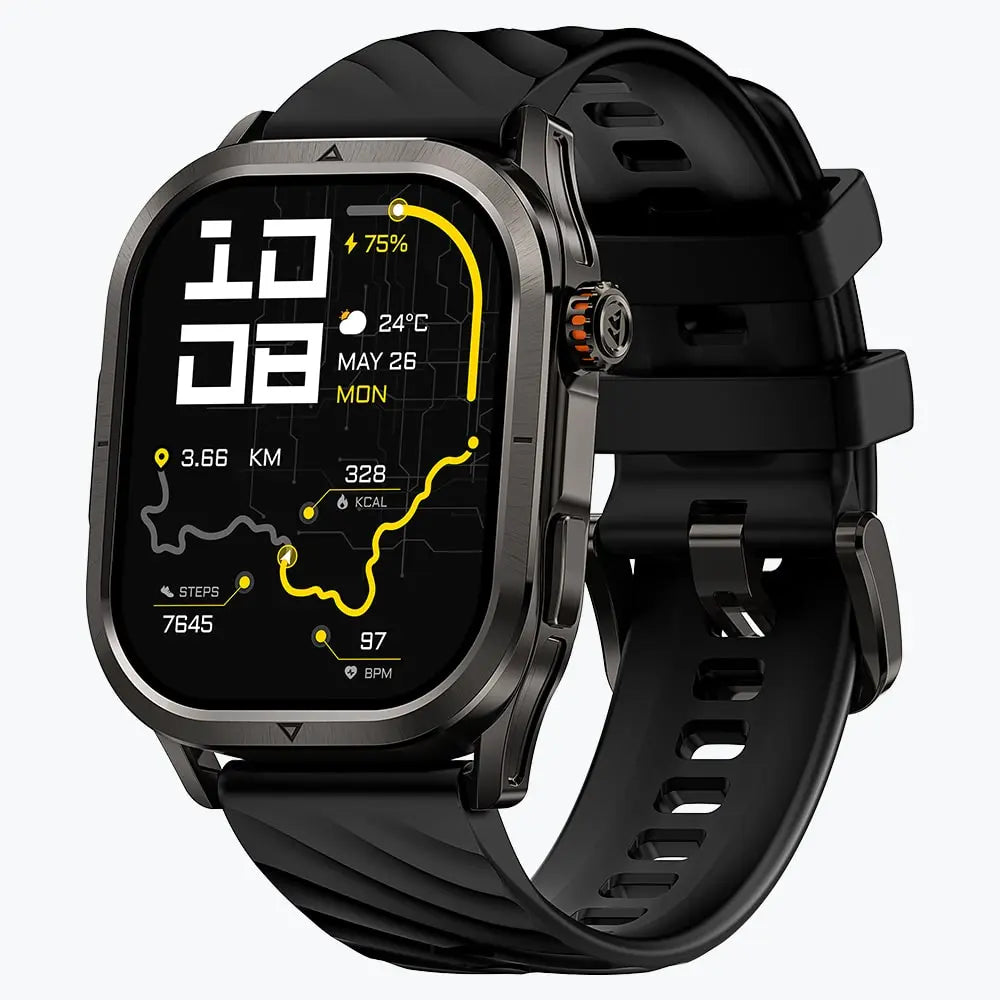
For example, KOSPET lists up to 21–22 hours of continuous GPS tracking for the TANK T4. That figure is a general GPS claim; check the watch’s settings and product information when planning a long activity with dual-band tracking.
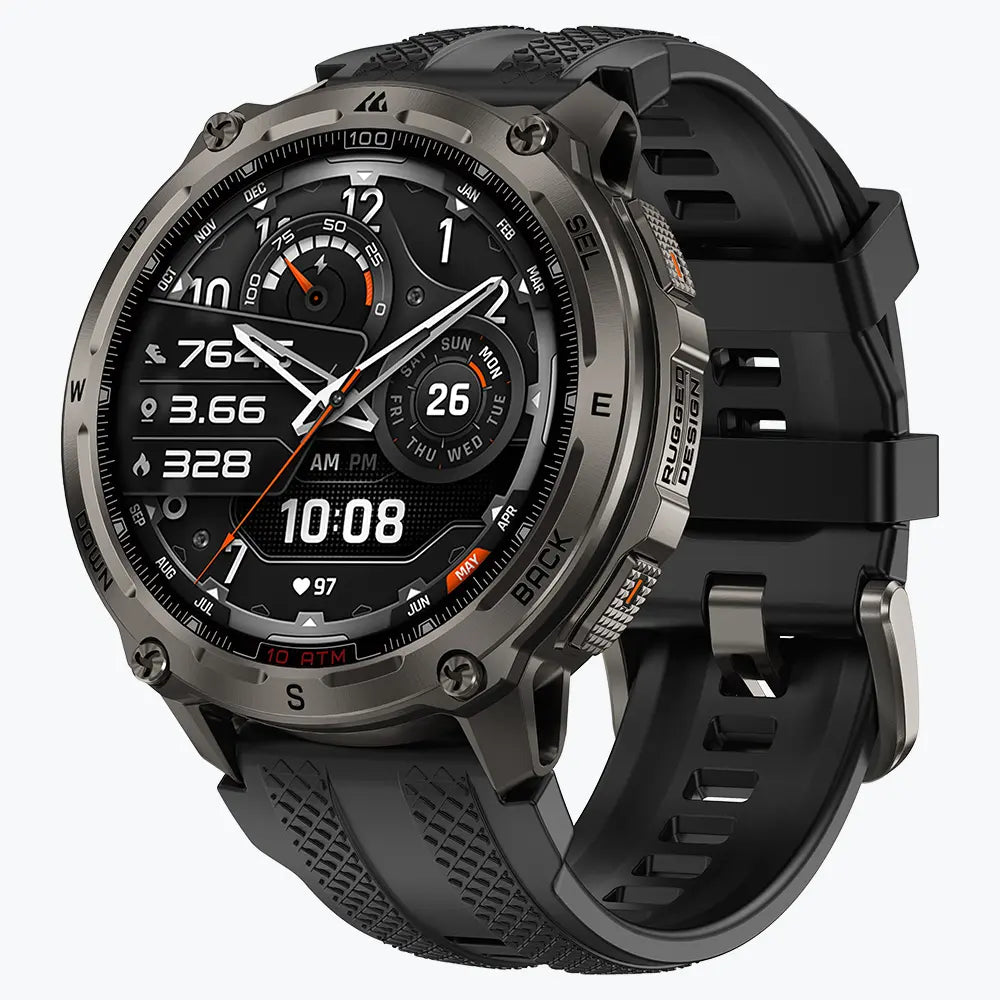
កូស្ពេត TANK នាឡិកាឆ្លាតវៃ T4
$209.99 USD
Market Leaders: Comparing Top Dual Band Sports Watches
Several sports watches offer dual-band tracking, but the best choice also depends on the features you will use alongside GPS:
- Garmin Forerunner 965: Offers multi-band GPS and a setting that manages accuracy and battery use automatically.
- Apple Watch Ultra 2: Combines dual-frequency GPS with Apple’s workout and smartwatch features.
- KOSPET TANK T4: Combines dual-band satellite tracking with offline maps and route navigation for outdoor use.
- COROS PACE 3: Offers dual-frequency tracking in a lightweight running watch.
When comparing them, look beyond the words “dual-band.” Consider battery life in your chosen GPS mode, map and navigation features, comfort, and how easy it is to review a recorded route.
Decision Guide: Is Dual Band Overkill for Your Run?
Start with the routes you use most often:
- Mostly open roads and parks: Single-band GPS may be enough. If your current watch consistently follows your route, dual-band tracking may bring little noticeable change.
- City streets with tall buildings: Dual-band GPS is worth considering if your route often jumps between streets or your pace reading becomes erratic.
- Wooded trails or routes beside steep terrain: Better tracking can be useful when you want to review exactly where you went. For unfamiliar routes, also check whether the watch supports maps or route navigation.
If accurate pace during a workout matters to you, remember that even a good GPS watch can show brief fluctuations. Judge its performance from repeated runs and the recorded route, rather than one momentary pace reading.
Conclusion
Dual-band GPS is most useful when your usual routes make satellite reception difficult. Under open skies, a good single-band watch may meet your needs; among buildings or trees, dual-band tracking gives the watch another source of information to help keep the route on course.
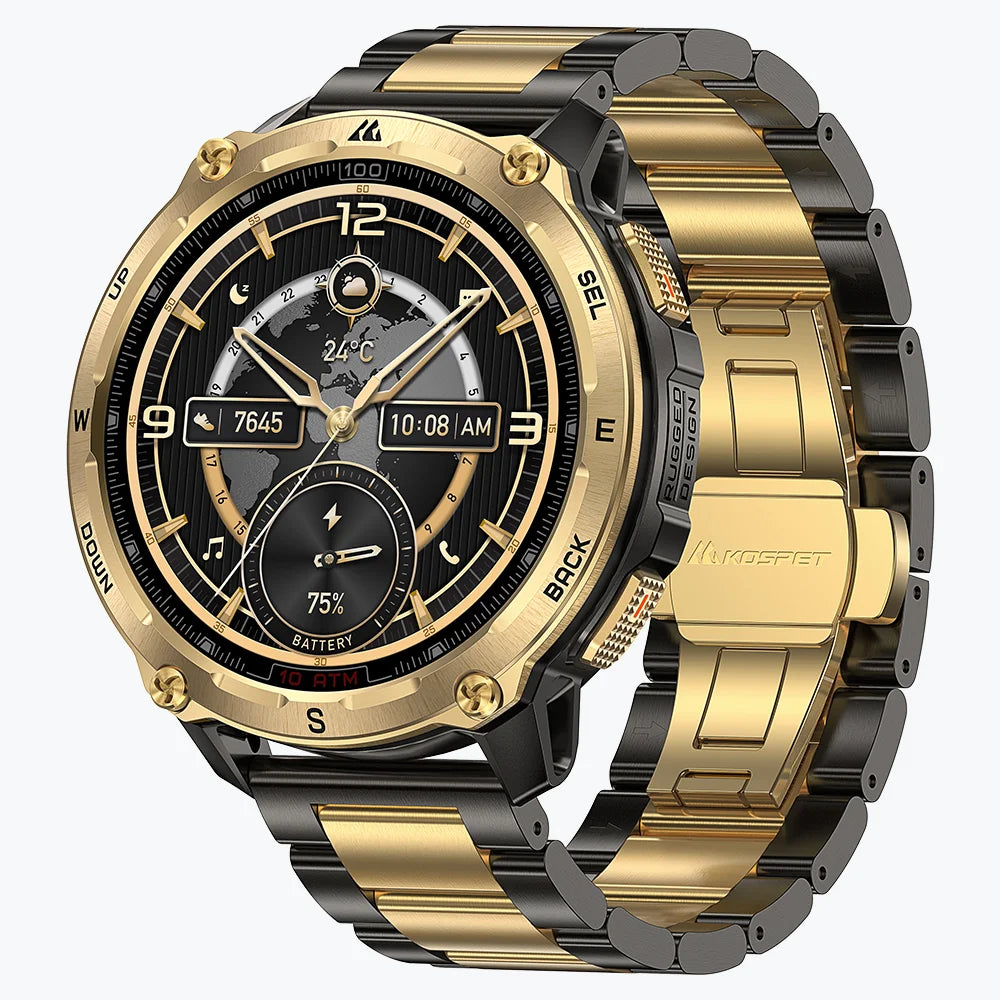
That advice reflects the conditions described by GPS.gov and the sports-watch study comparing urban, forest, and track settings. Choose based on your regular routes, then weigh the watch’s GPS battery life and navigation features against the improvement you hope to see.Once you know what matters on your runs, explore KOSPET outdoor smartwatch to compare GPS features, maps, and battery life across models.
FAQs
Does Dual Band GPS improve distance tracking on a standard 400m track?
It may help when nearby buildings or trees interfere with reception, but an open track is already a relatively favorable place for GPS. If your watch has a dedicated track-running mode, try it and follow its setup instructions. Look at both the lap distances and whether the recorded line follows the oval consistently.
Will my watch default to Dual Band or do I need to enable it?
It depends on the model and activity settings. Before your run, look for a GPS or satellite setting in the watch’s running profile. If there is an automatic mode, check what it does on your particular watch.
Is the GPS in a Dual Band watch better than the GPS in my smartphone?
Not always. Some phones also use more than one satellite frequency, and results depend on the device, the surroundings, and where you carry it. A watch is convenient for viewing pace and recording a run without holding a phone, but the best way to compare tracking accuracy is to record the same route with both devices.